Landscaping Project Photography Shoot List
Marketing Landscaping Project Photography Shoot List
Landscaping Project Photography Shoot List for Marketing
The goal is to capture 100 usable marketing photos and ample video clips (including drone and phone reels) to effectively showcase a large landscaping project on websites and social media platforms such as Facebook, Instagram, and YouTube Shorts.
I. General Approach & Preparation
Comprehensive Coverage: Capture the entire scope of the project, focusing on both overall views and intricate details.
Variety is Key: Utilize diverse angles, heights, lenses, and camera movements to create a dynamic visual experience.
Marketing Focus: Every shot should be considered for its potential to market the landscaper's products and services.
Adaptability: These guidelines serve as a starting point; use your judgment to adapt to the project's unique features and site conditions.
Equipment Checklist:
Wide-angle lens (10-18mm equivalent)
Telephoto lens (70-200mm equivalent)
HDR-capable camera
Sturdy tripod
Drone with gimbal
Cell phone for vertical video
Extra batteries and memory cards
Lens cleaning supplies
II. Still Photography (Goal: 100 Usable Photos)
A. Wide-Angle Lens - HDR Bracketing (Real Estate Style)
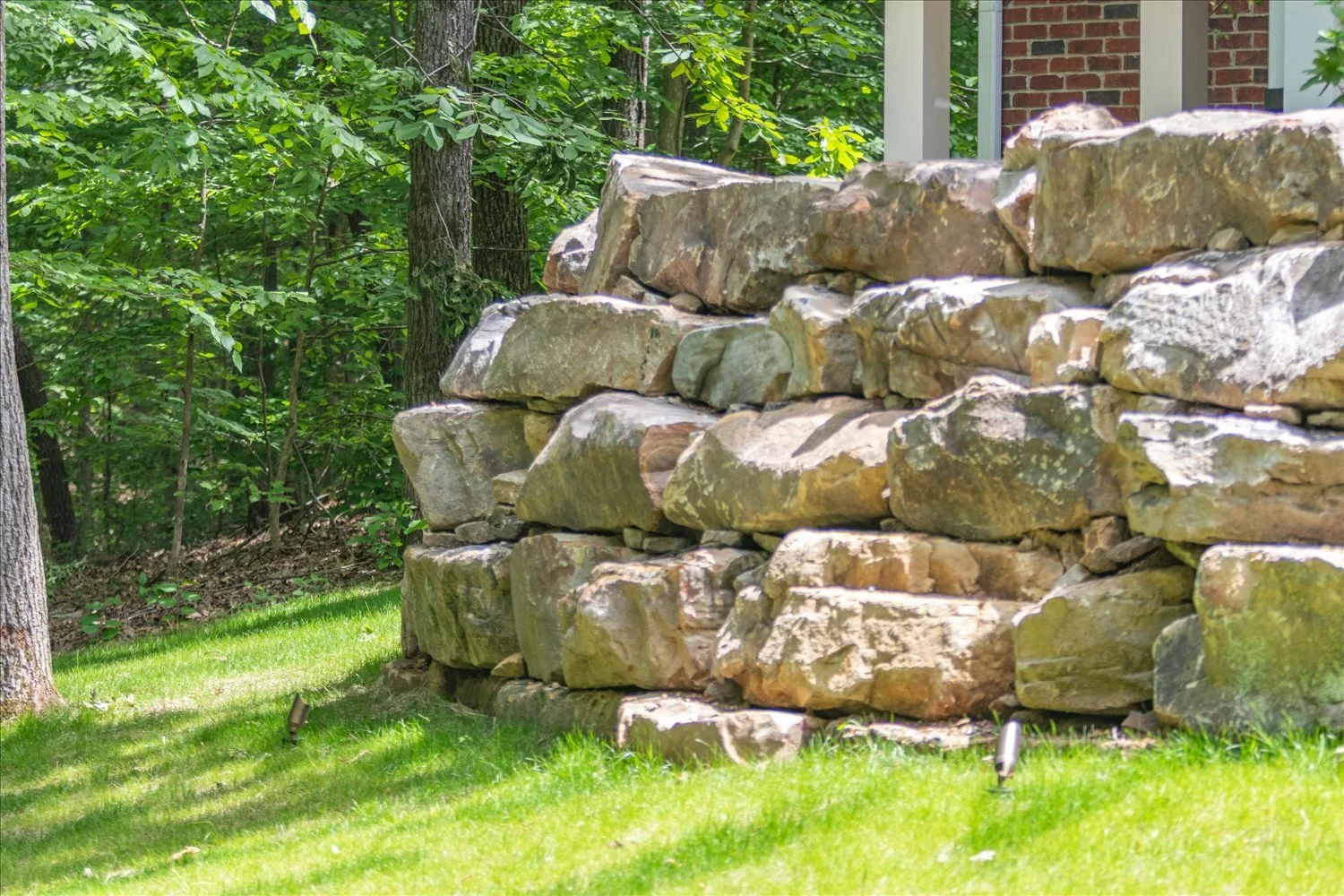
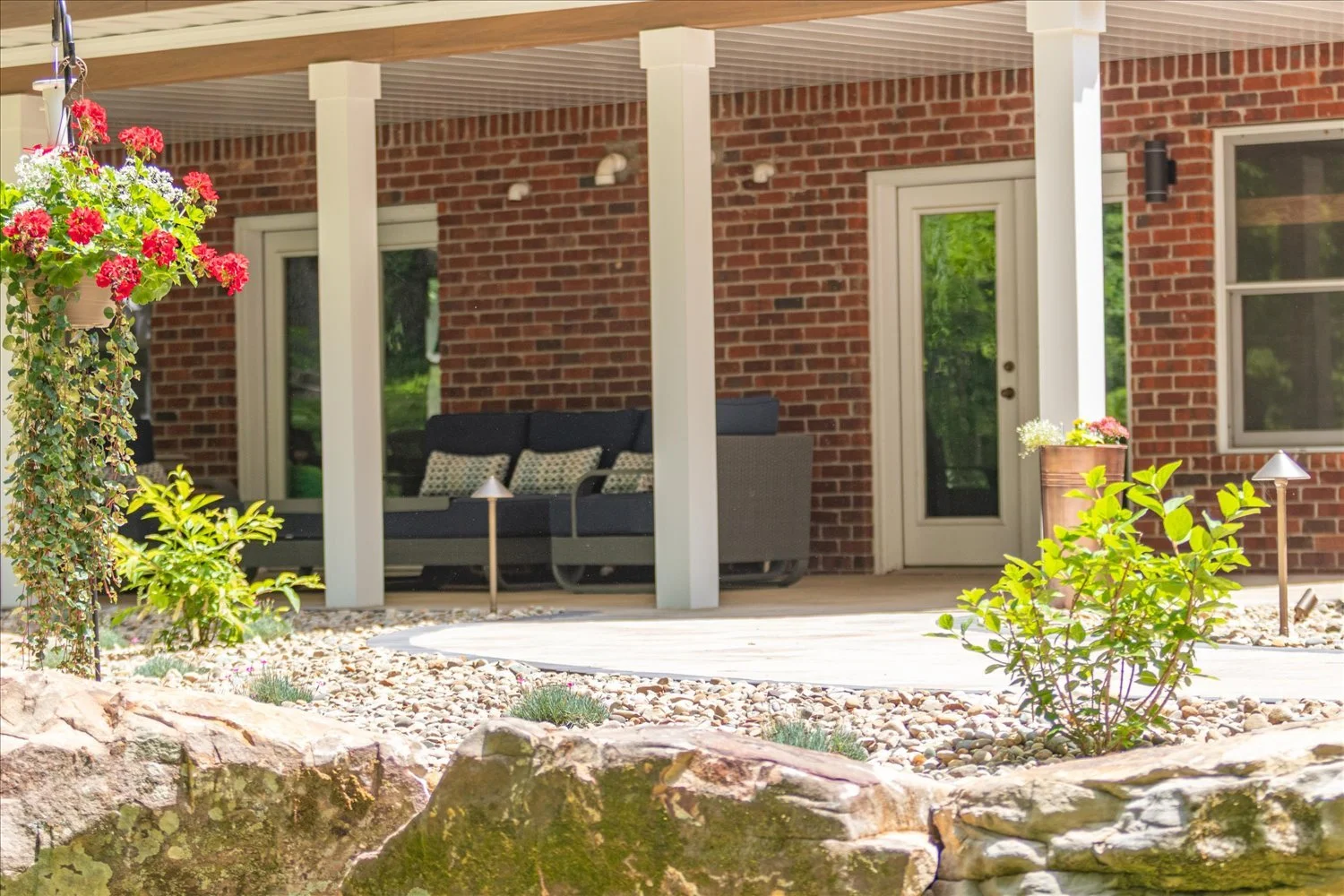
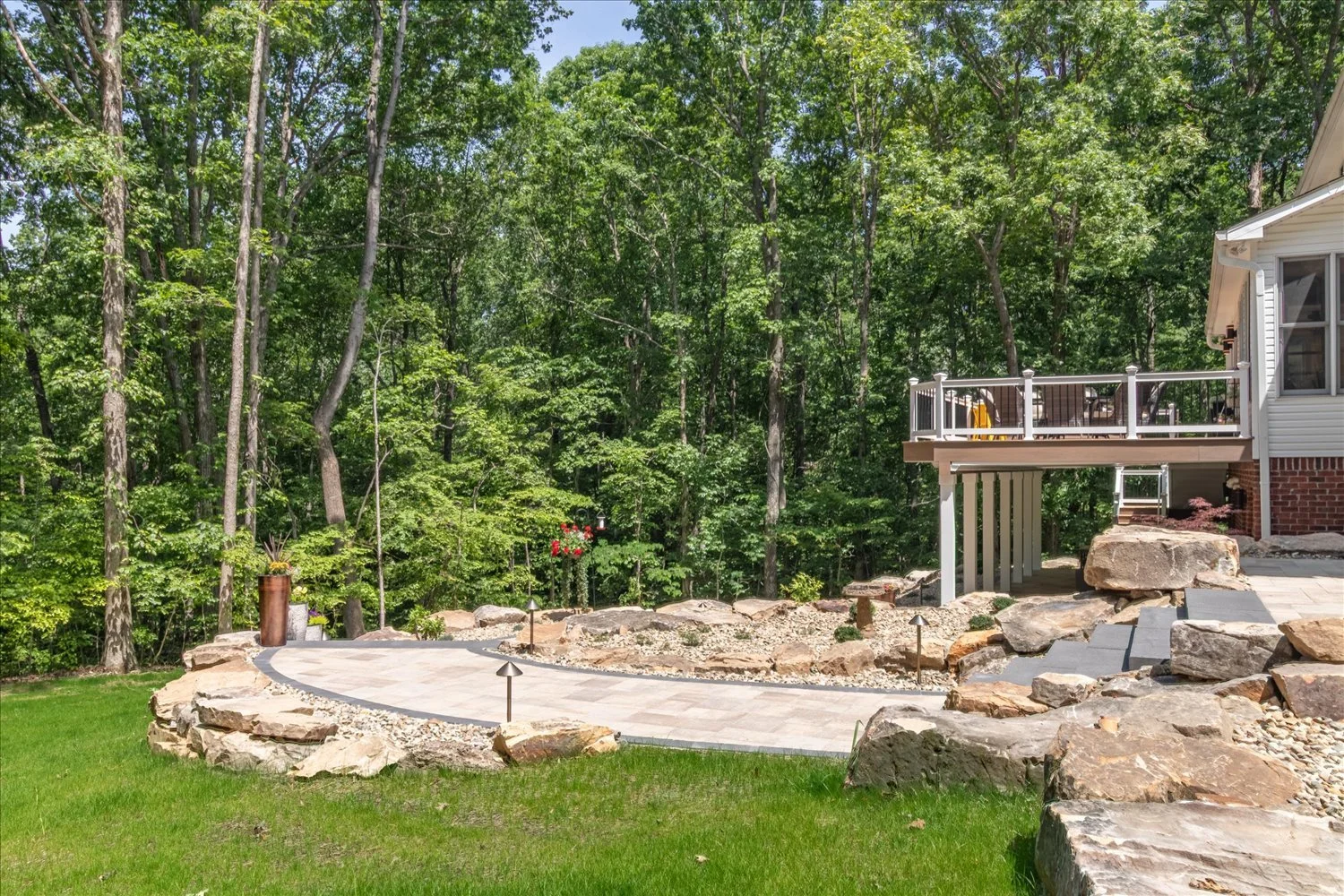
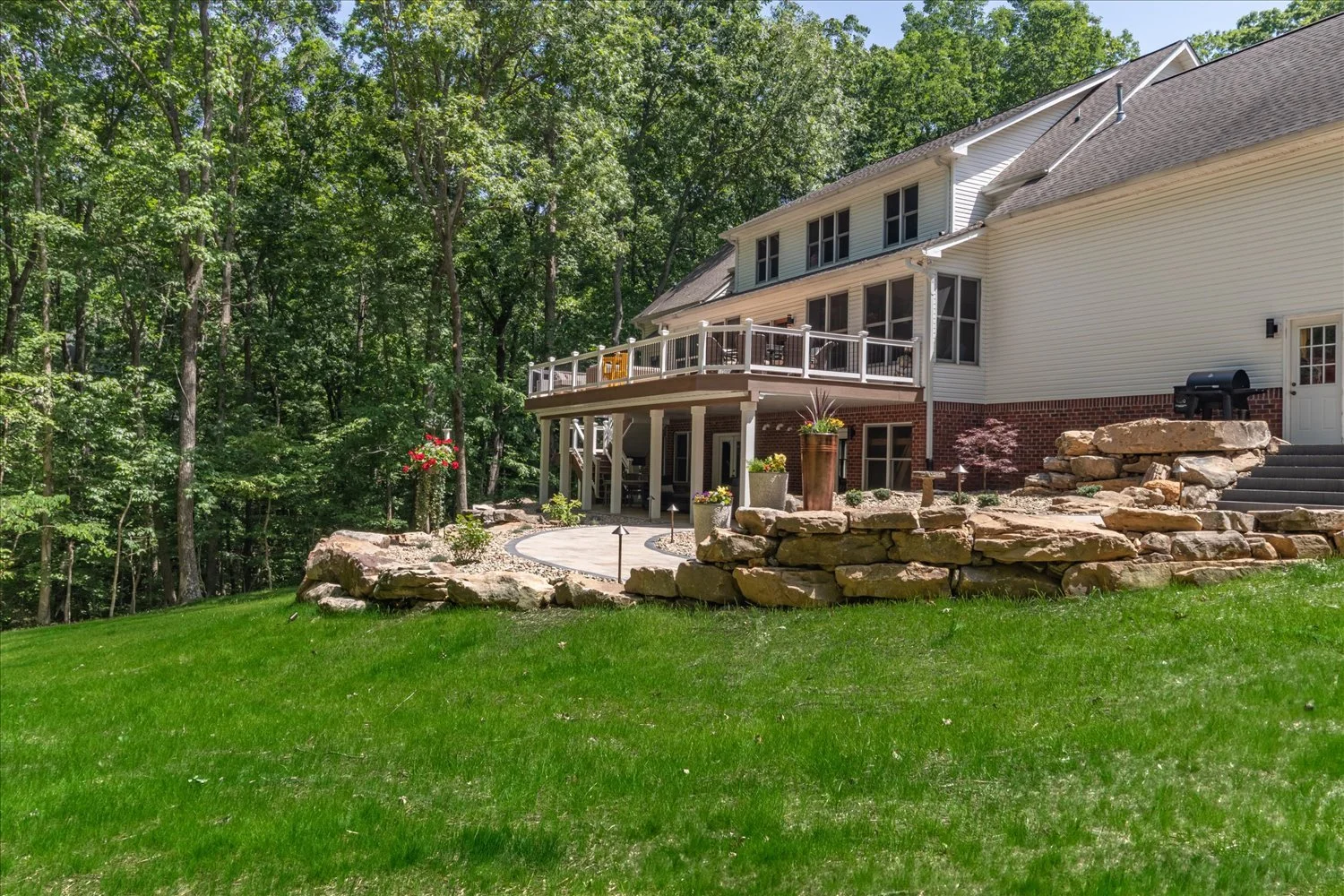
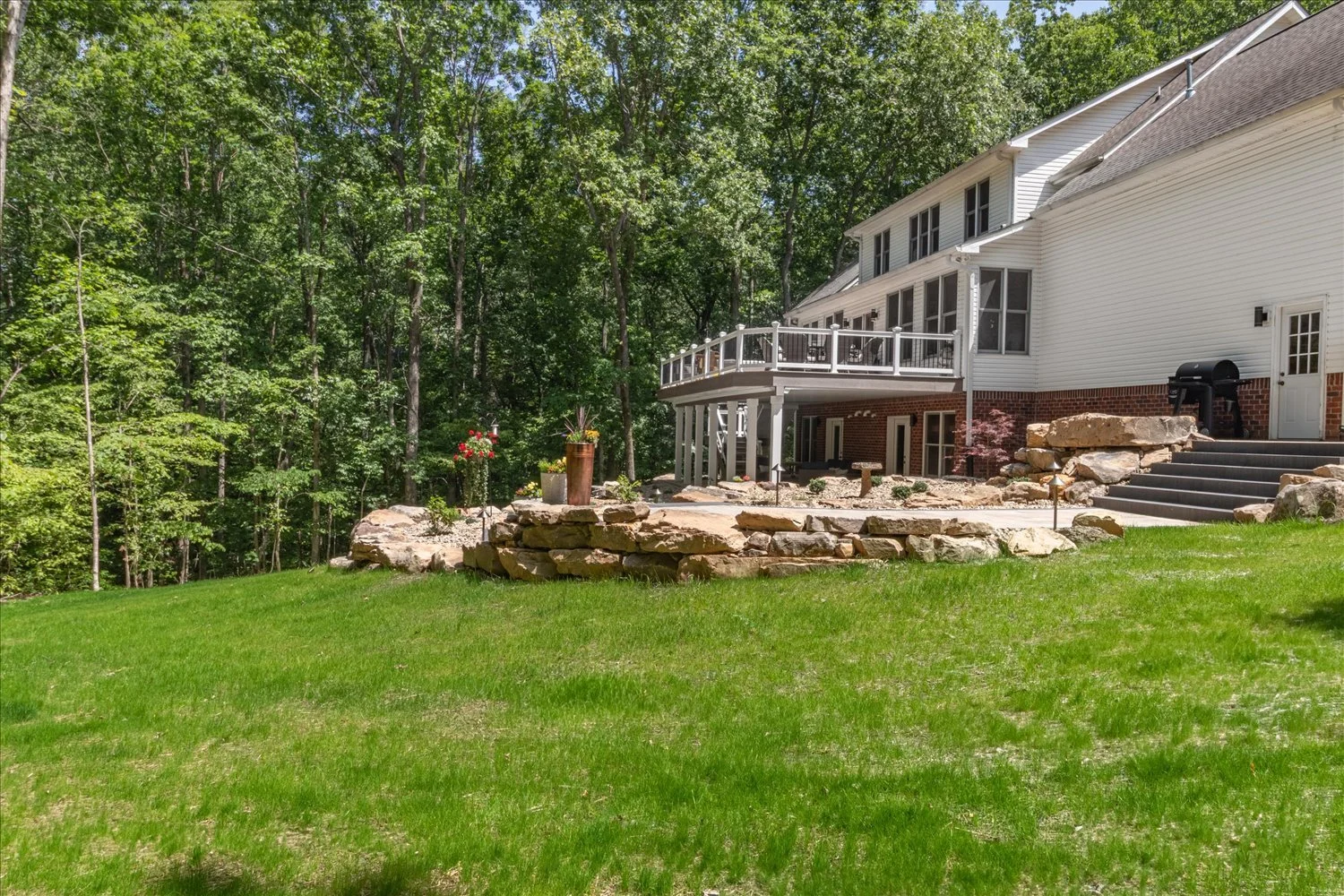
Lens: Wide-angle (e.g., 10mm-18mm or equivalent).
Camera Settings:
Aperture: f/8 to f/11 (for maximum depth of field).
Exposure: 3-shot bracketed HDR (Raw files).
Technique:
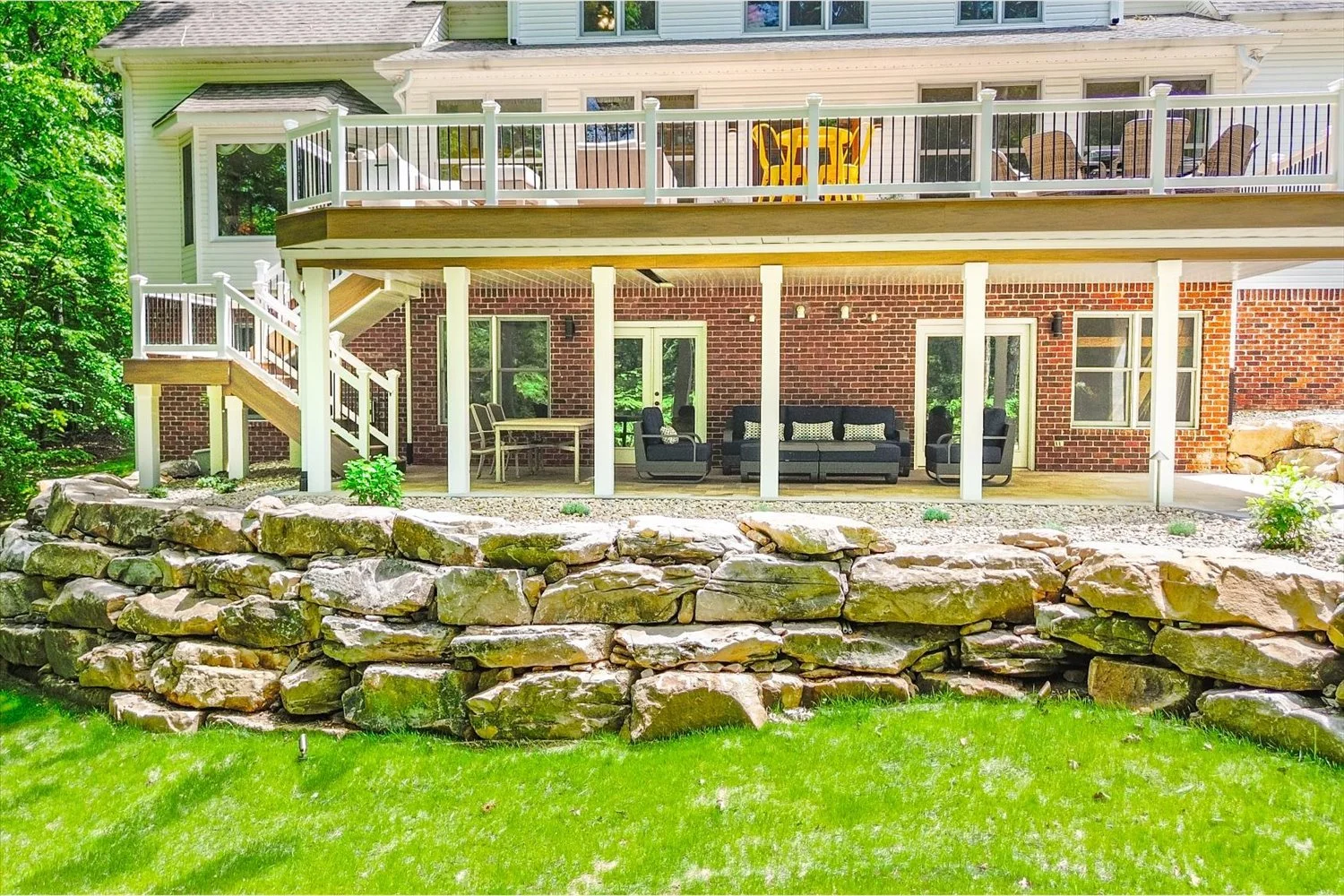
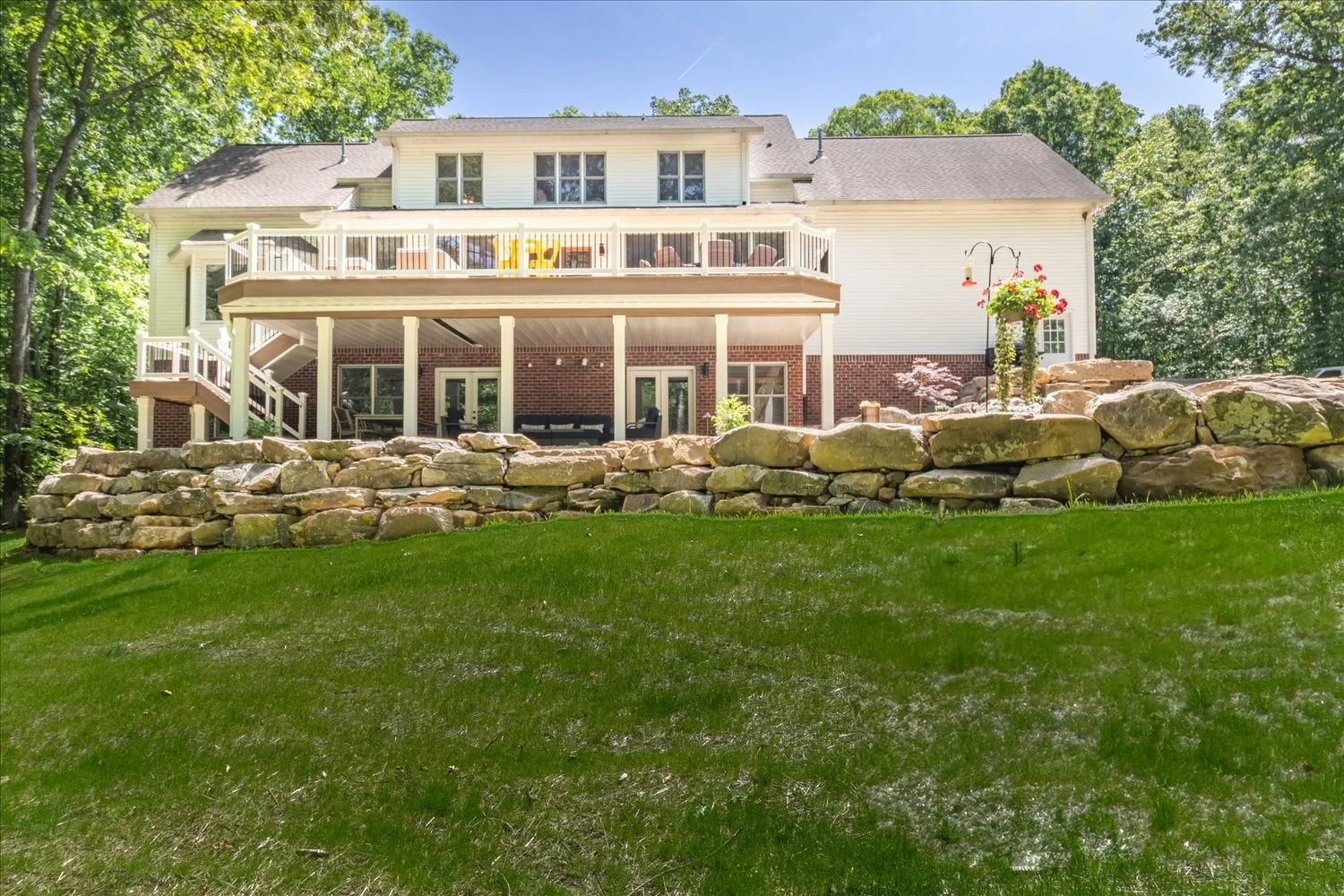
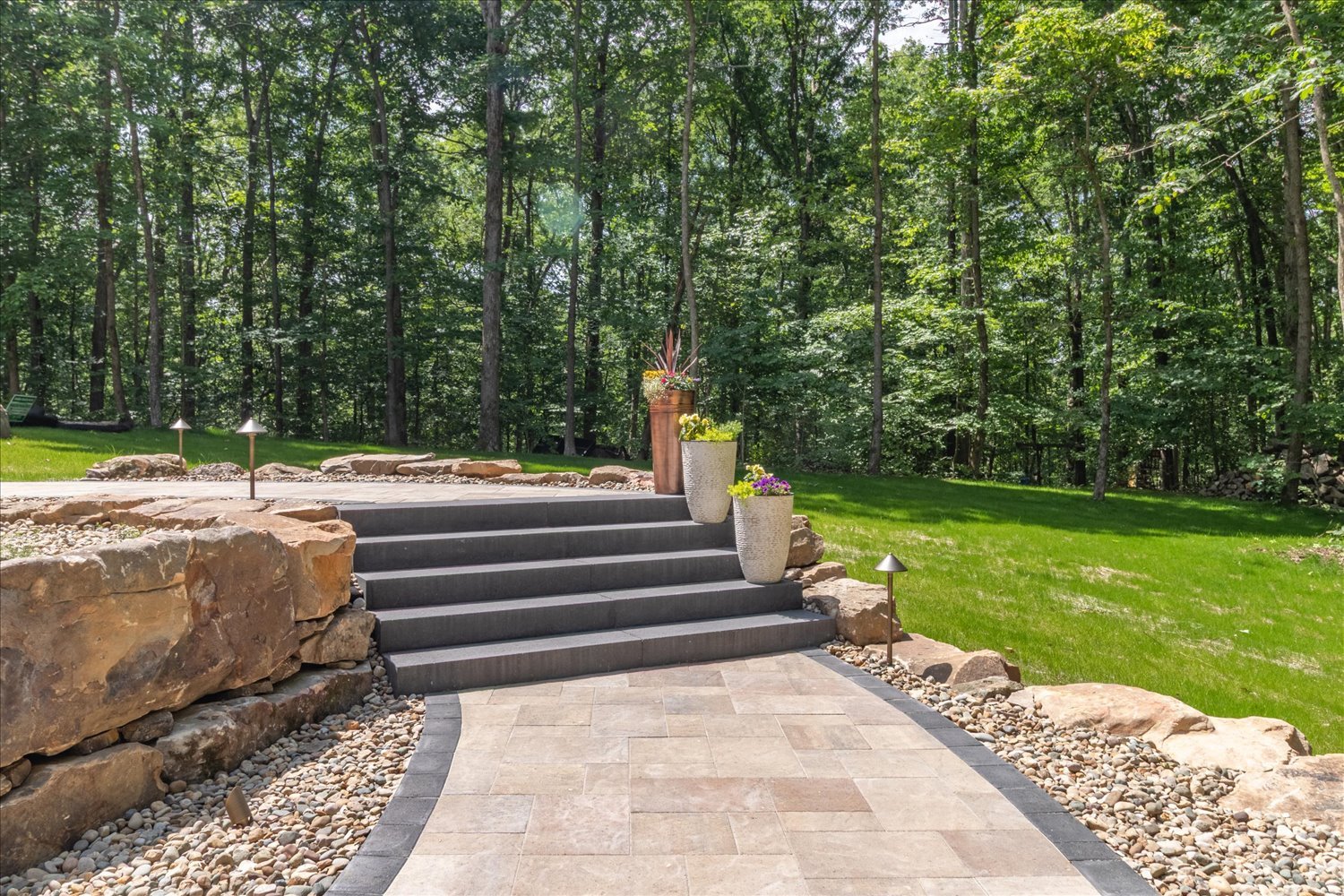
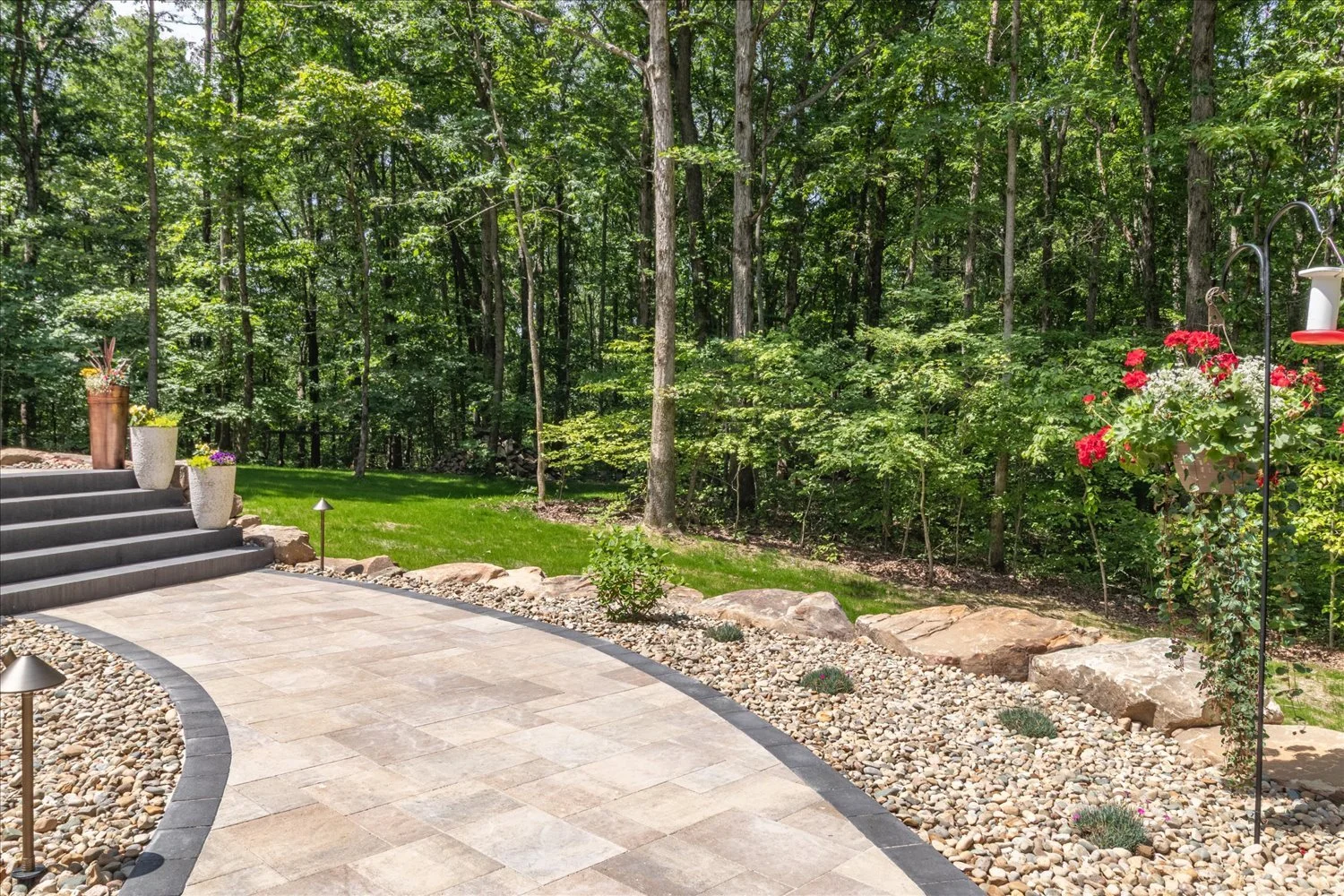
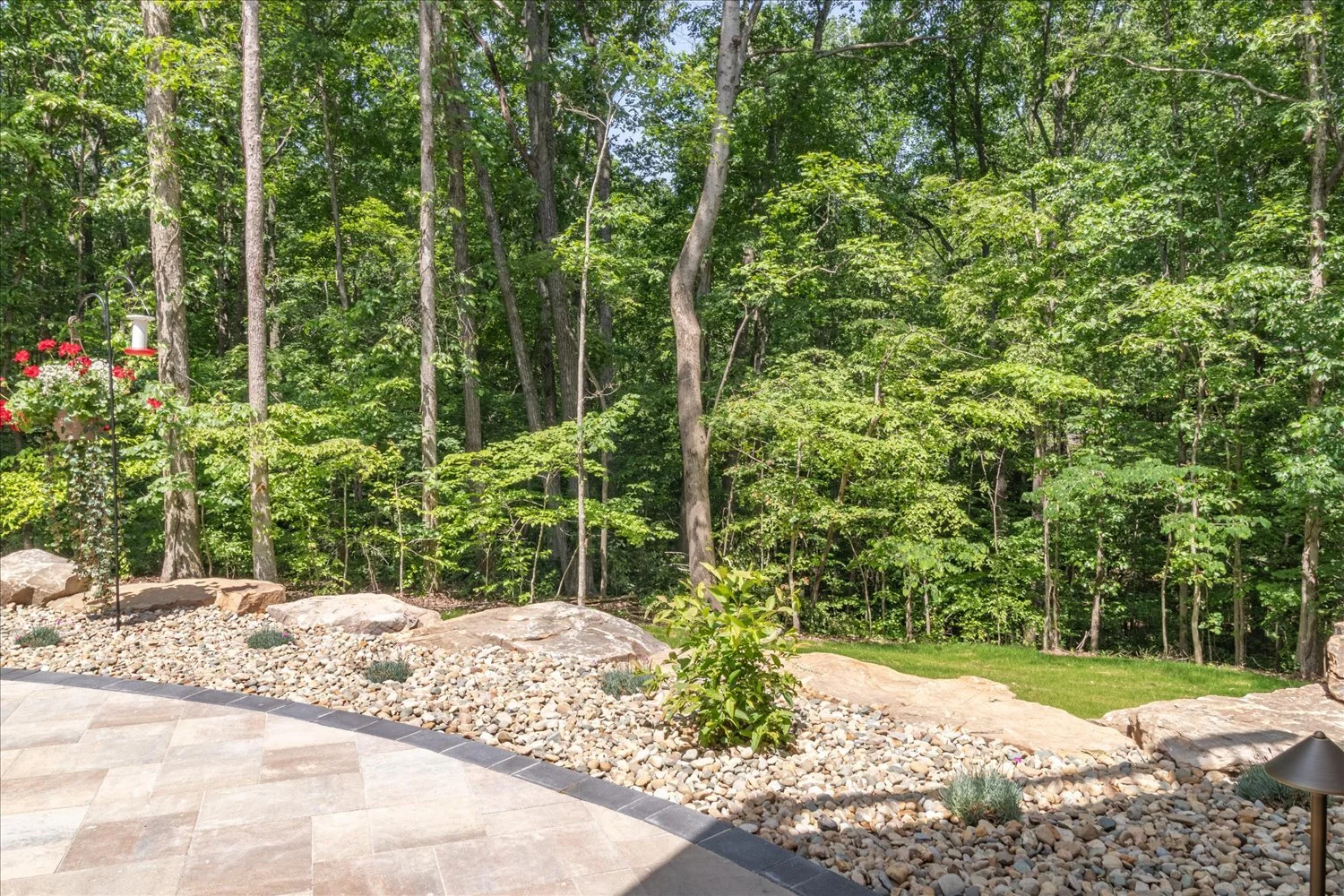
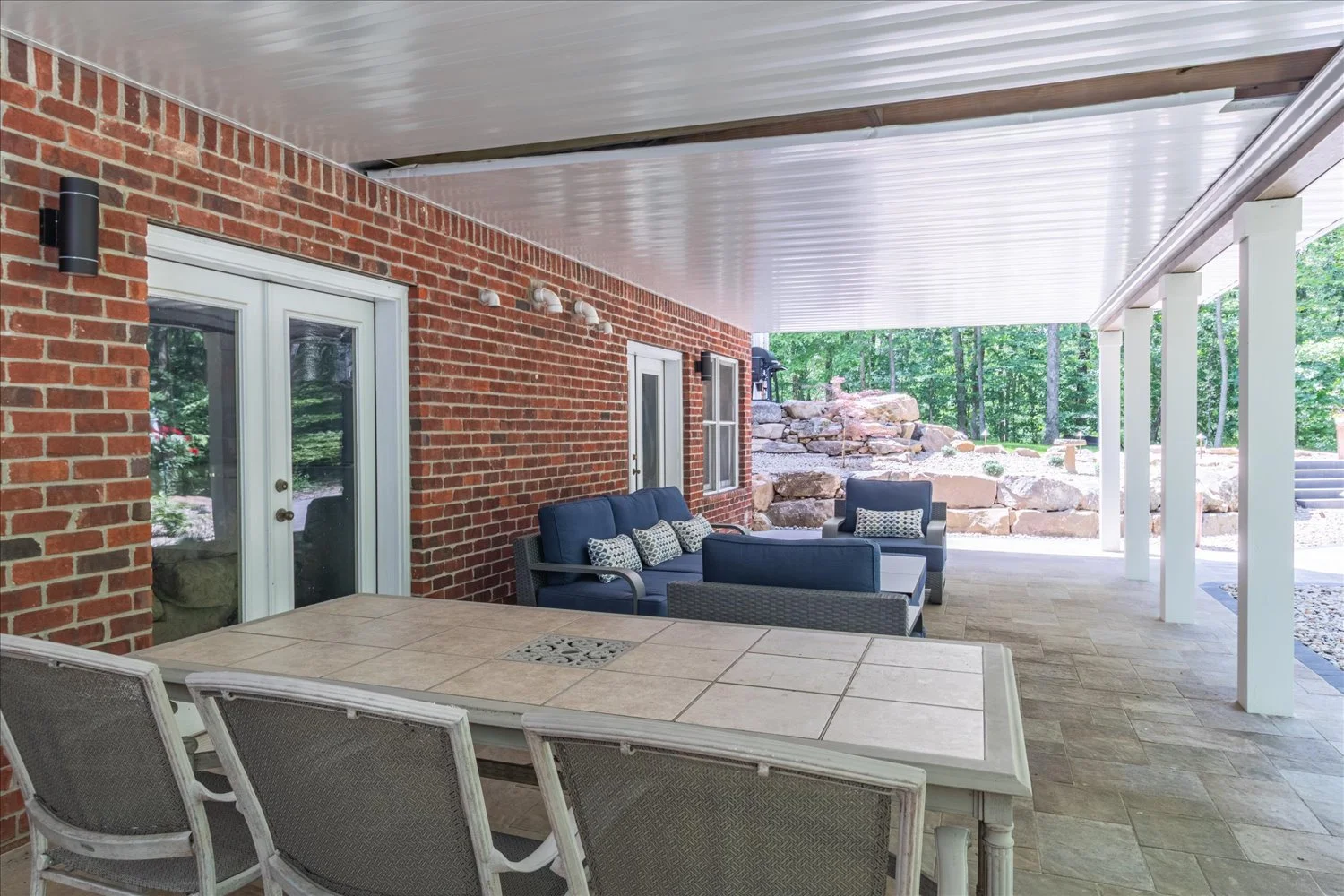
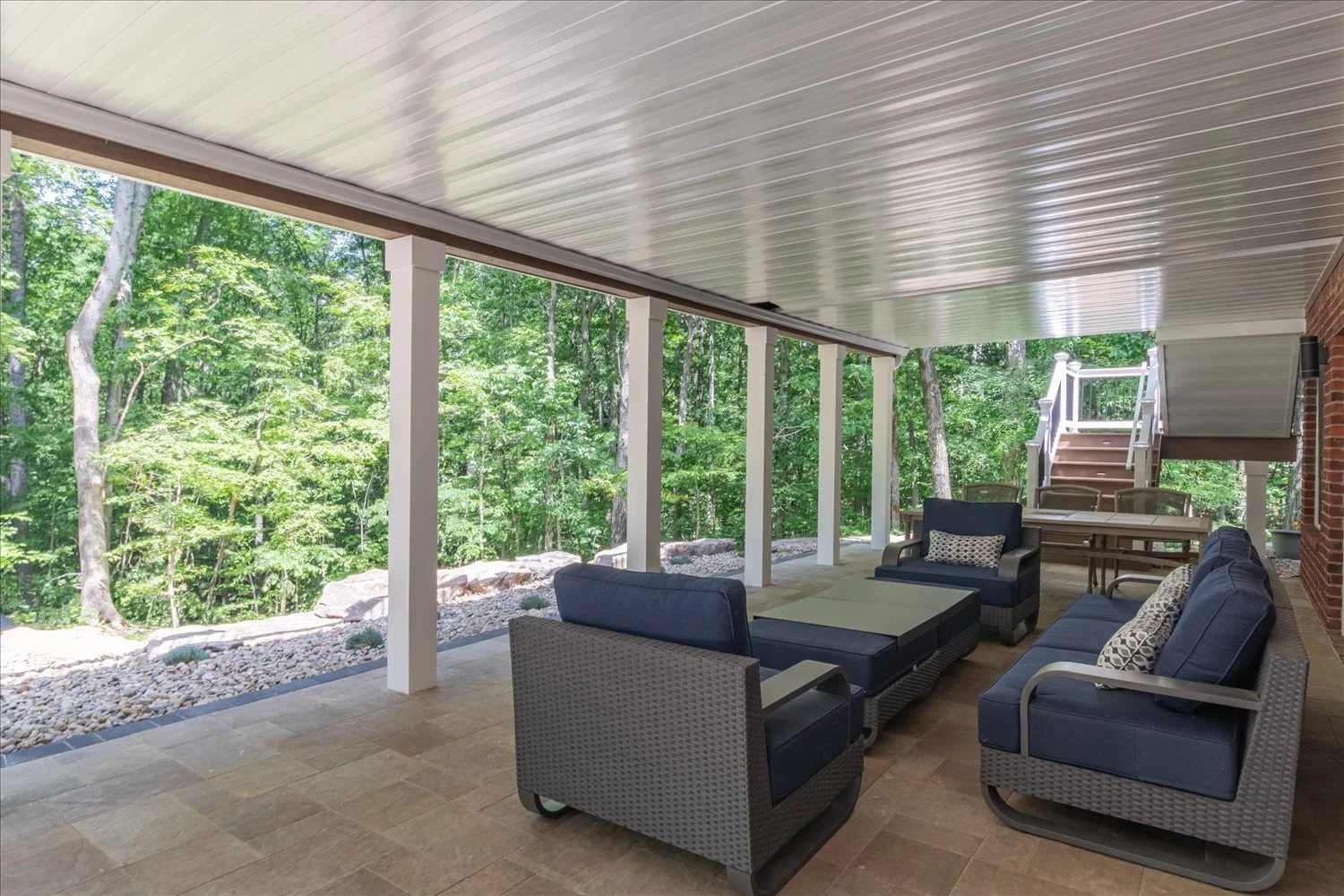
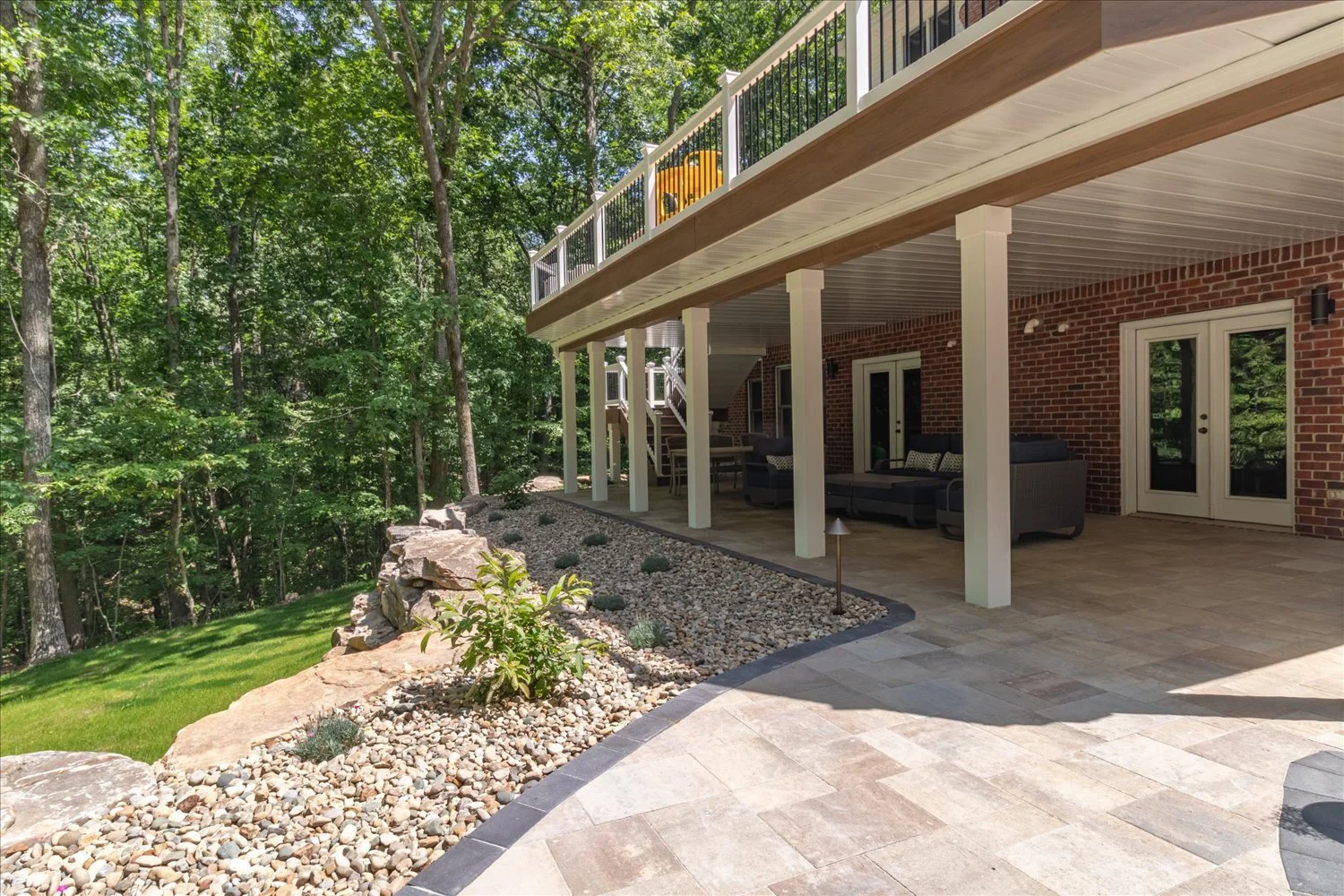
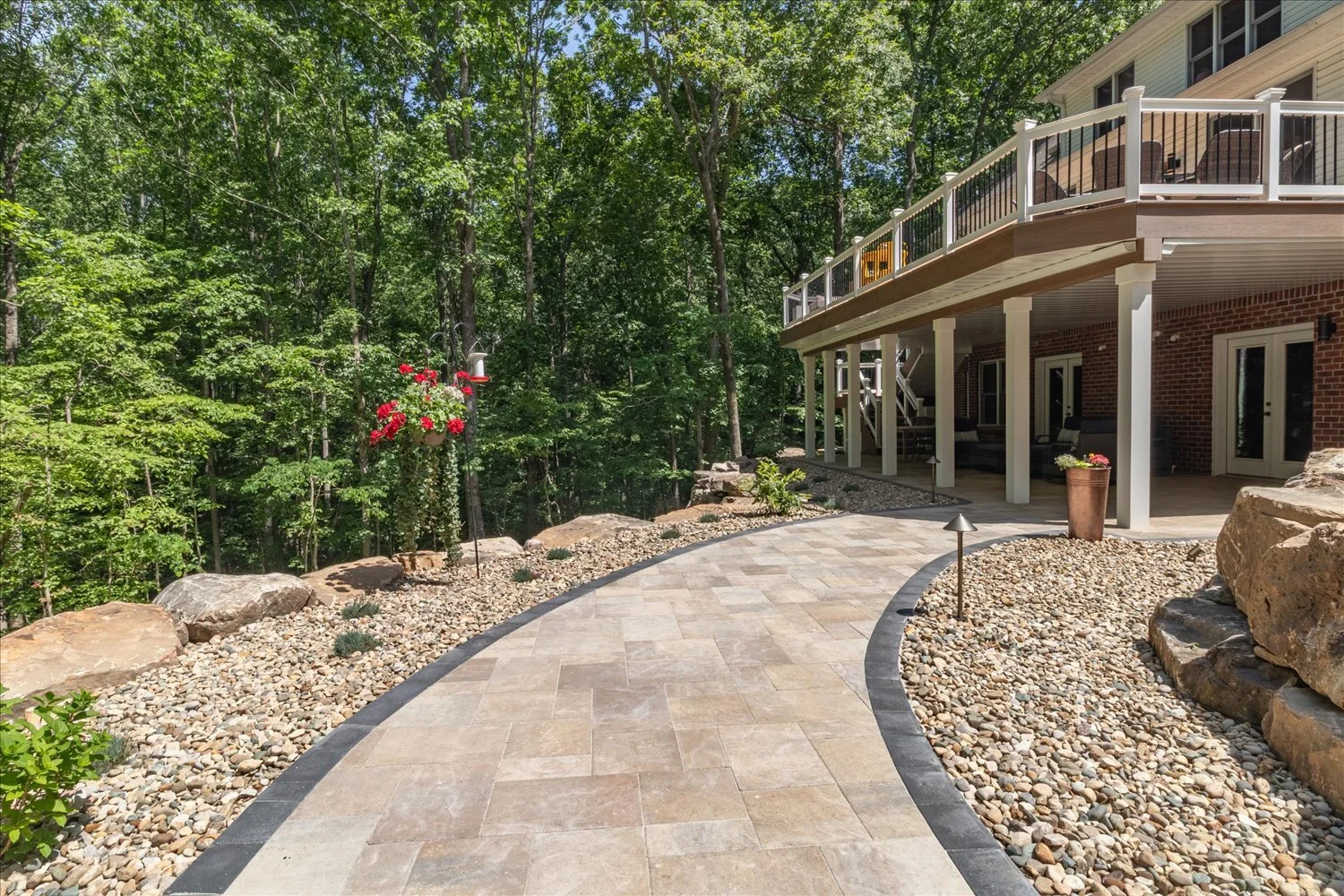
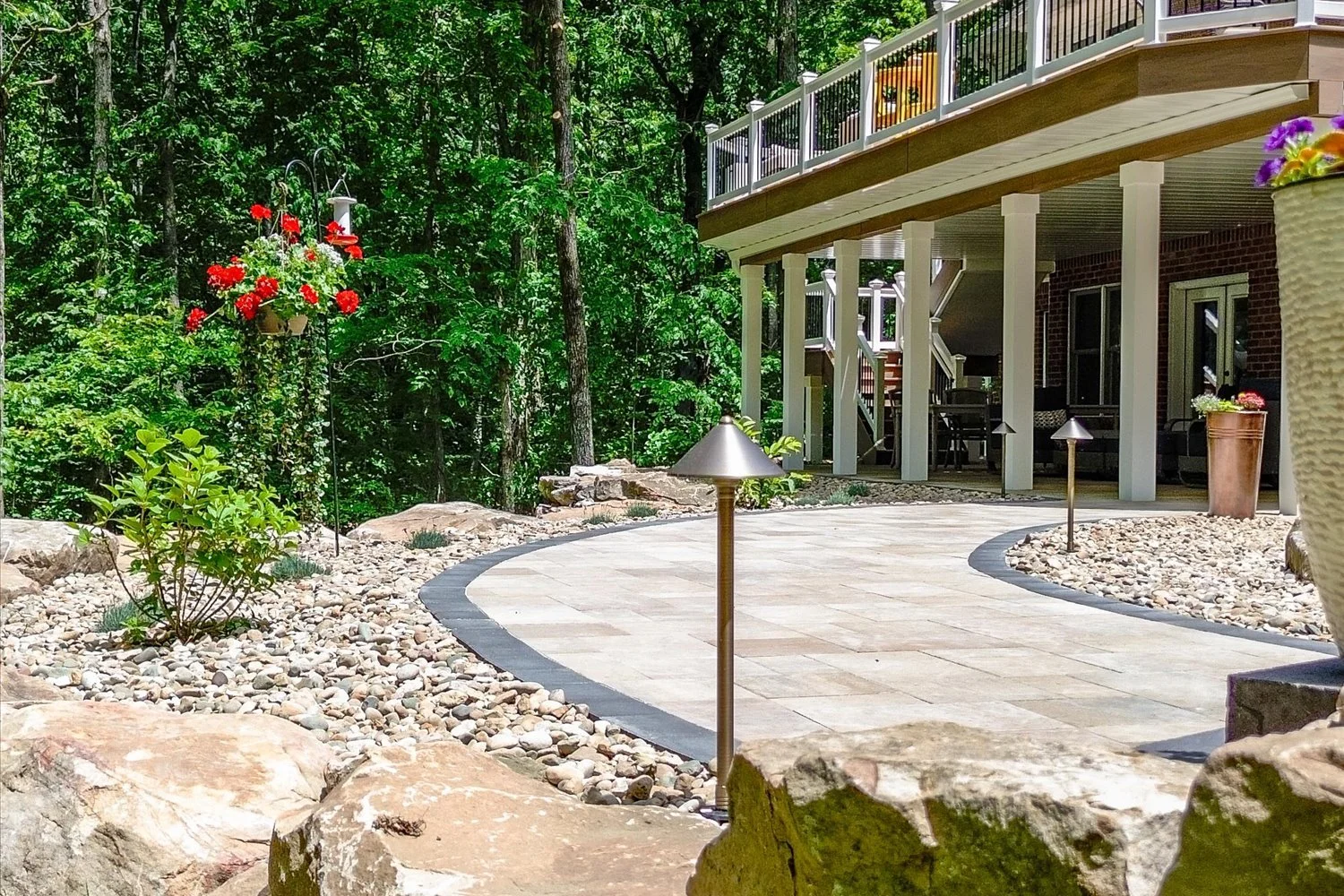
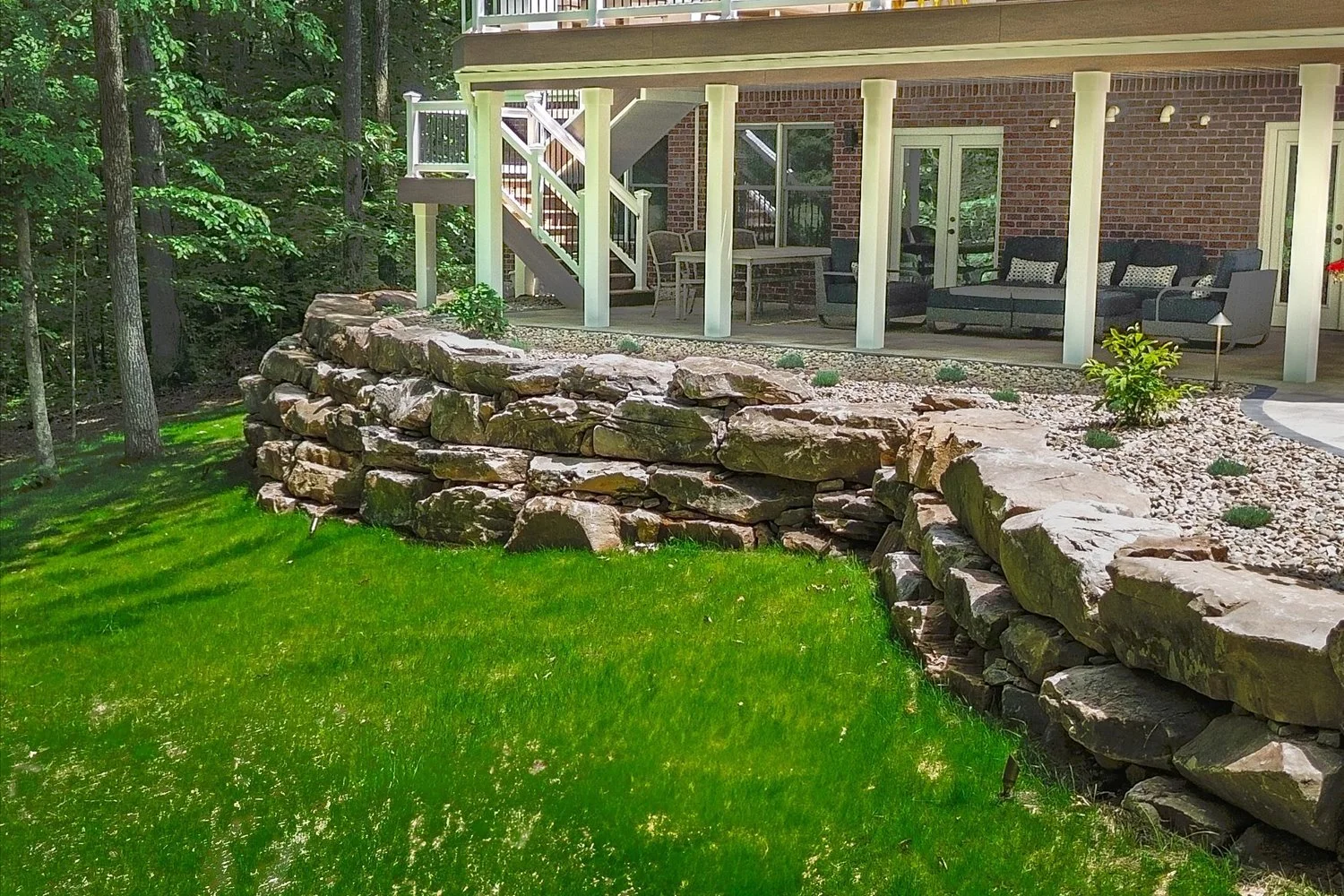
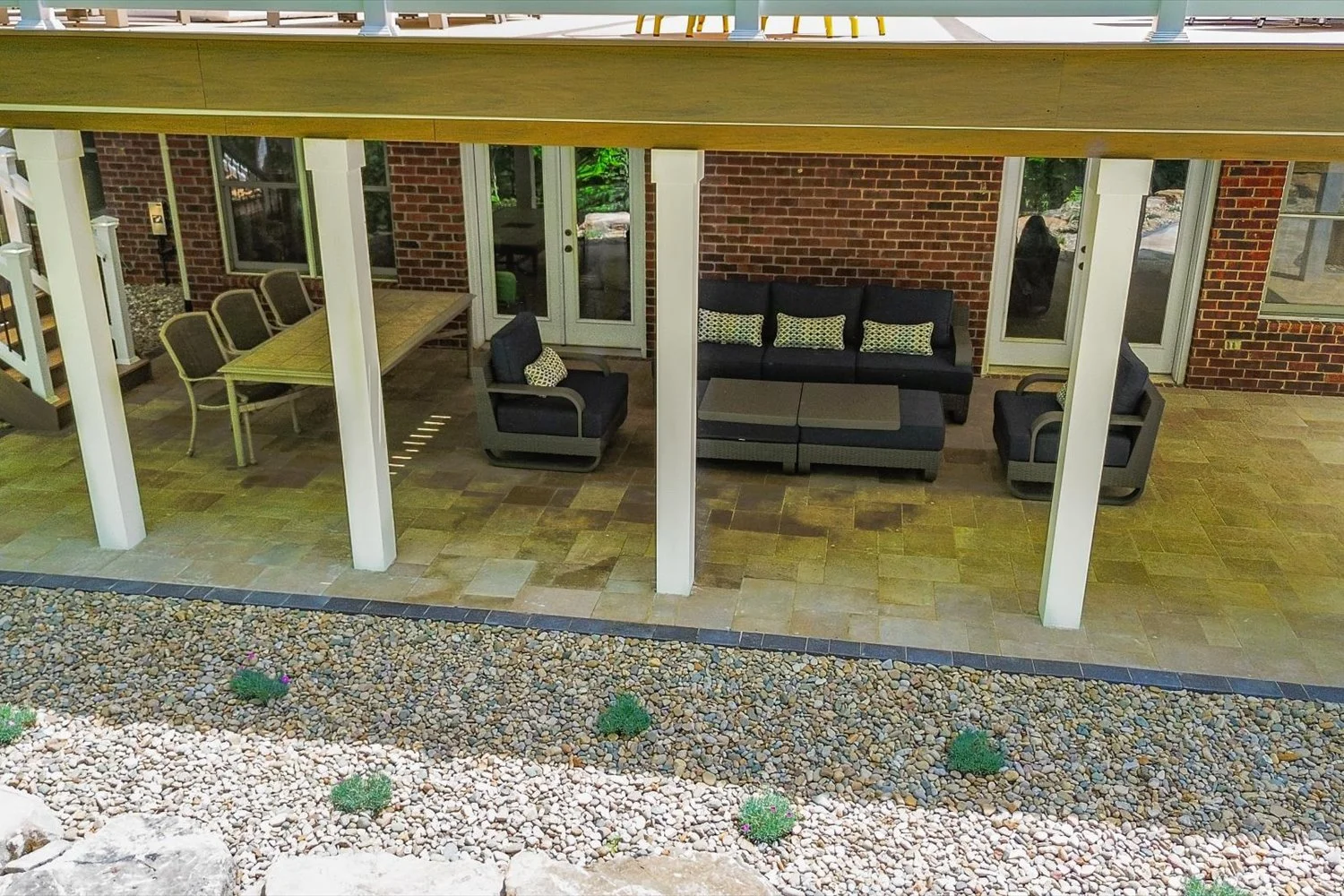
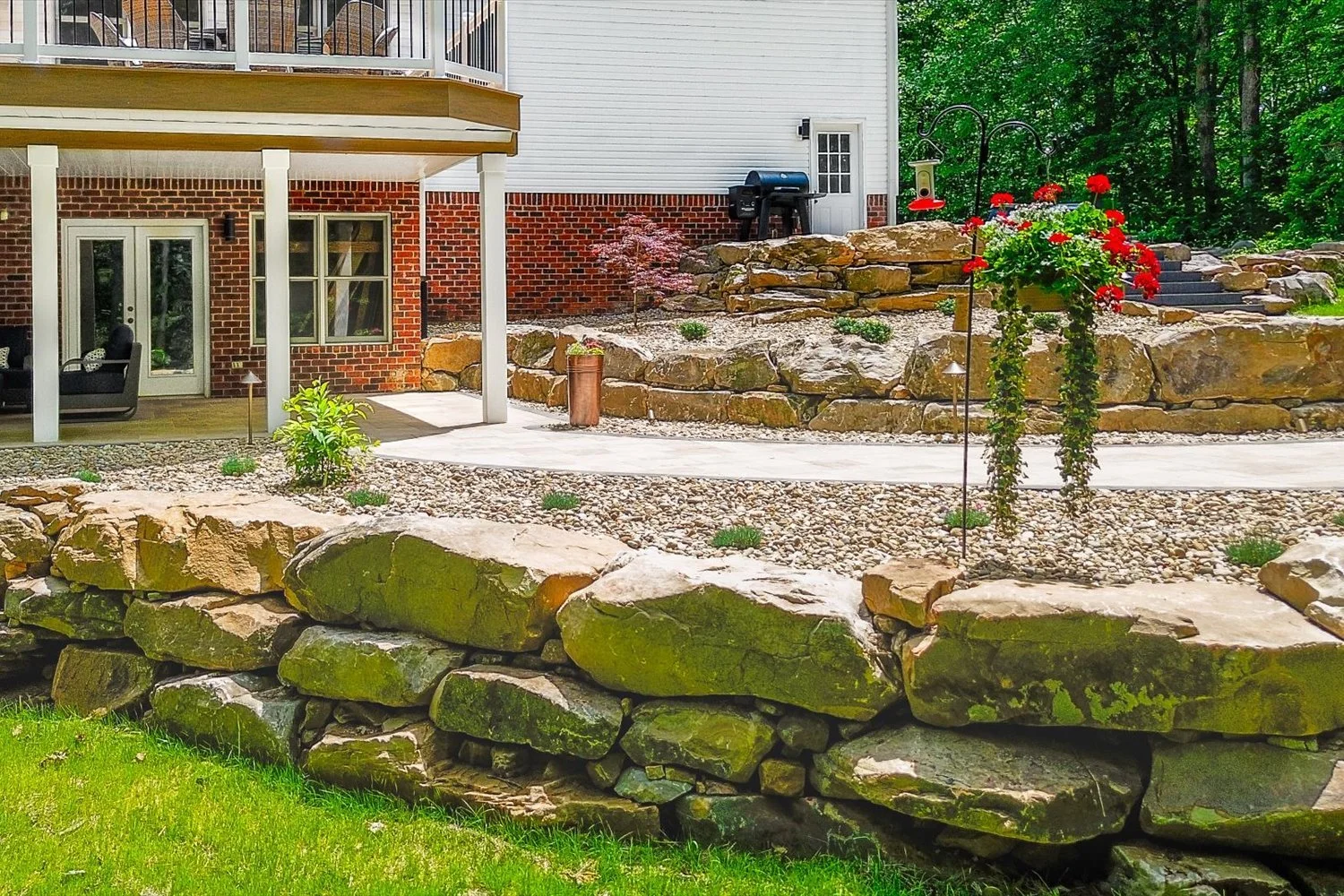
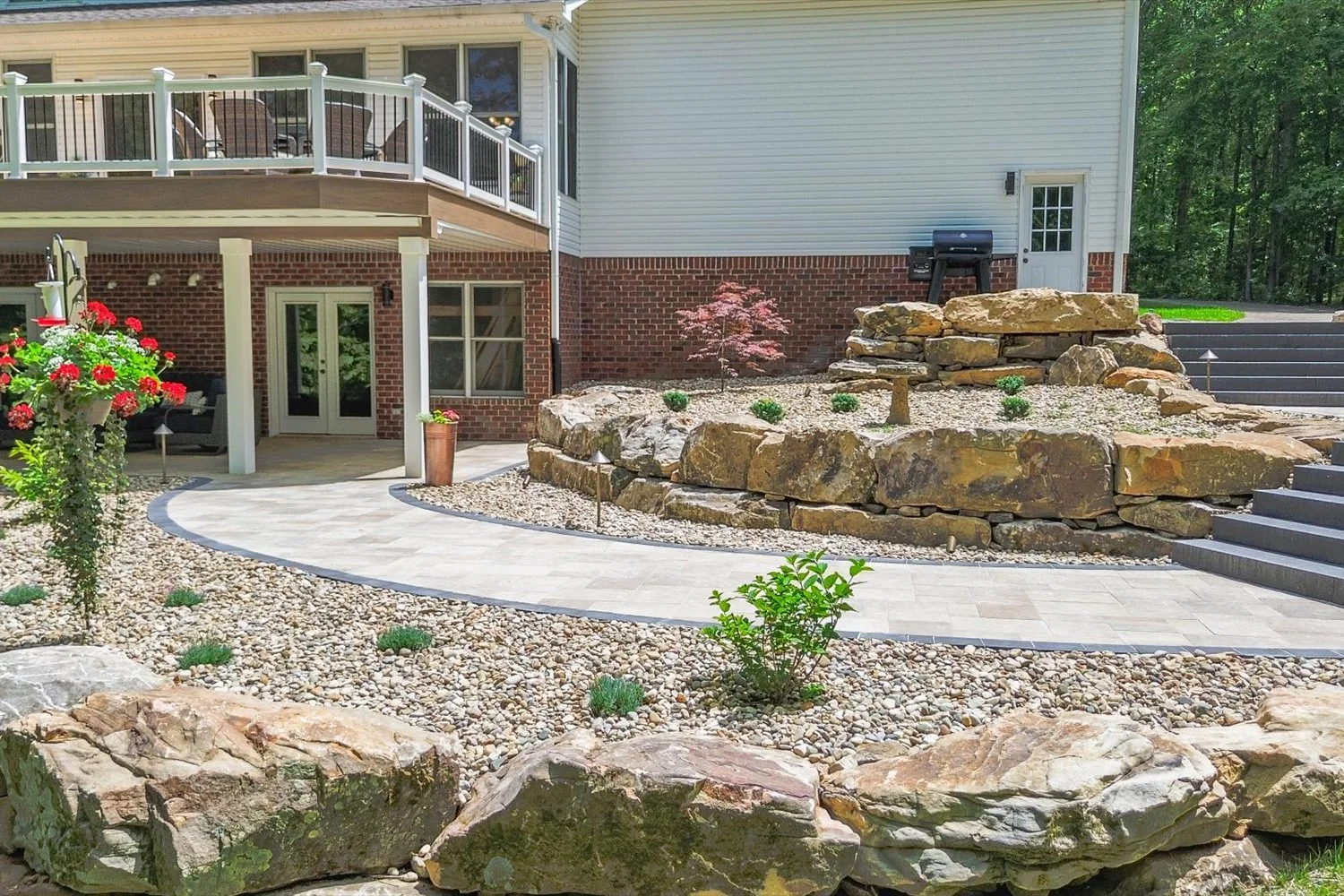
First Pass (Eye Level): Conduct a comprehensive walkthrough, shooting from eye level to capture a wide range of angles and viewpoints. Focus on the overall project scope.
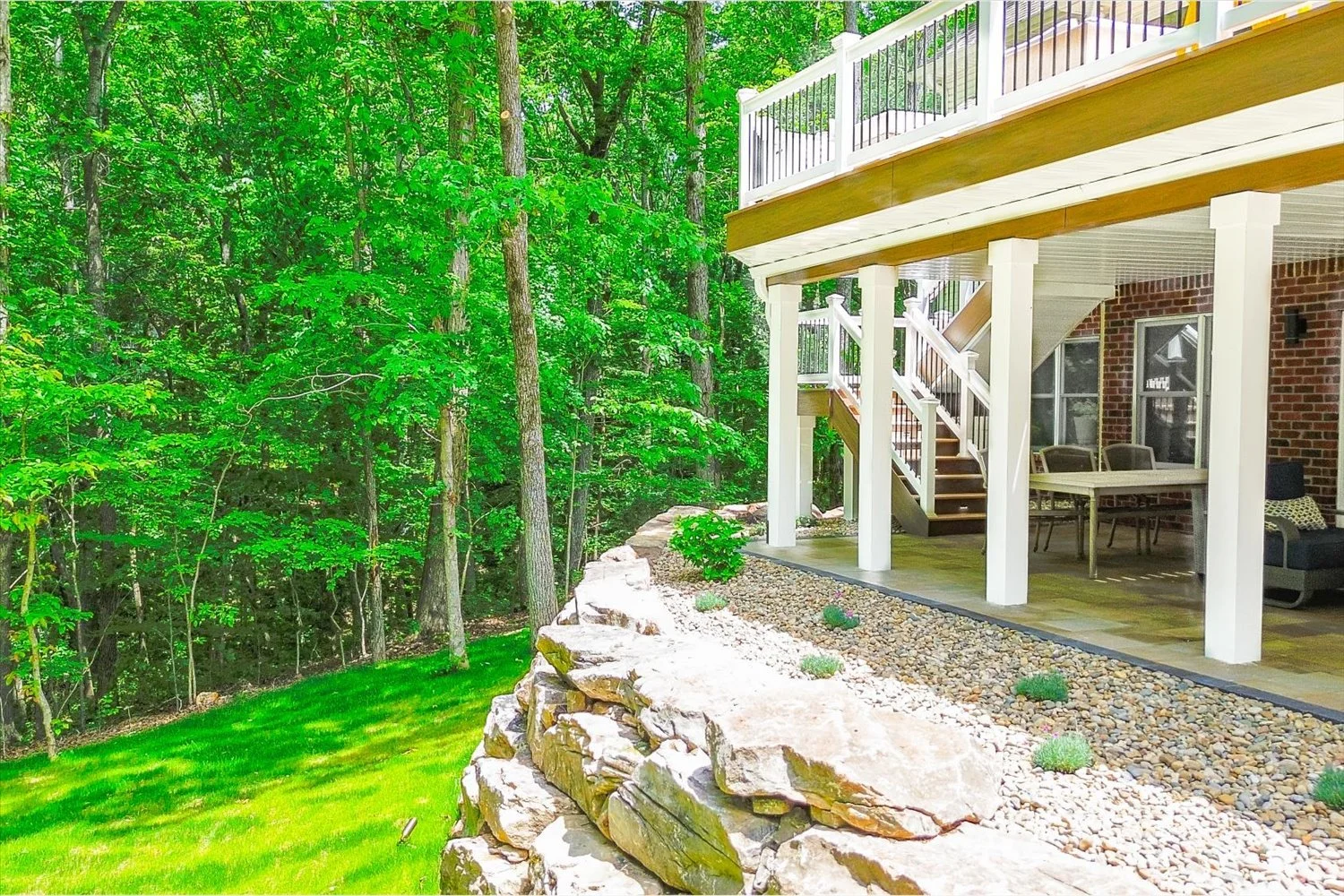
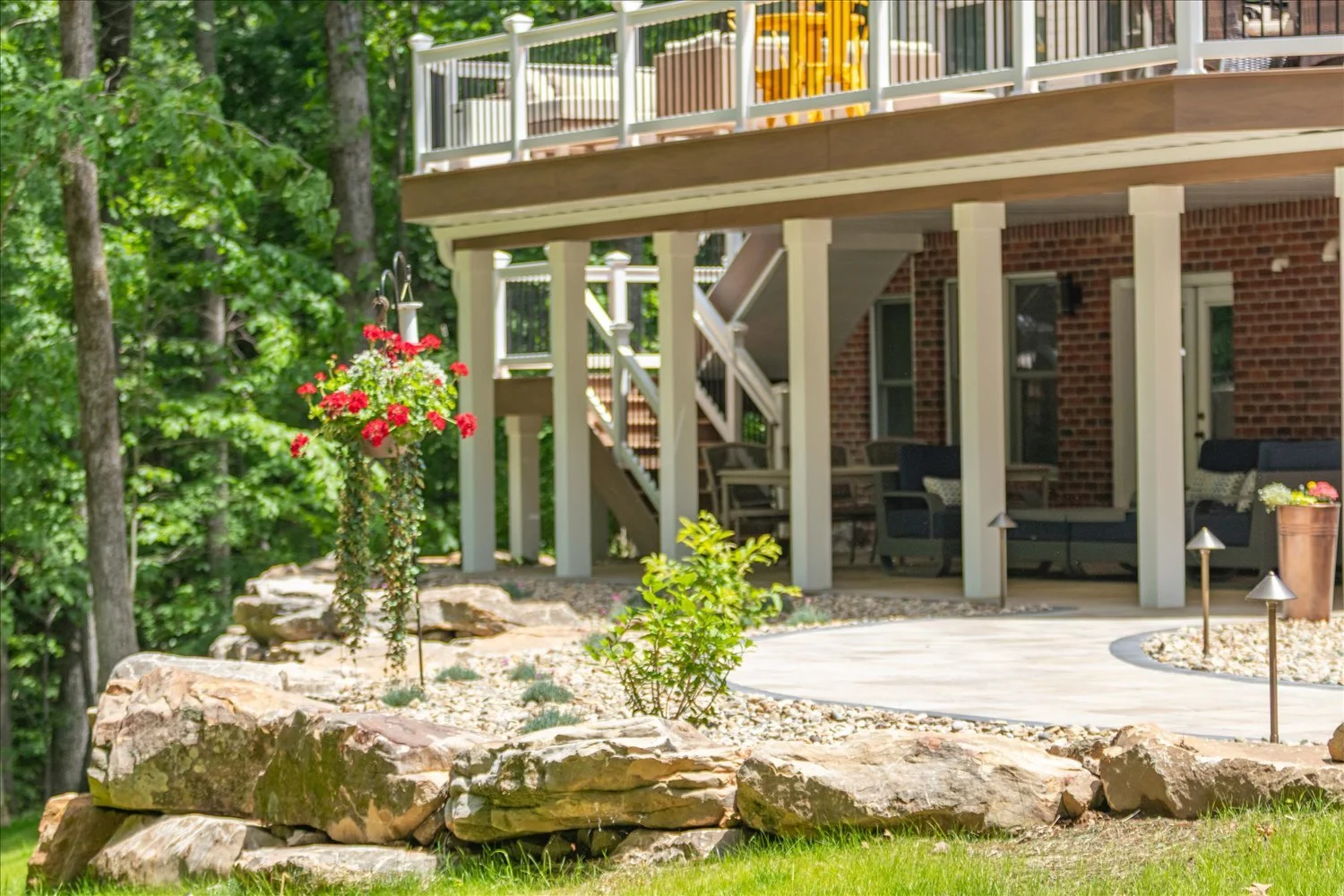
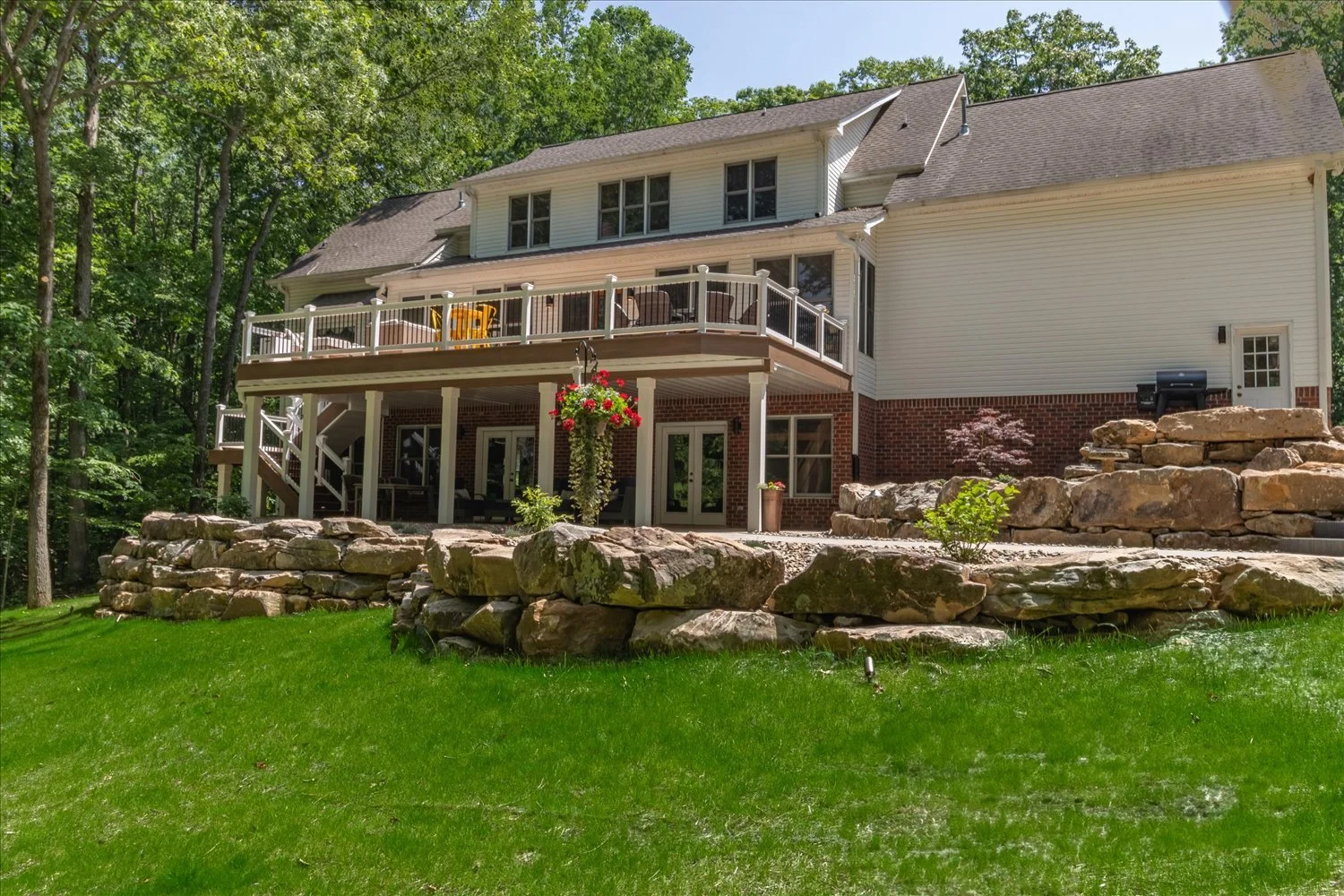
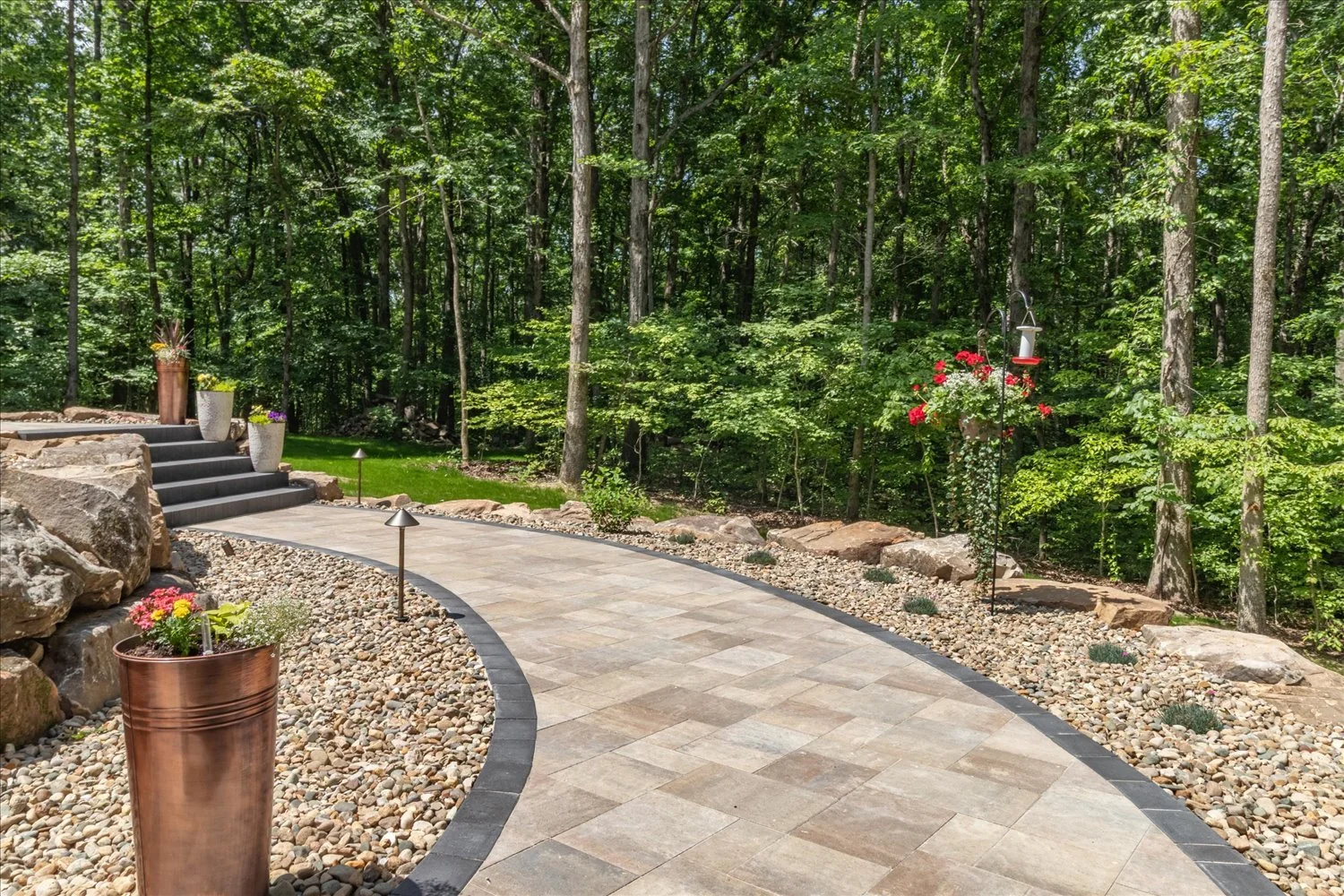
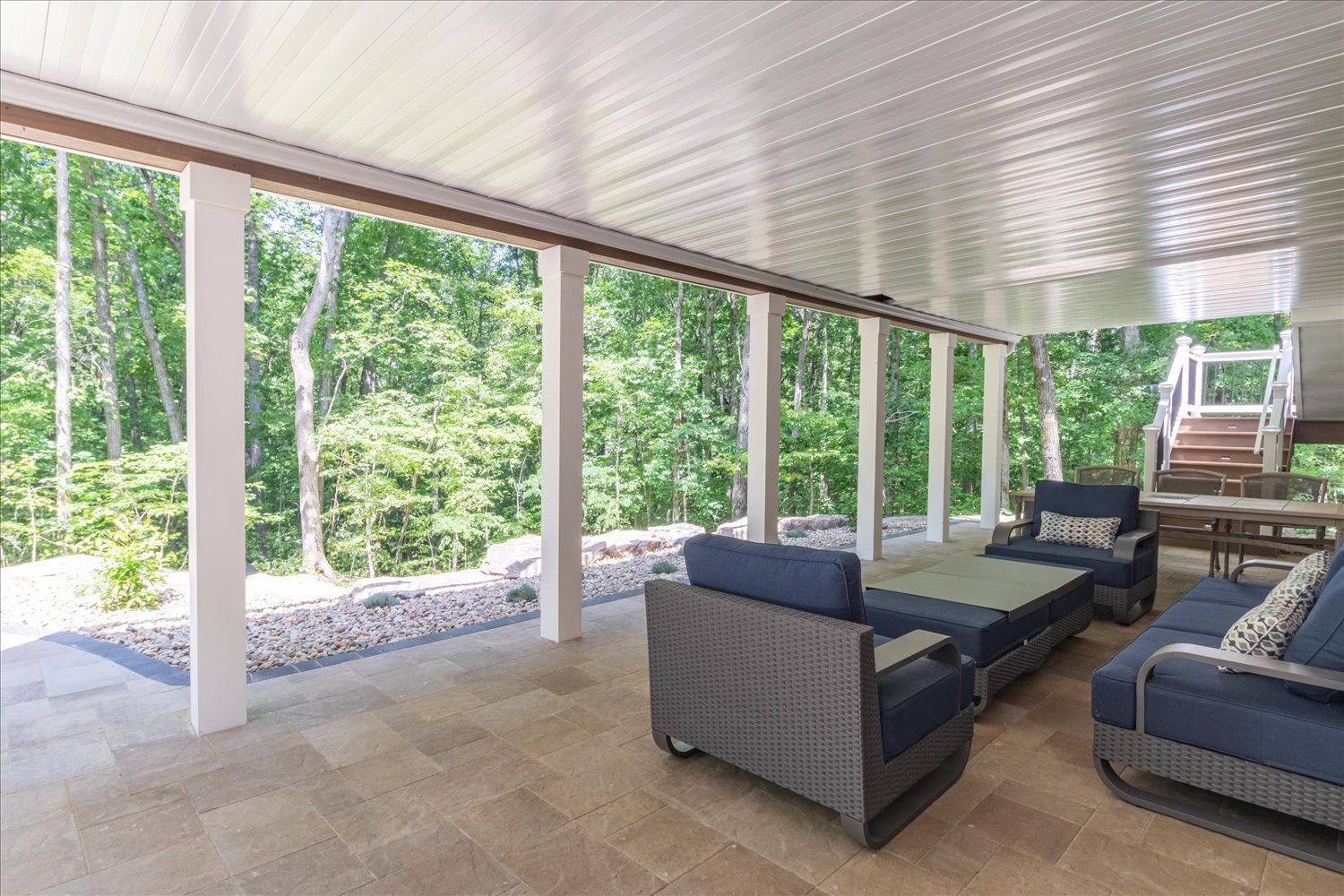
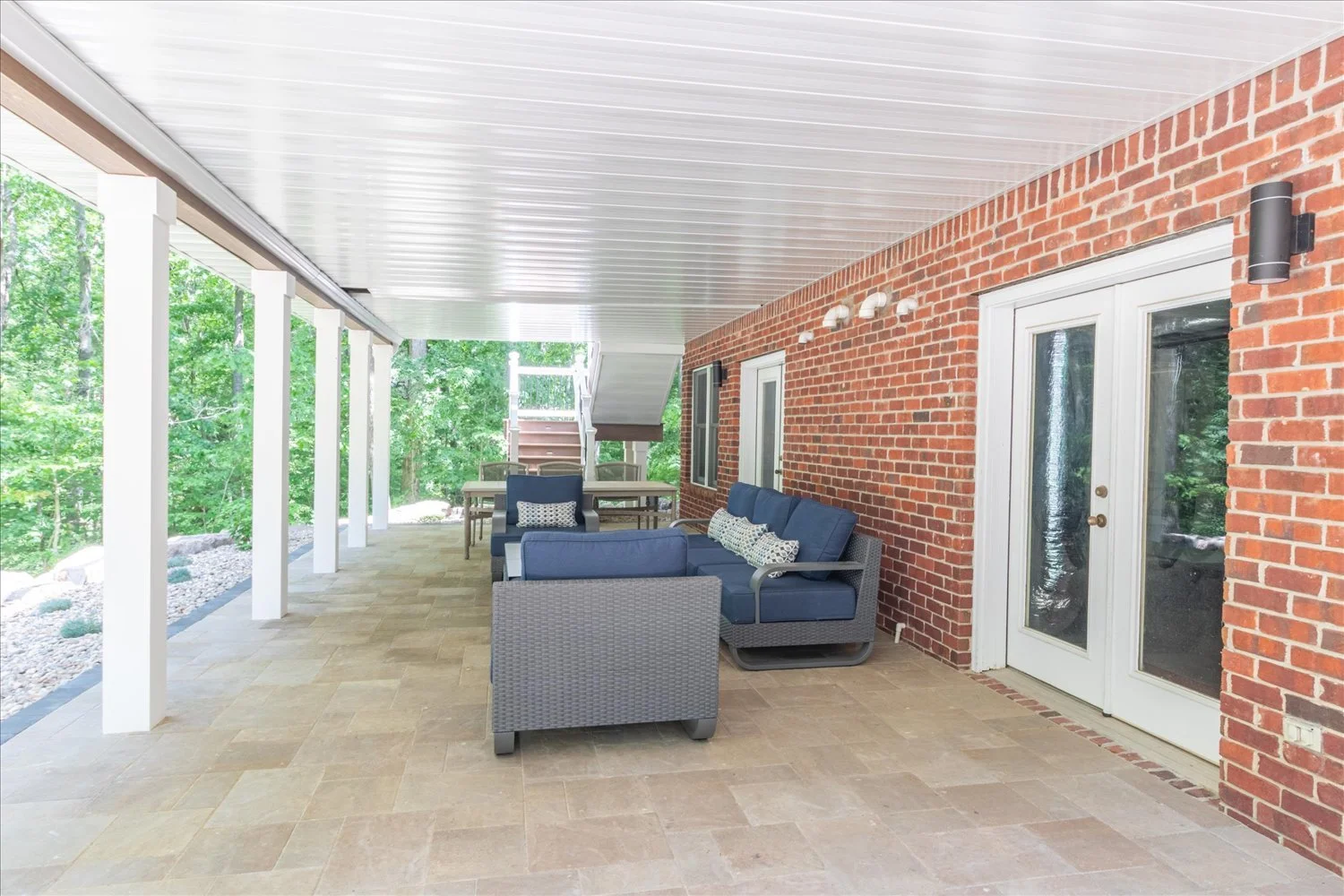
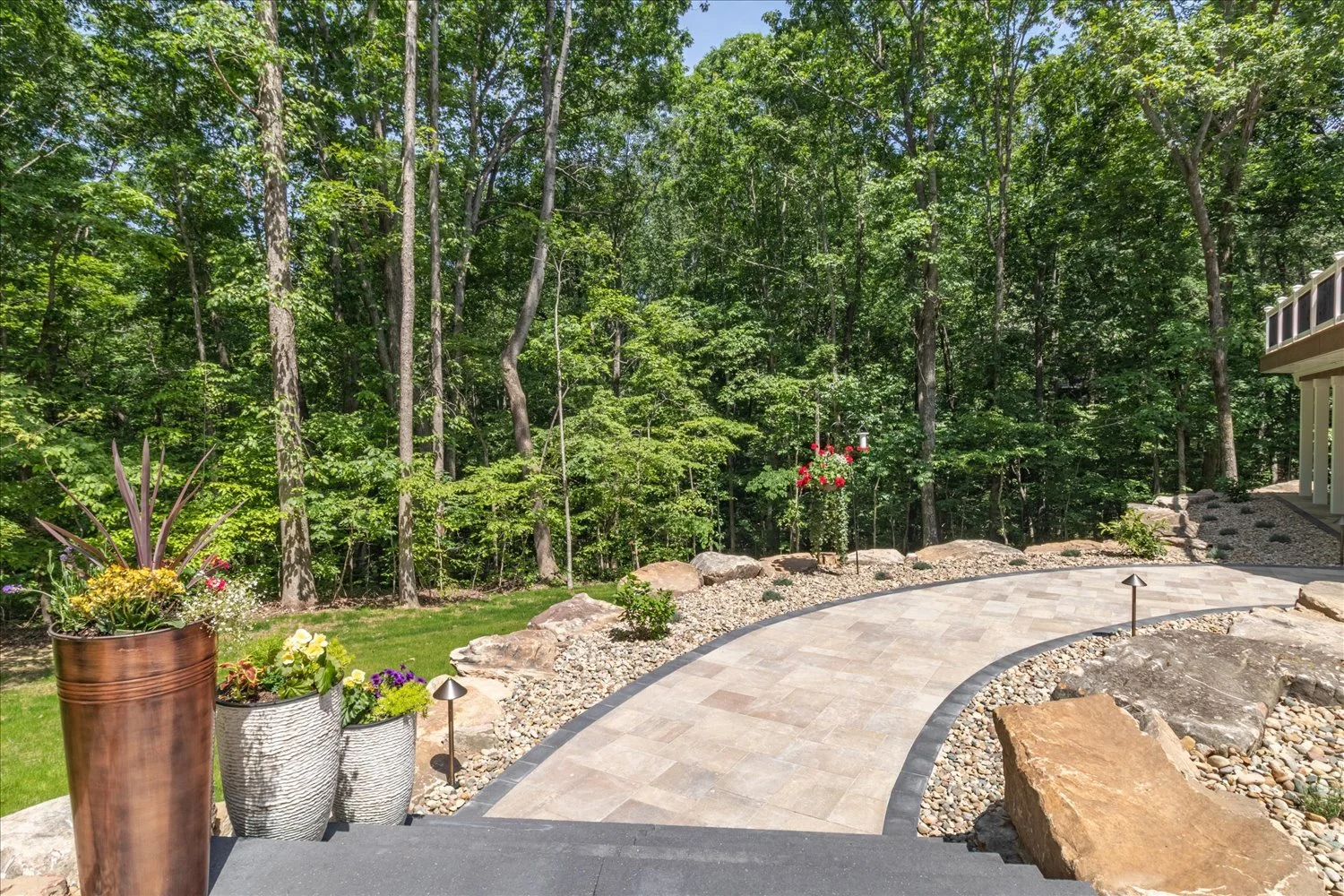
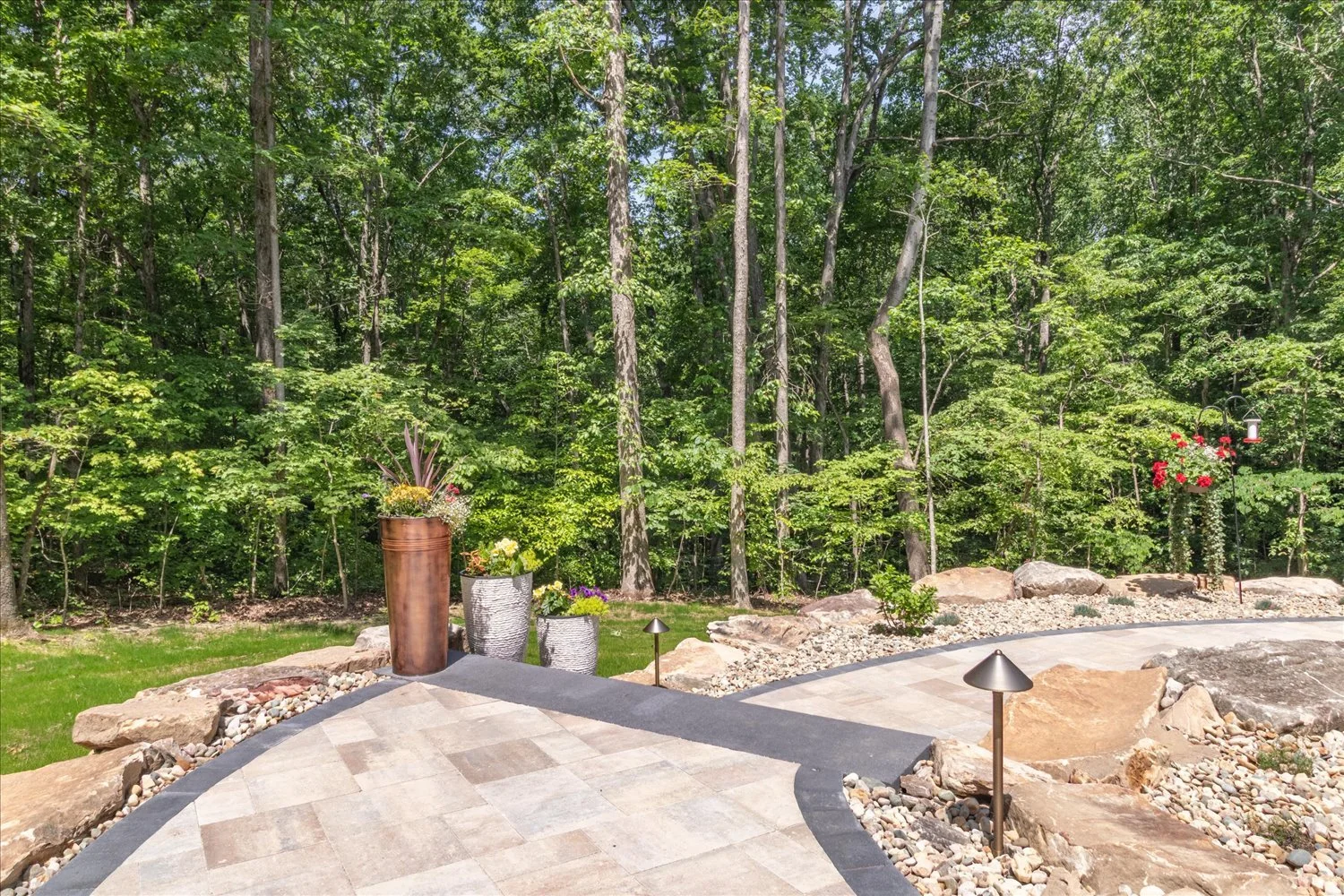
Second Pass (Low Angle): Conduct a second walkthrough, shooting from a low angle (approximately 3 feet off the ground), capturing diverse angles and viewpoints again. This highlights textures and ground features.
Stability: Use a tripod for all wide-angle HDR shots to ensure sharpness and consistent bracketing.
B. Telephoto Lens (Details & Artistic Shots)
Lens: Telephoto (e.g., 70-200mm or equivalent).
Camera Settings:
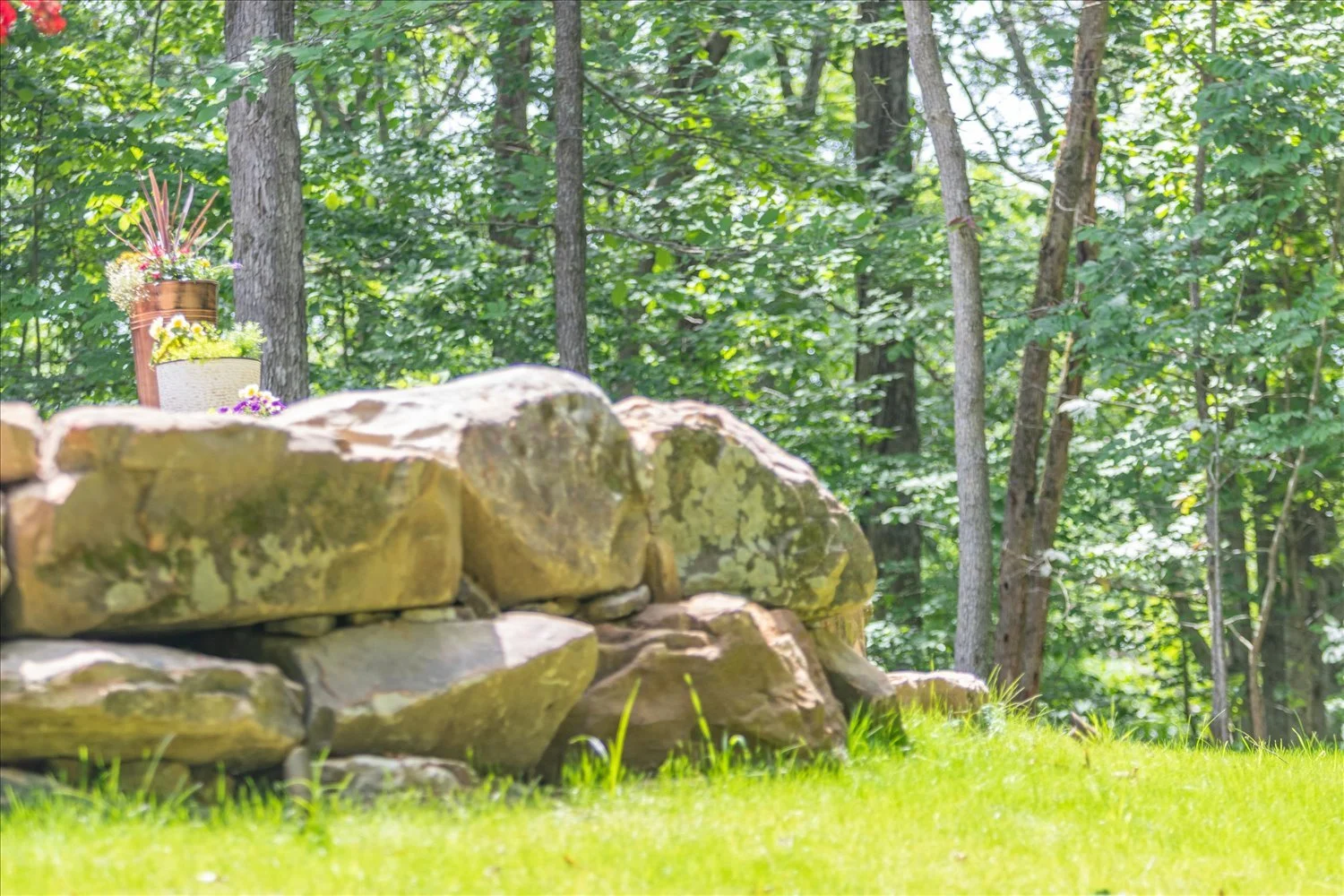
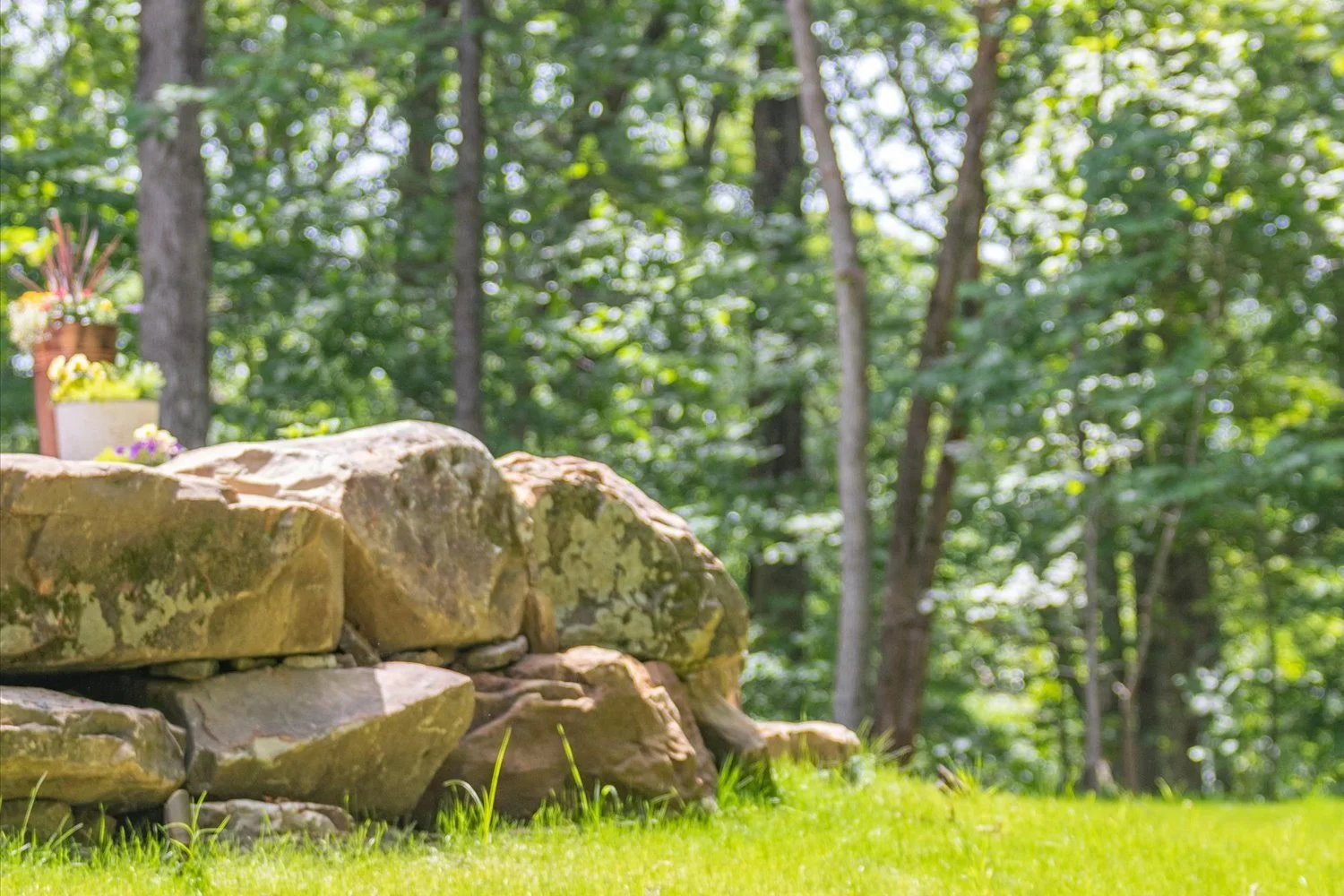
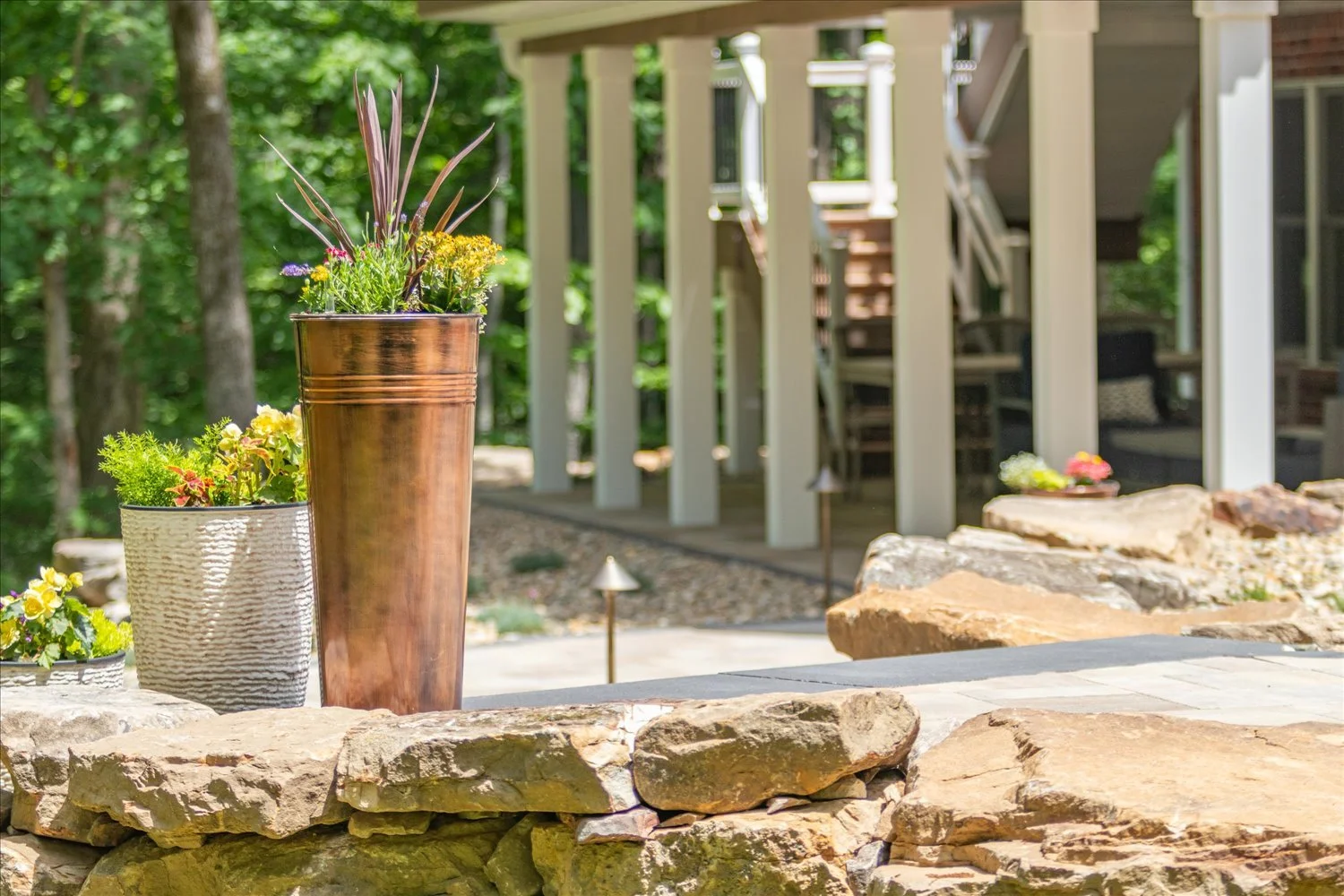
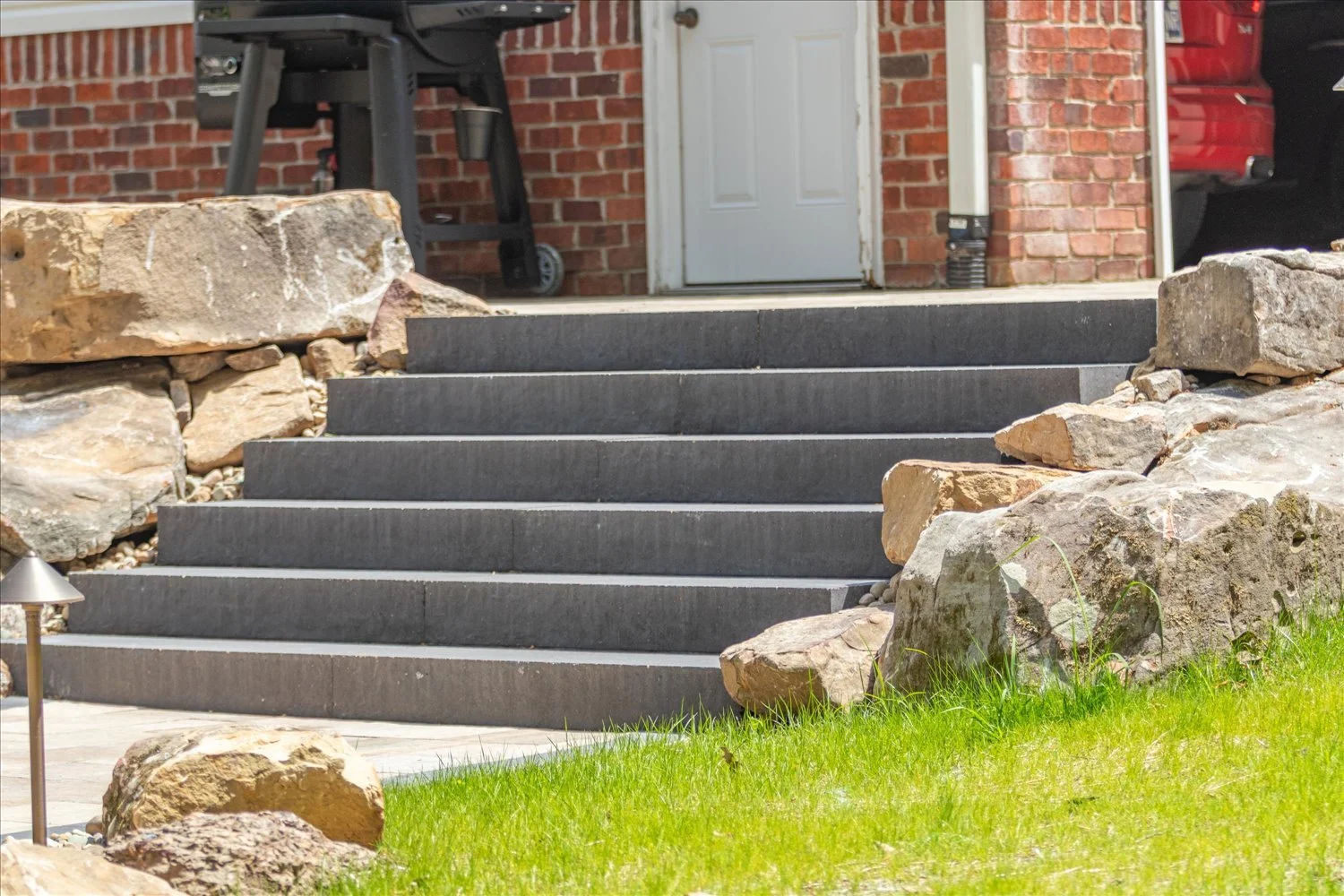
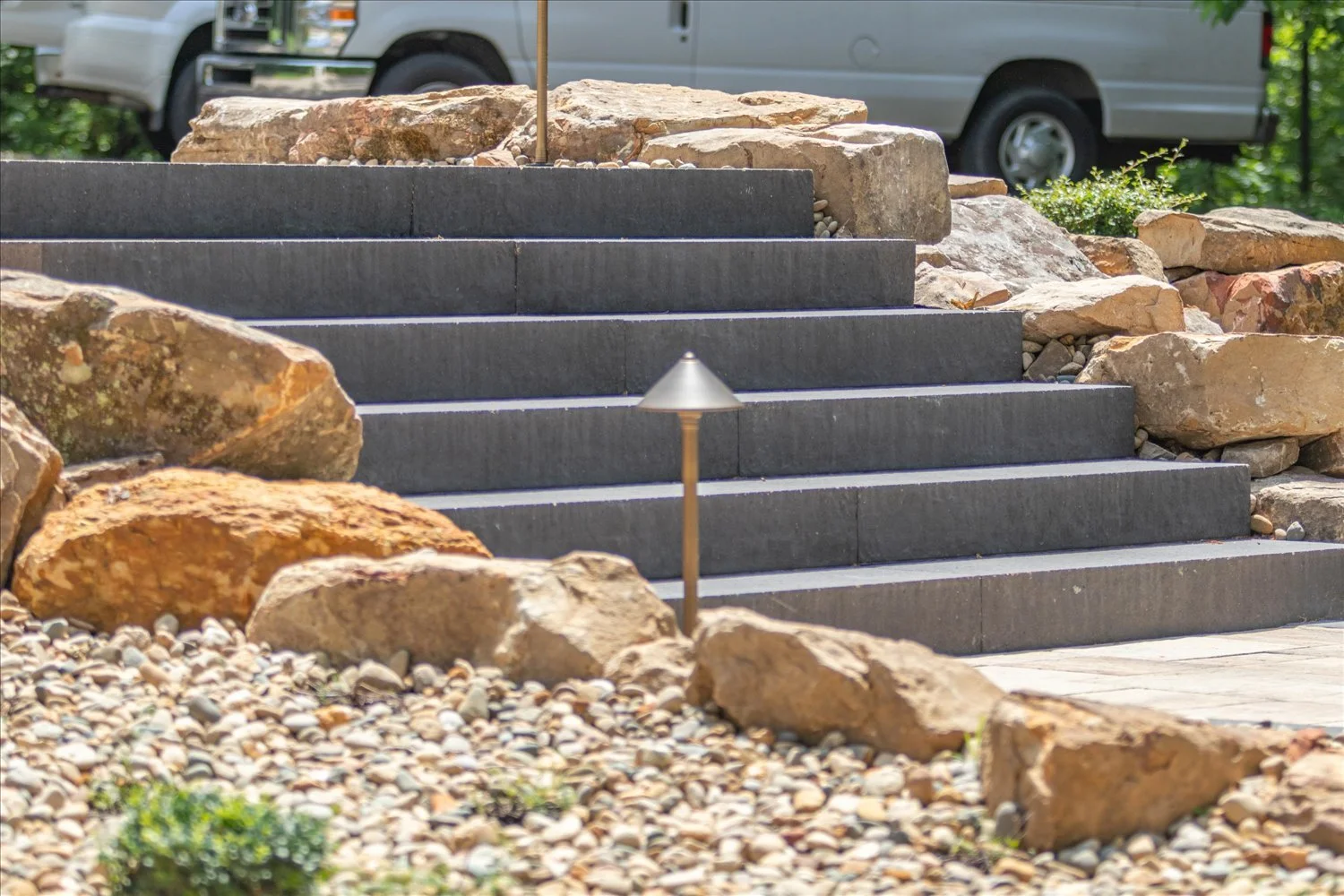
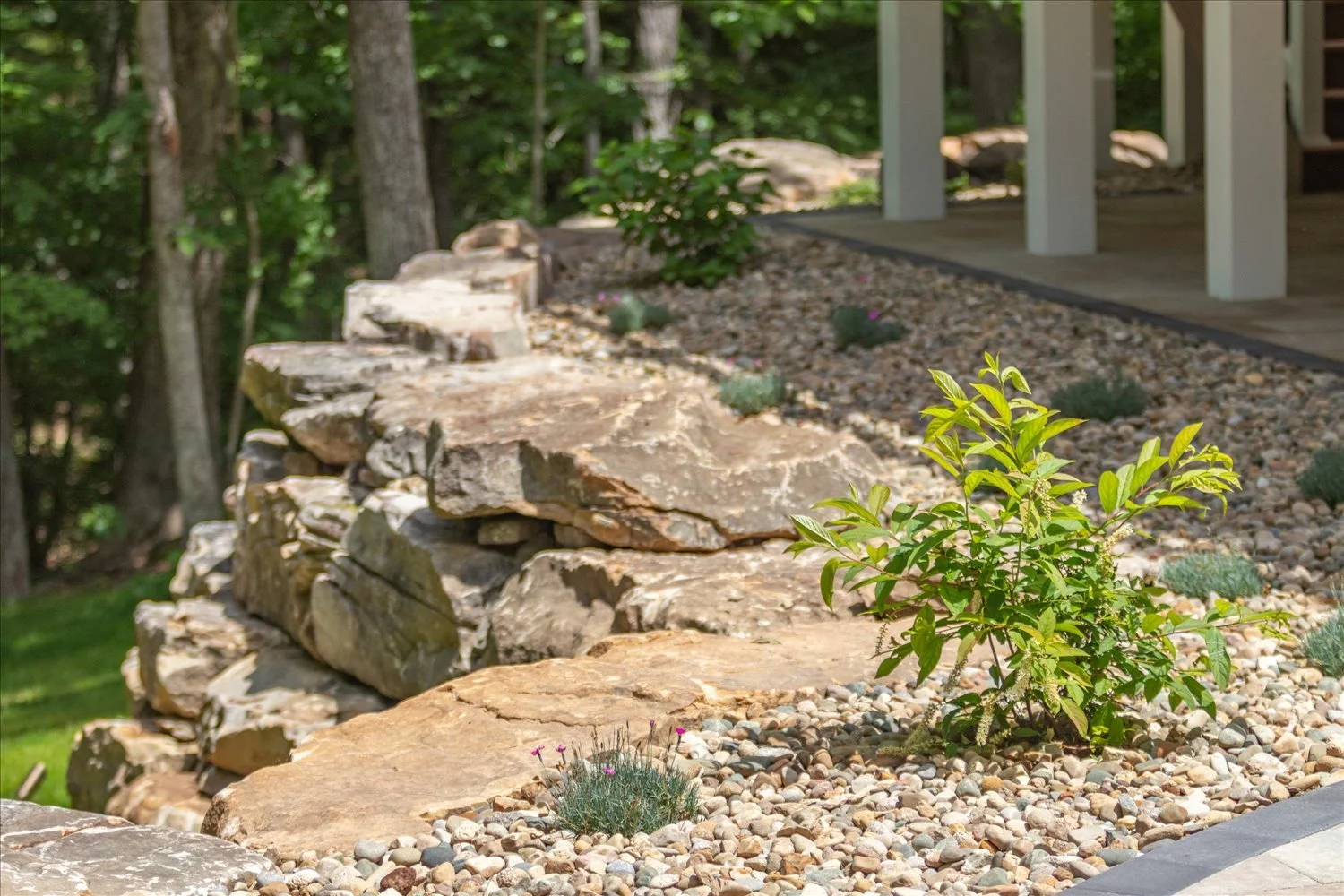
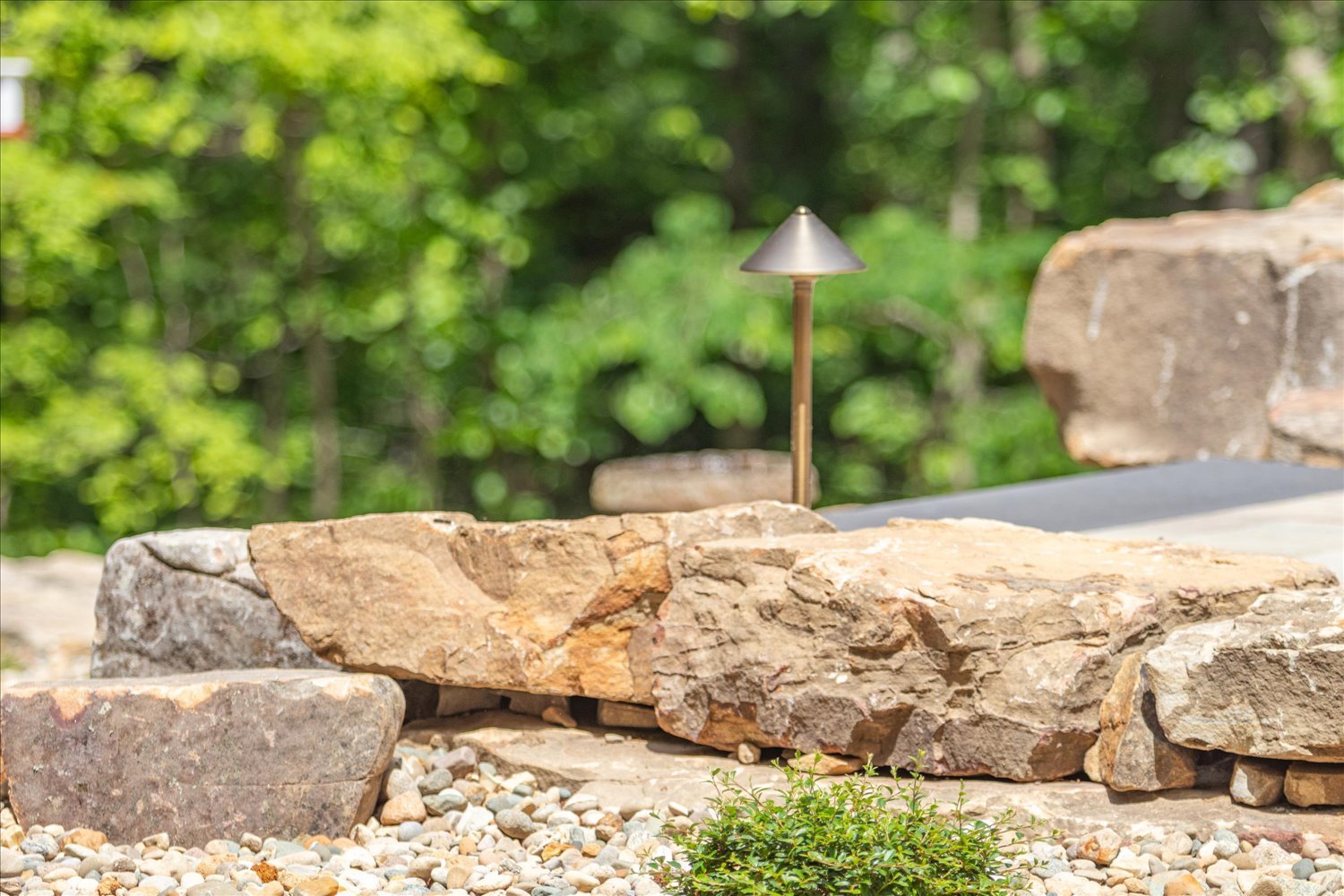
Aperture Priority: Shoot primarily at f/2.8 or f/4 to achieve a shallow depth of field (bokeh/blurry background).
Flexibility: Adjust the aperture as needed for specific shots (e.g., a higher f-stop for greater focus, but aim for bokeh on most).
Technique:
Variety of Heights & Angles: Walk the project and shoot from diverse heights and angles.
Orientation: Alternate between vertical and horizontal shots for versatility.
Shot Types: Focus on:
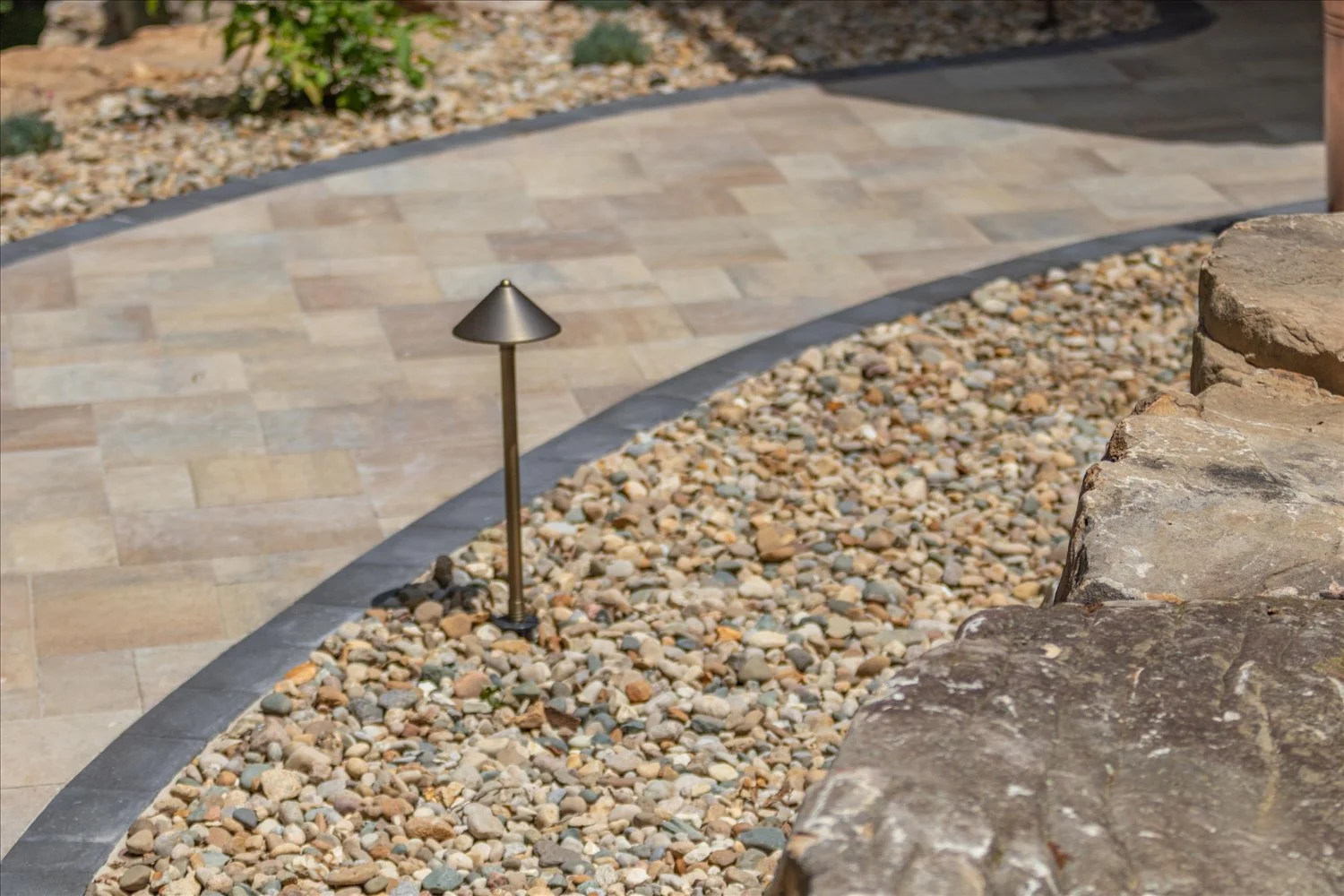
Close-up shots: Intricate details of plants, textures, and hardscaping.
Micro shots: Extremely close-ups to highlight specific features.
Wide-angle shots (within 70-200mm range): Broader compositions where bokeh is desired.
III. Drone Footage (Video Clips & Photos)
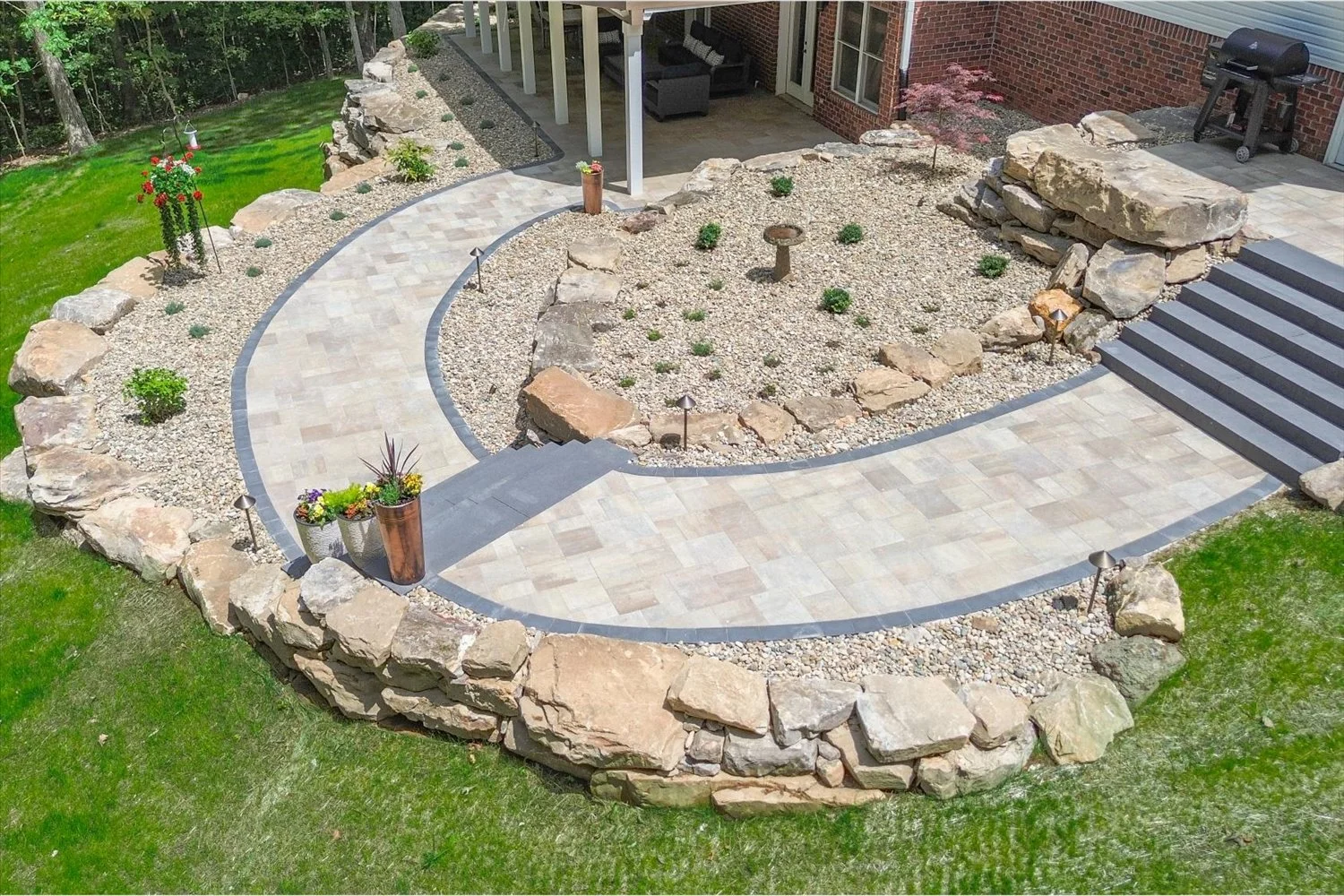
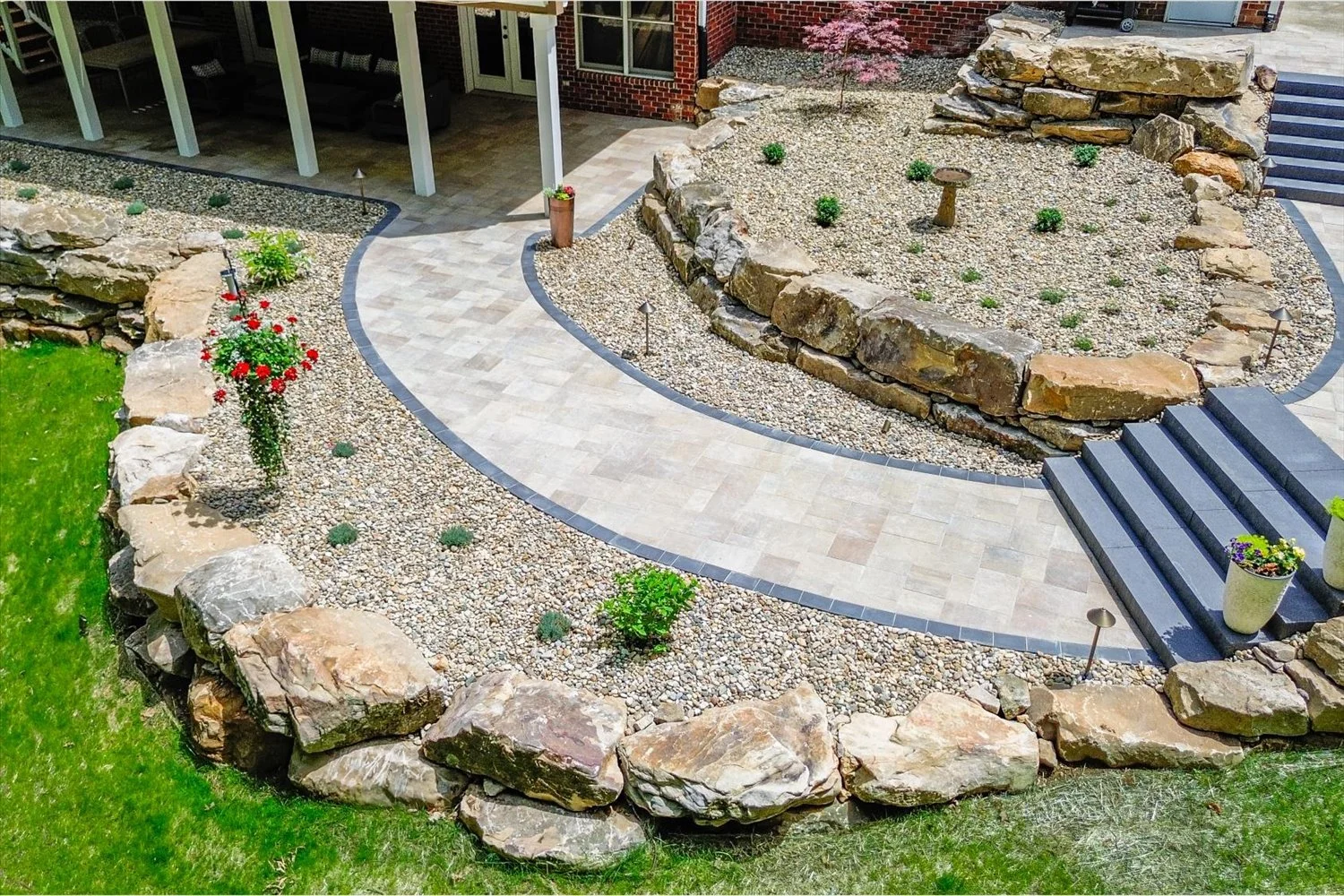
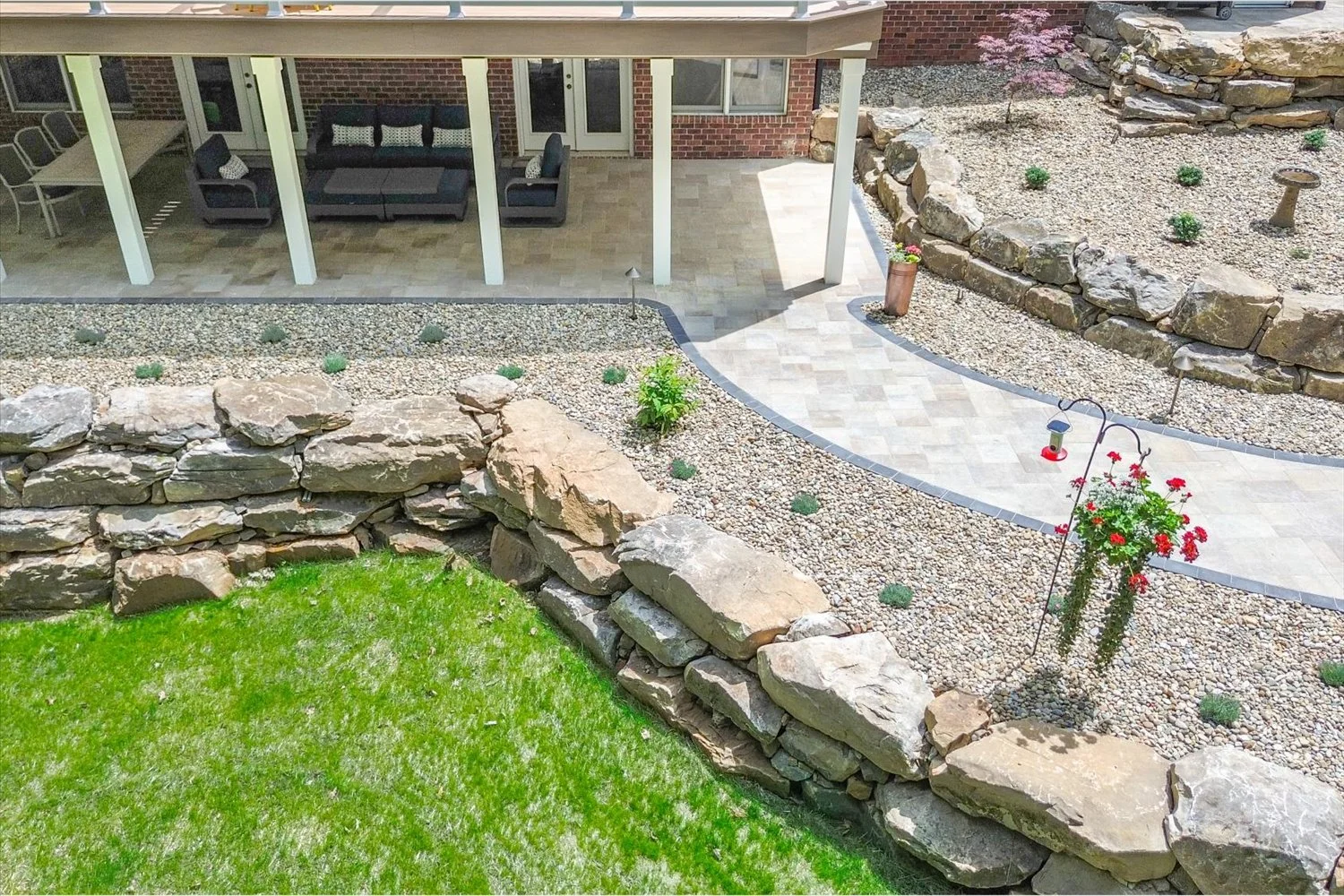
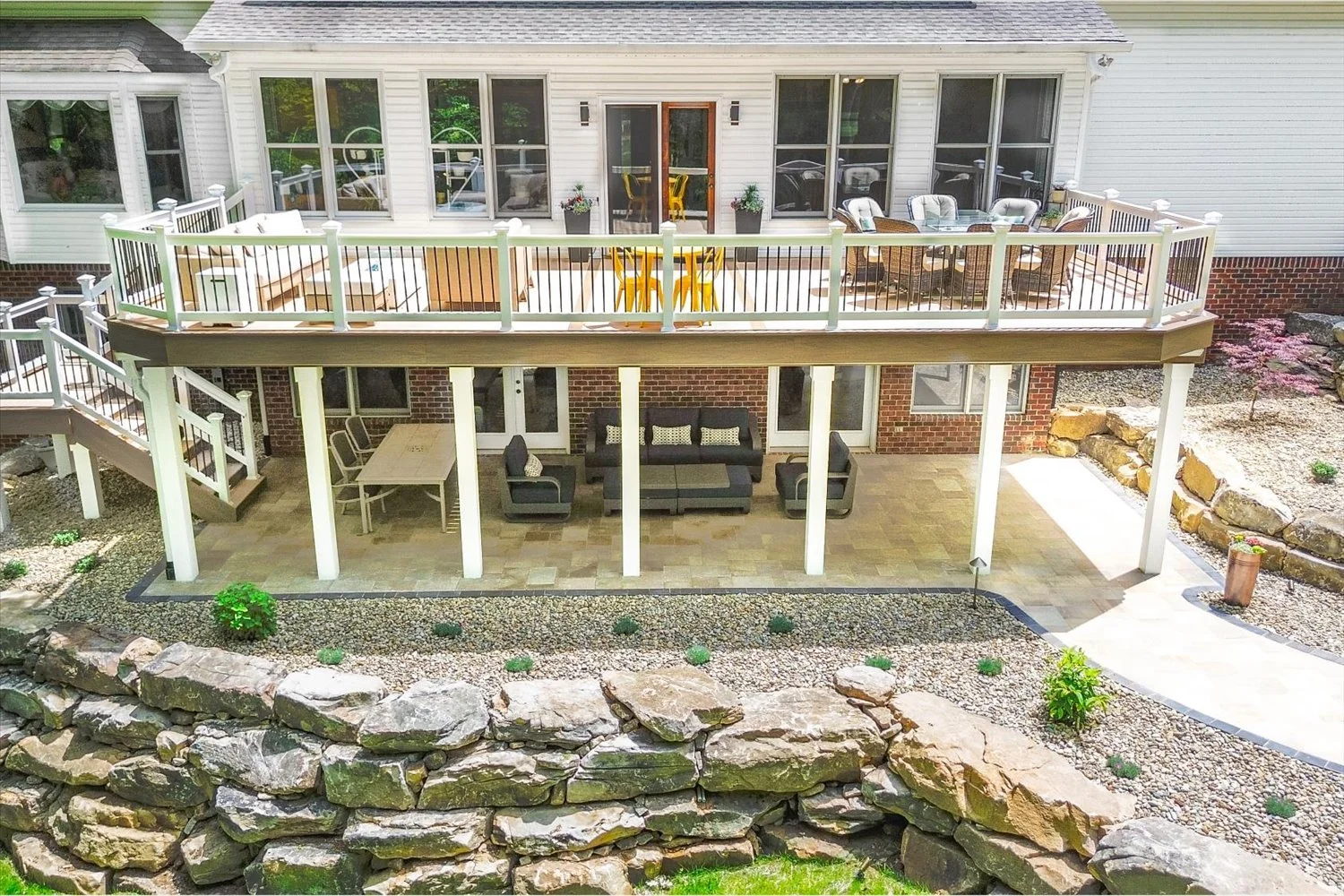
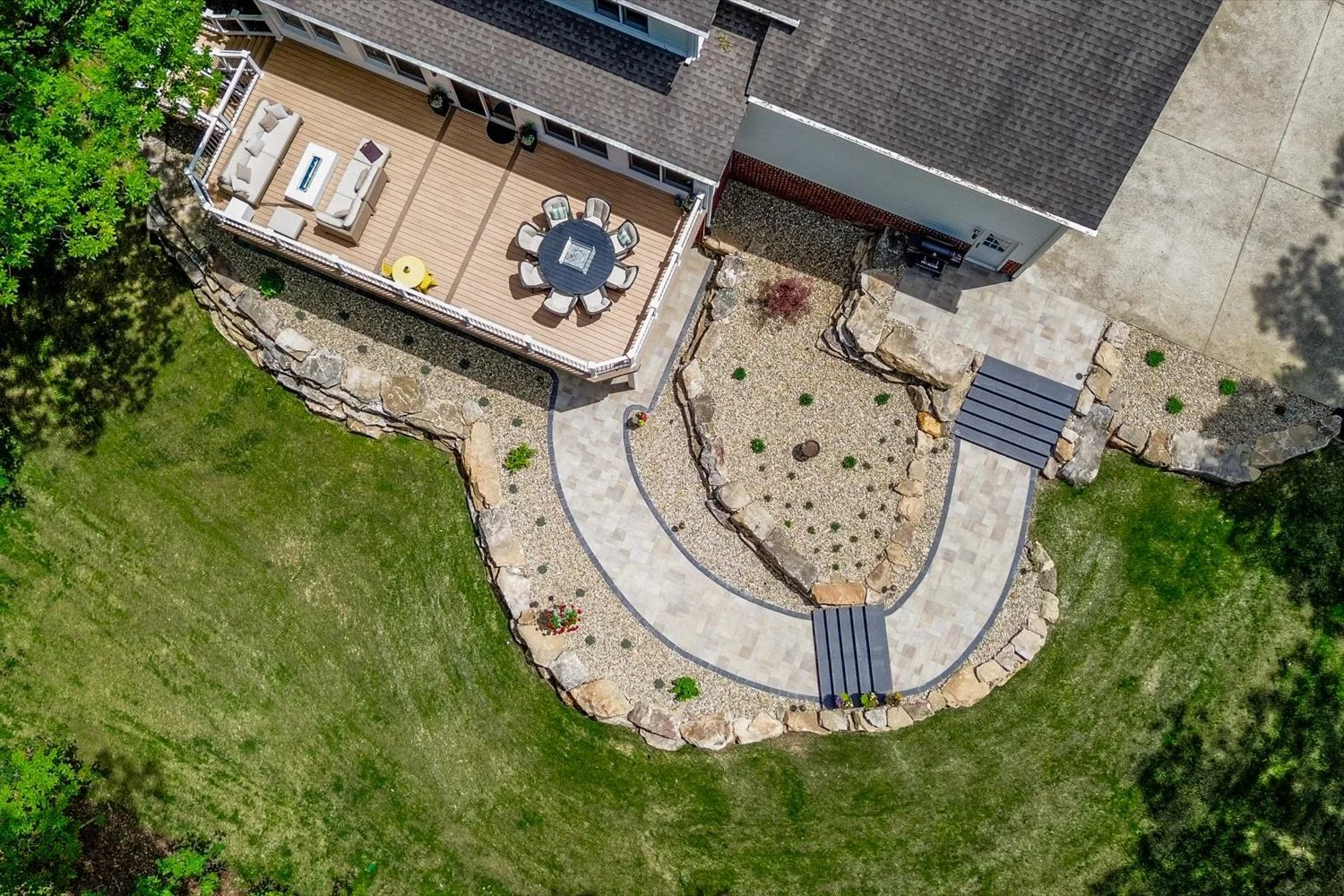
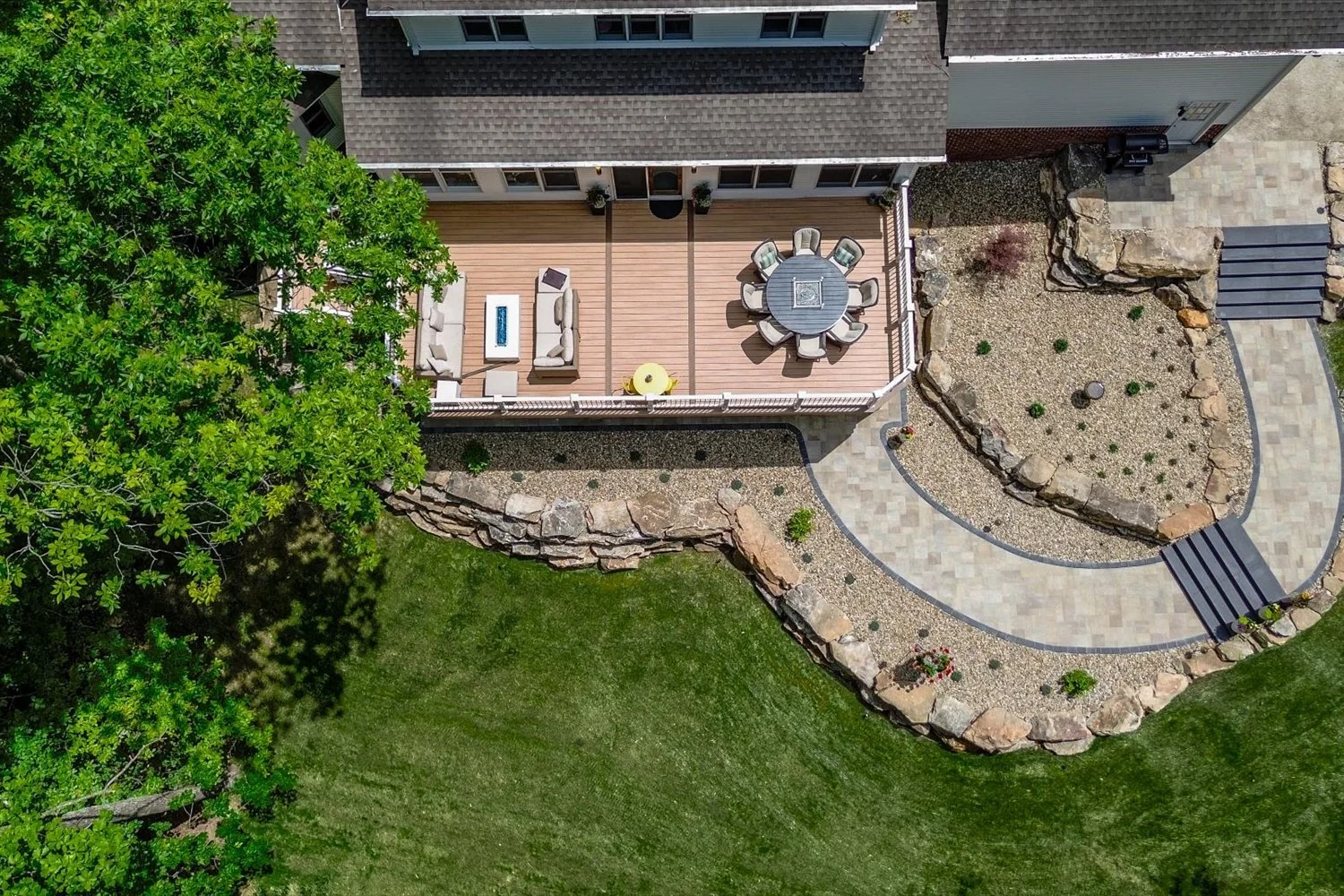
Goal: Capture 10-second video clips at various altitudes with slow, smooth motion, plus comprehensive photos.
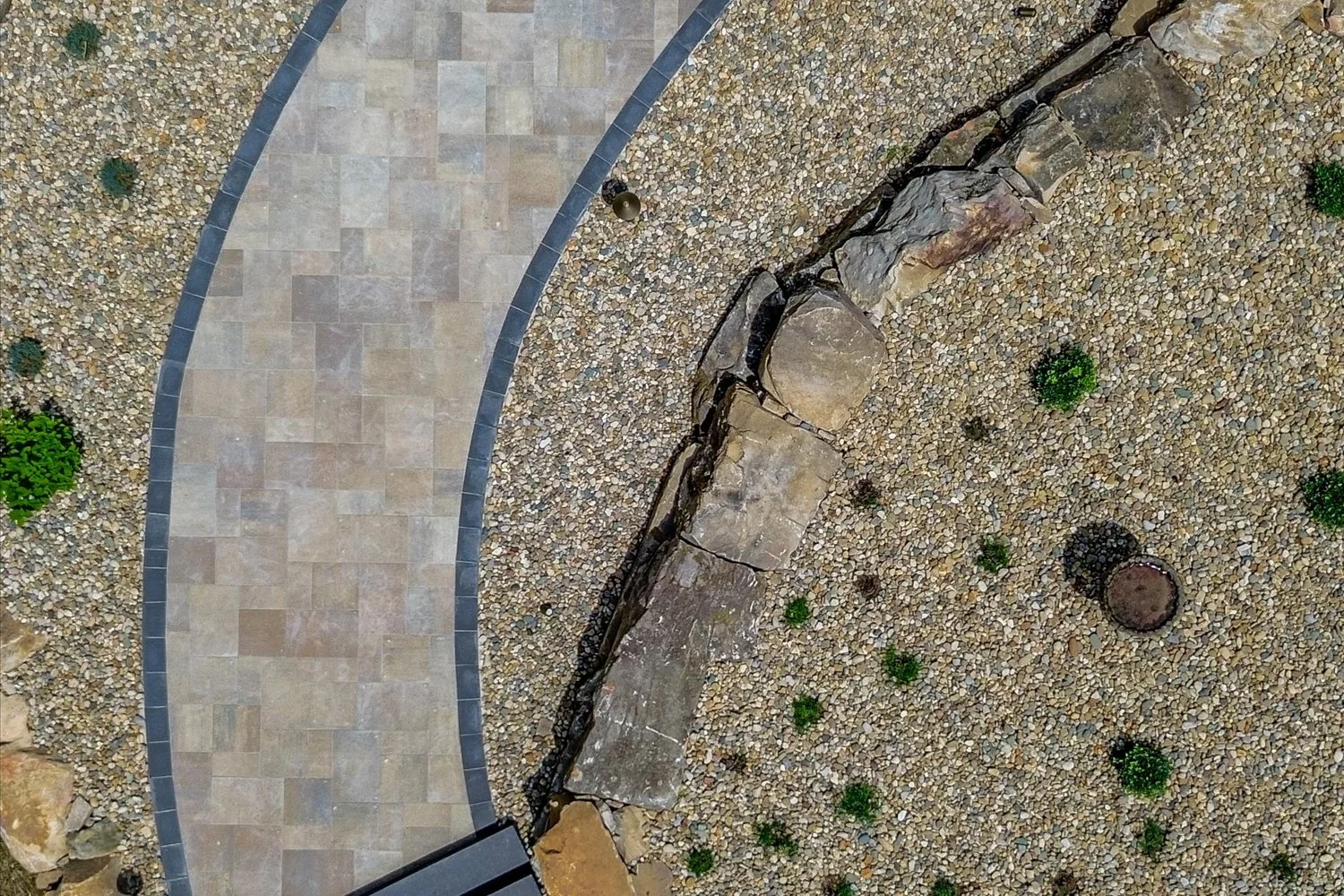
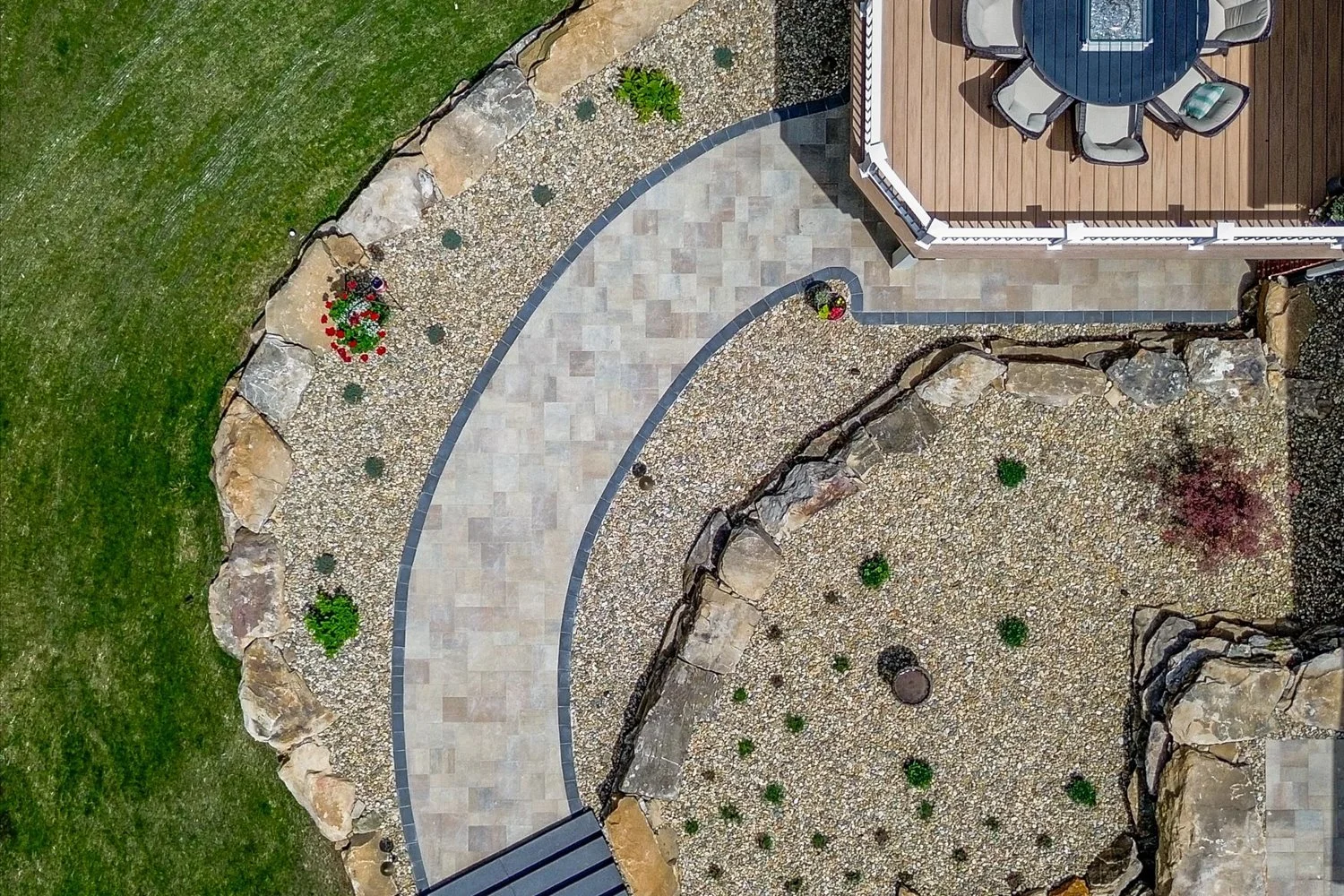
Altitude: Capture from eye level to sky level, providing comprehensive views.
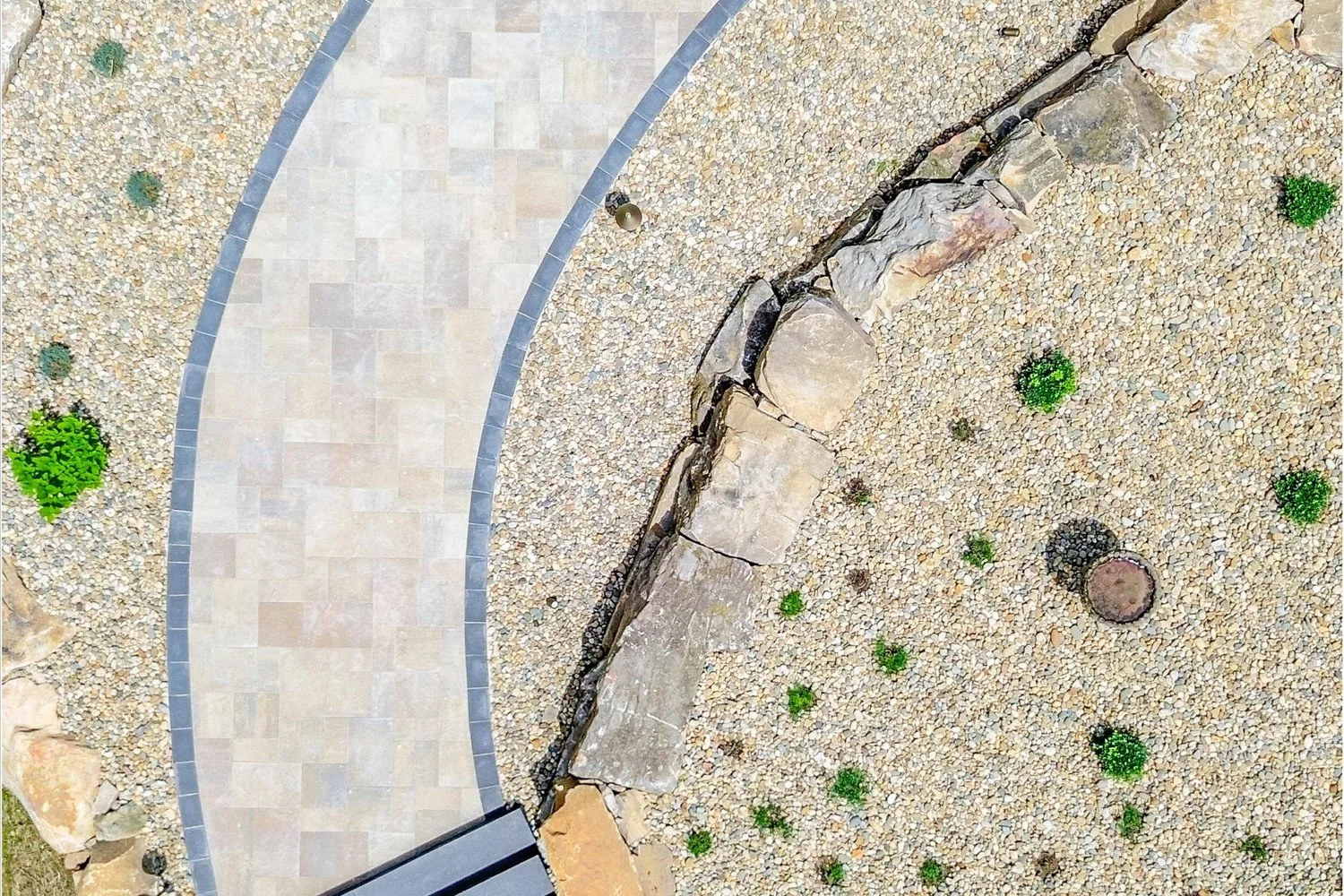
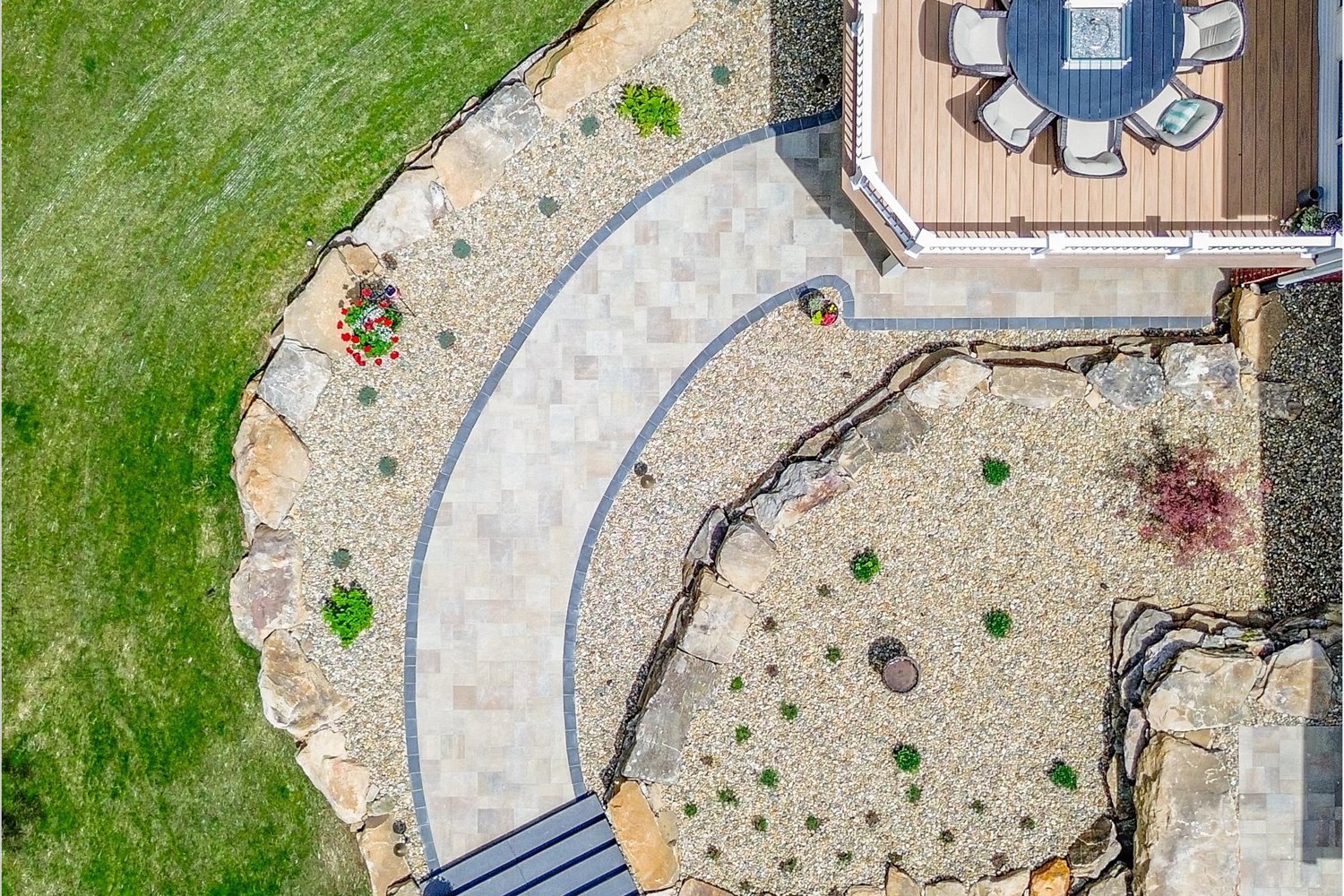
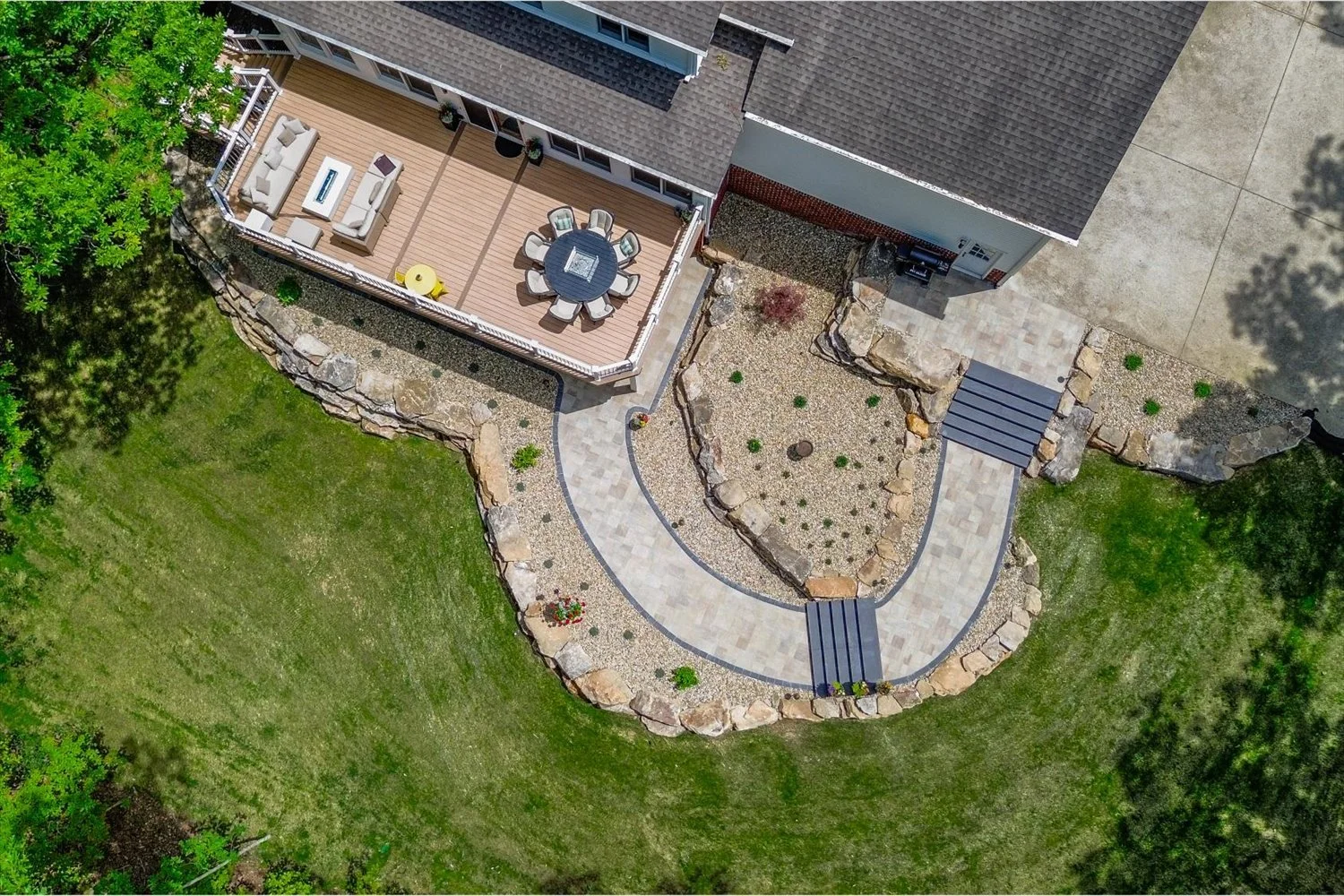
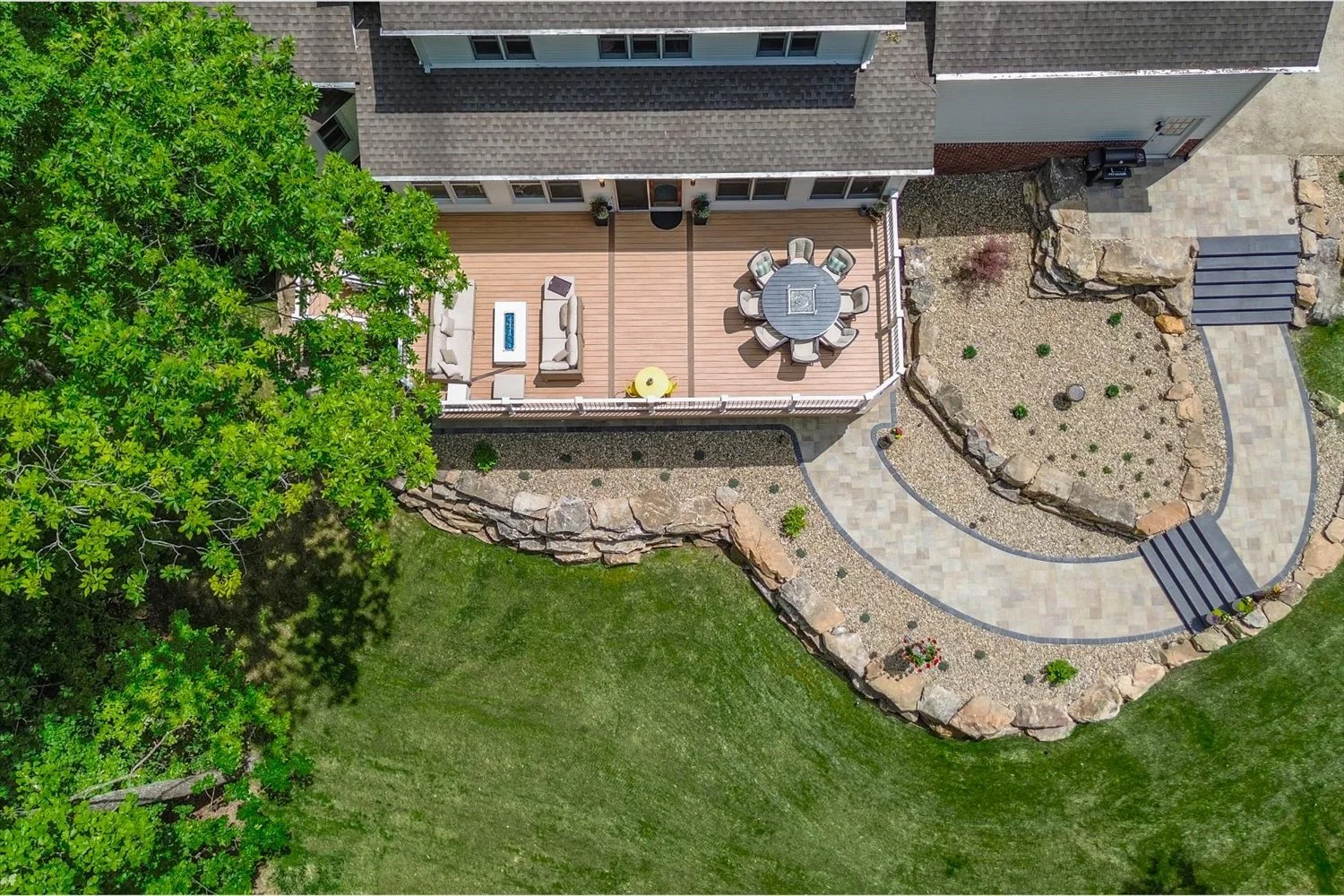
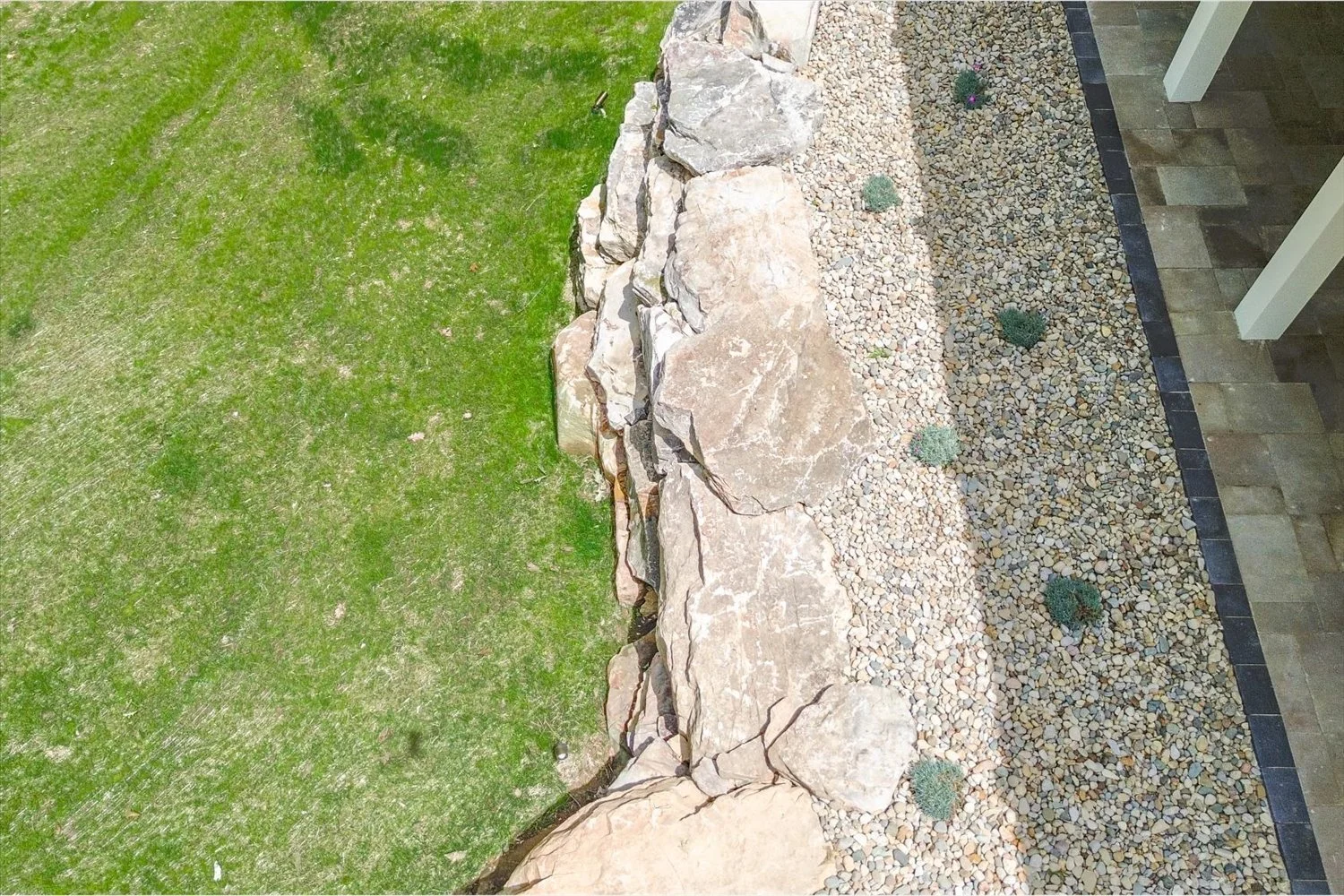
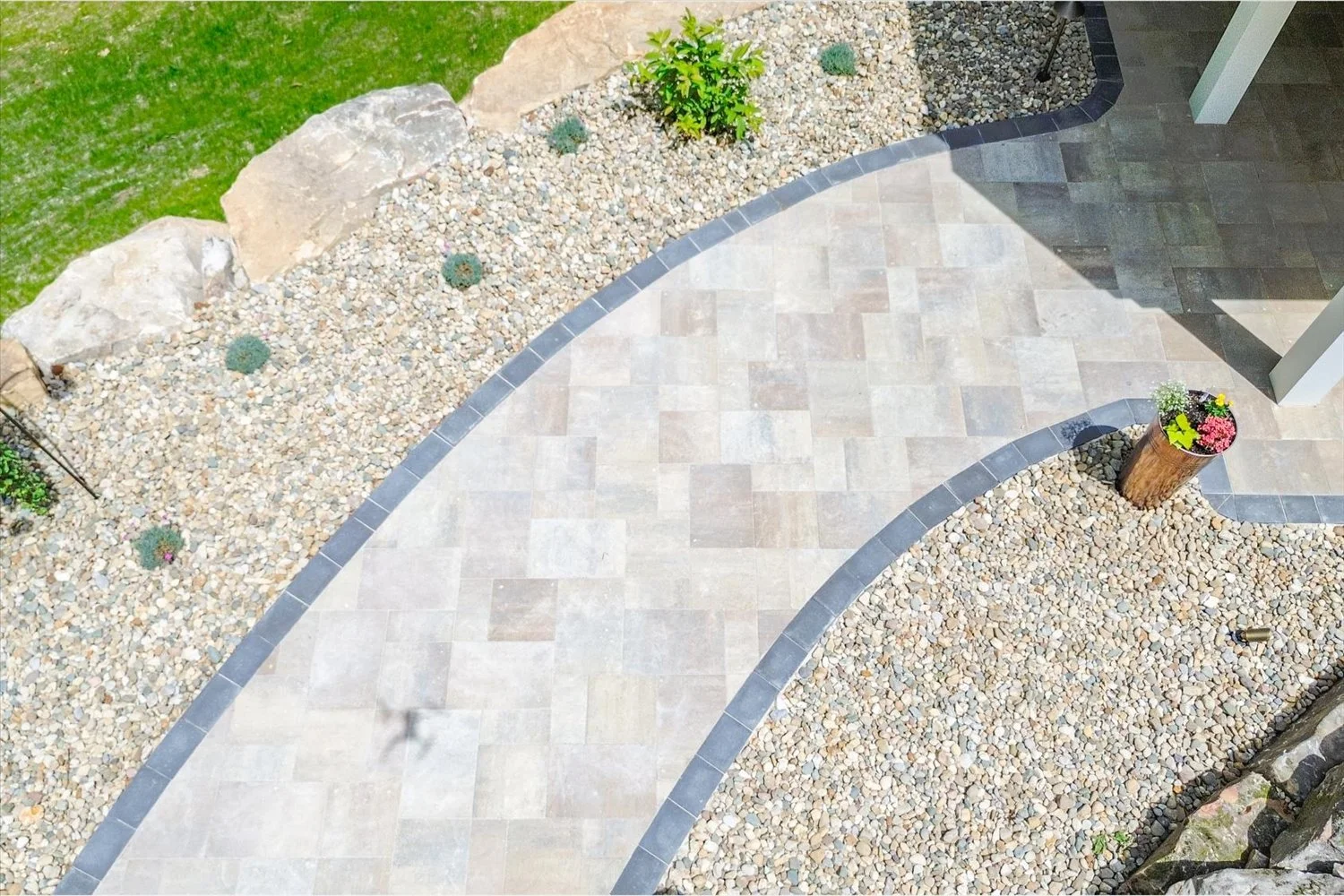
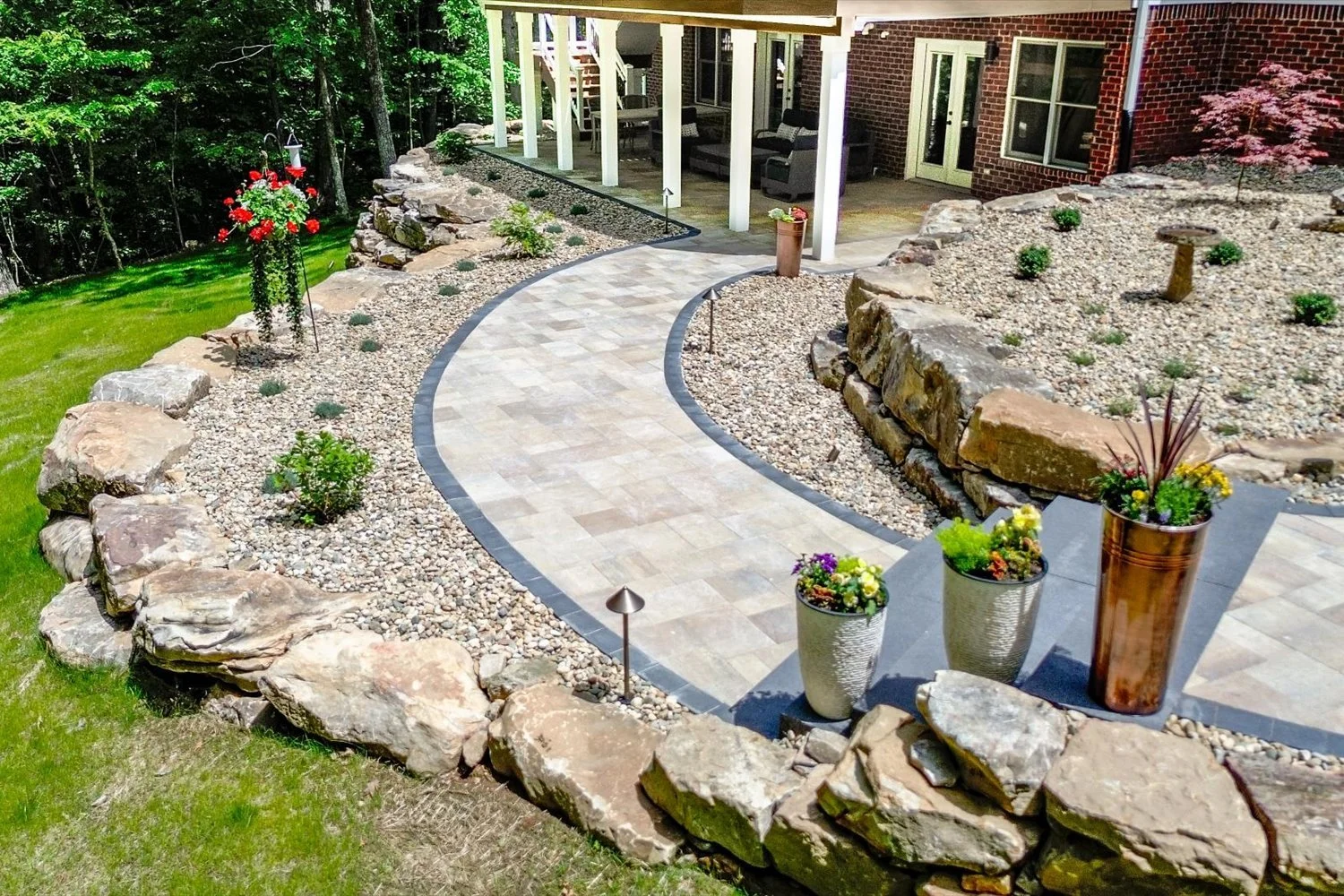
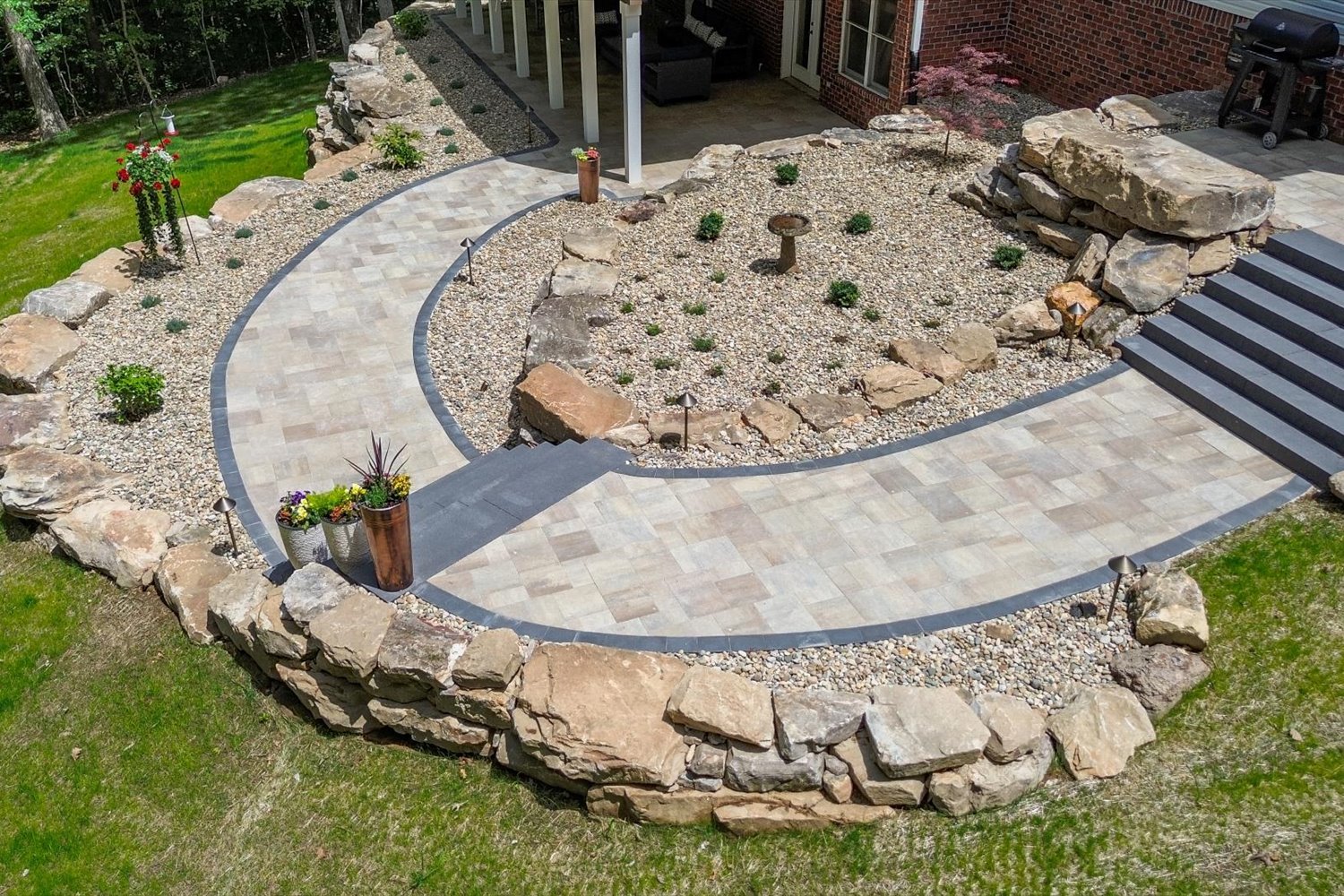
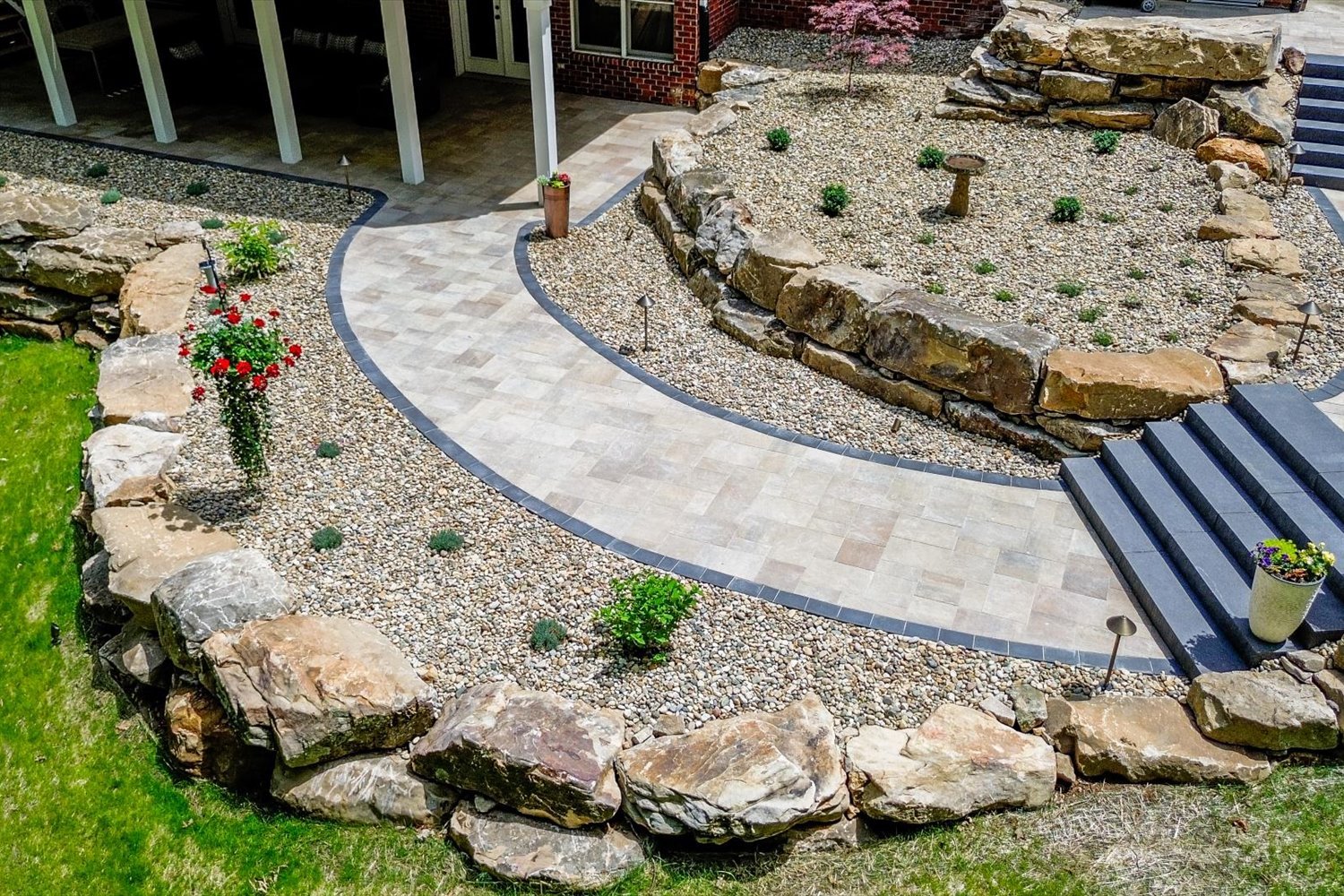
Content: Capture both photos and video of the entire project, circling the property from multiple altitudes.
Orientation: If your drone is capable, capture both vertical and horizontal videos.
Video Movement (Extremely Slow & Smooth):
Reverse Slide with Gimbal Rotation
Orbit with Gimbal Rotation
Drop Down and Rotate while Sliding
Raise Up and Rotate with Forward Motion
Raise Up Rotation With Push Slide
Drop Down Rotation With Push Slide
Forward Drop Down Gimbal Up
IV. Cell Phone Video Reels (Social Media Content)
Goal: Capture enough footage for five 1-minute social media reels.
Clip Length: Each video clip should be 5 to 10 seconds long.
Quantity: Aim for a total of 30 to 40 diverse video clips.
Orientation: All video footage must be captured in portrait style for social media platforms.
Variety of Angles: Capture a wide range of viewpoints and angles to allow for dynamic montages (e.g., a new scene every 4 seconds in the final reel). Each reel should be 30-60 seconds long.
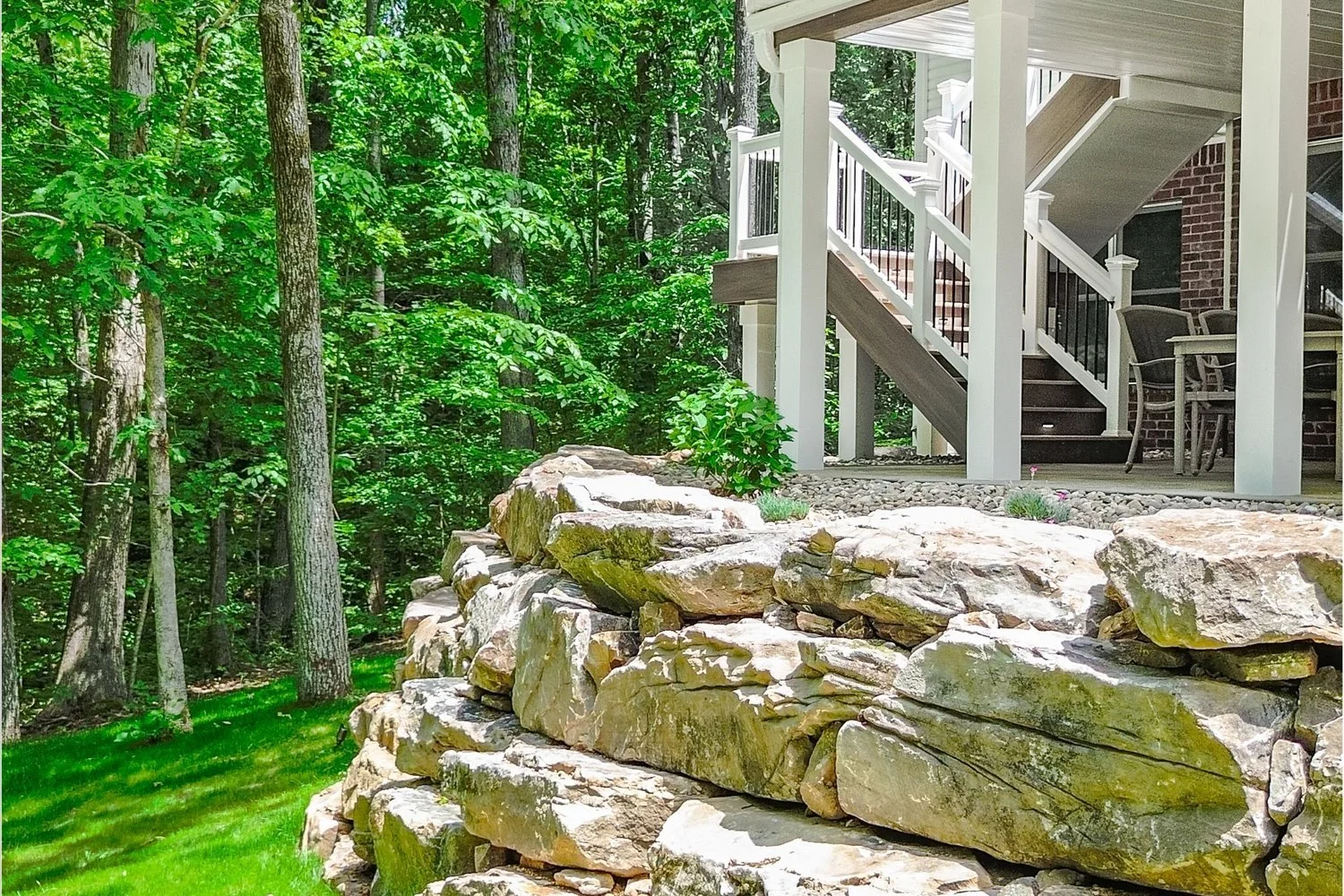
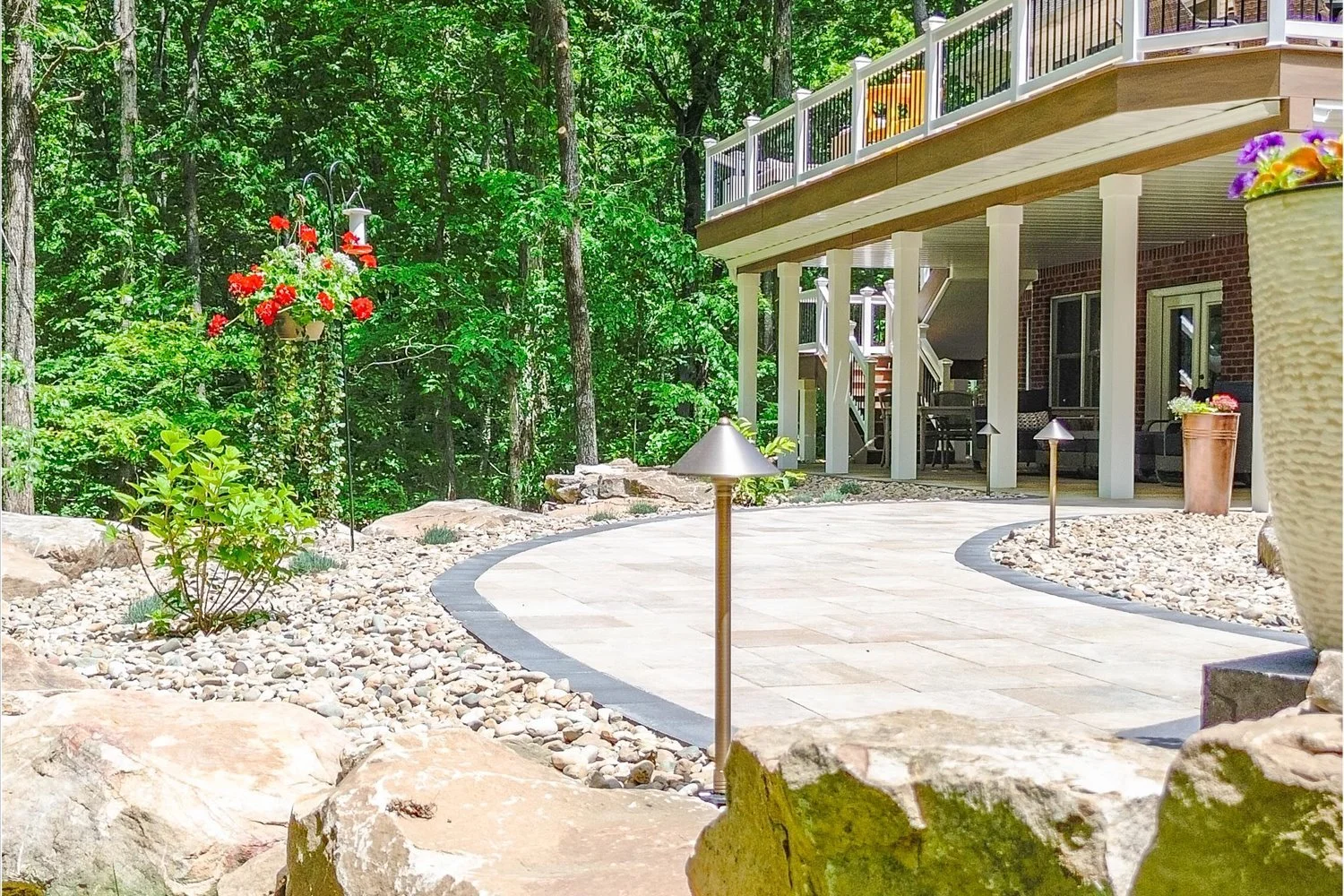
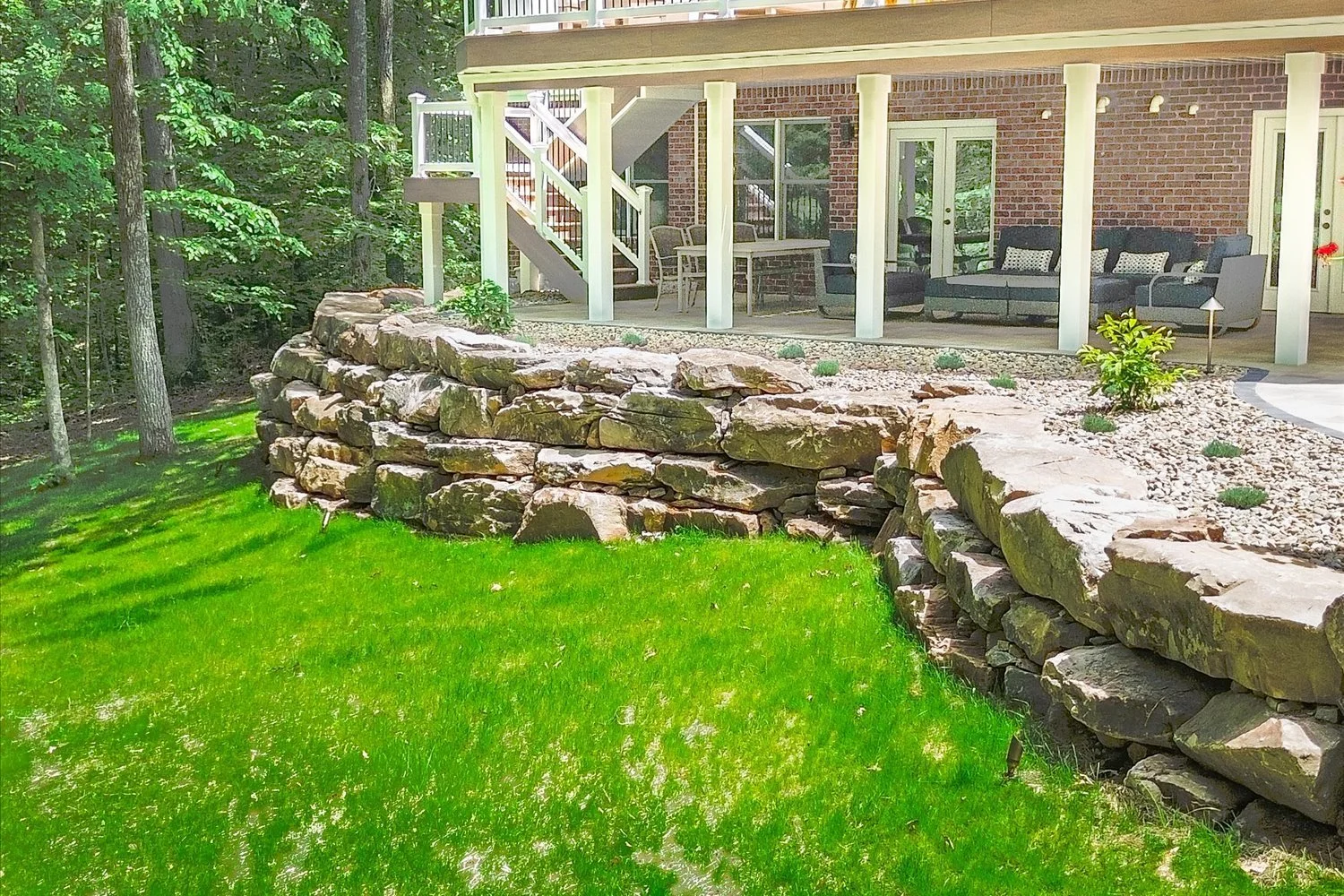
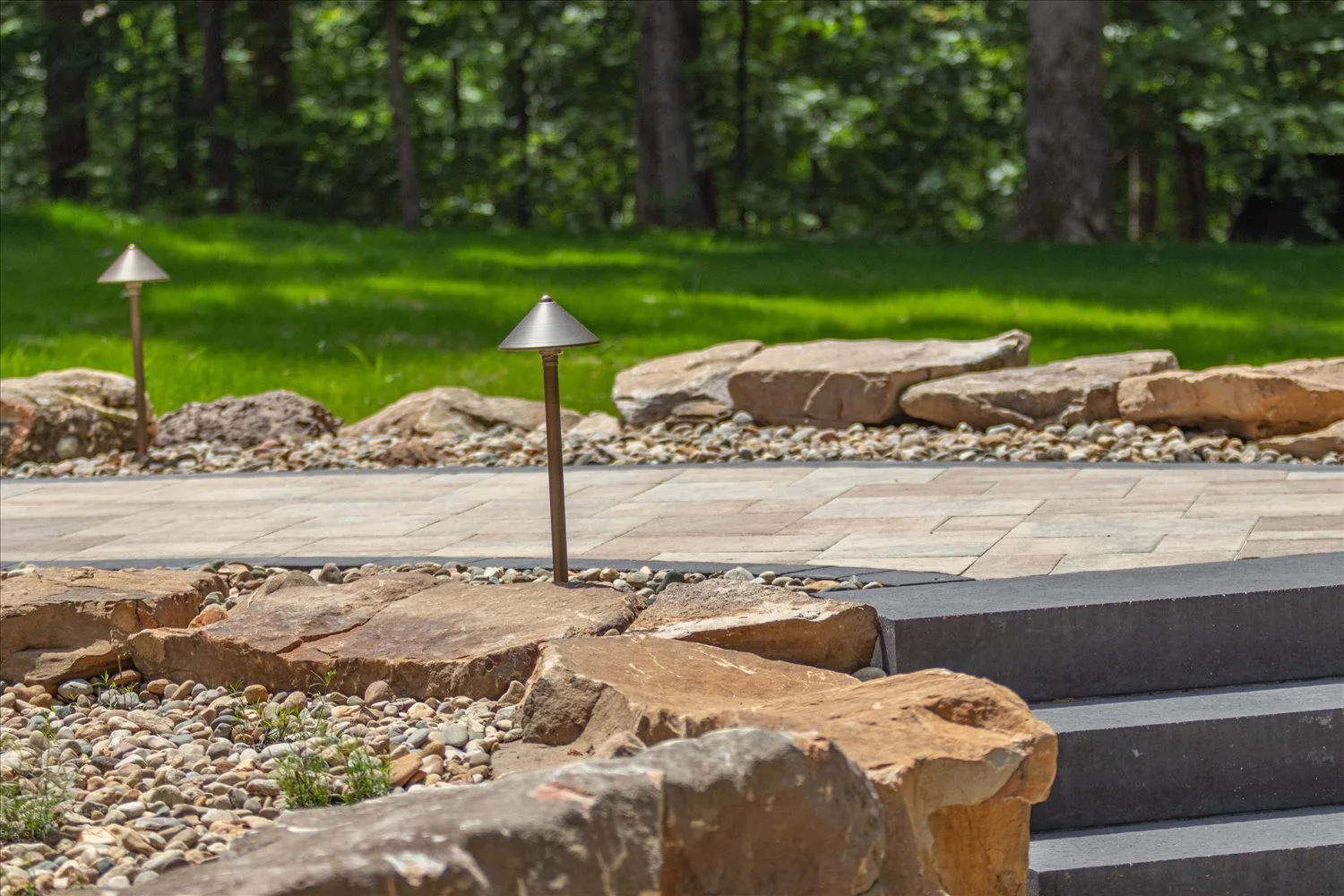
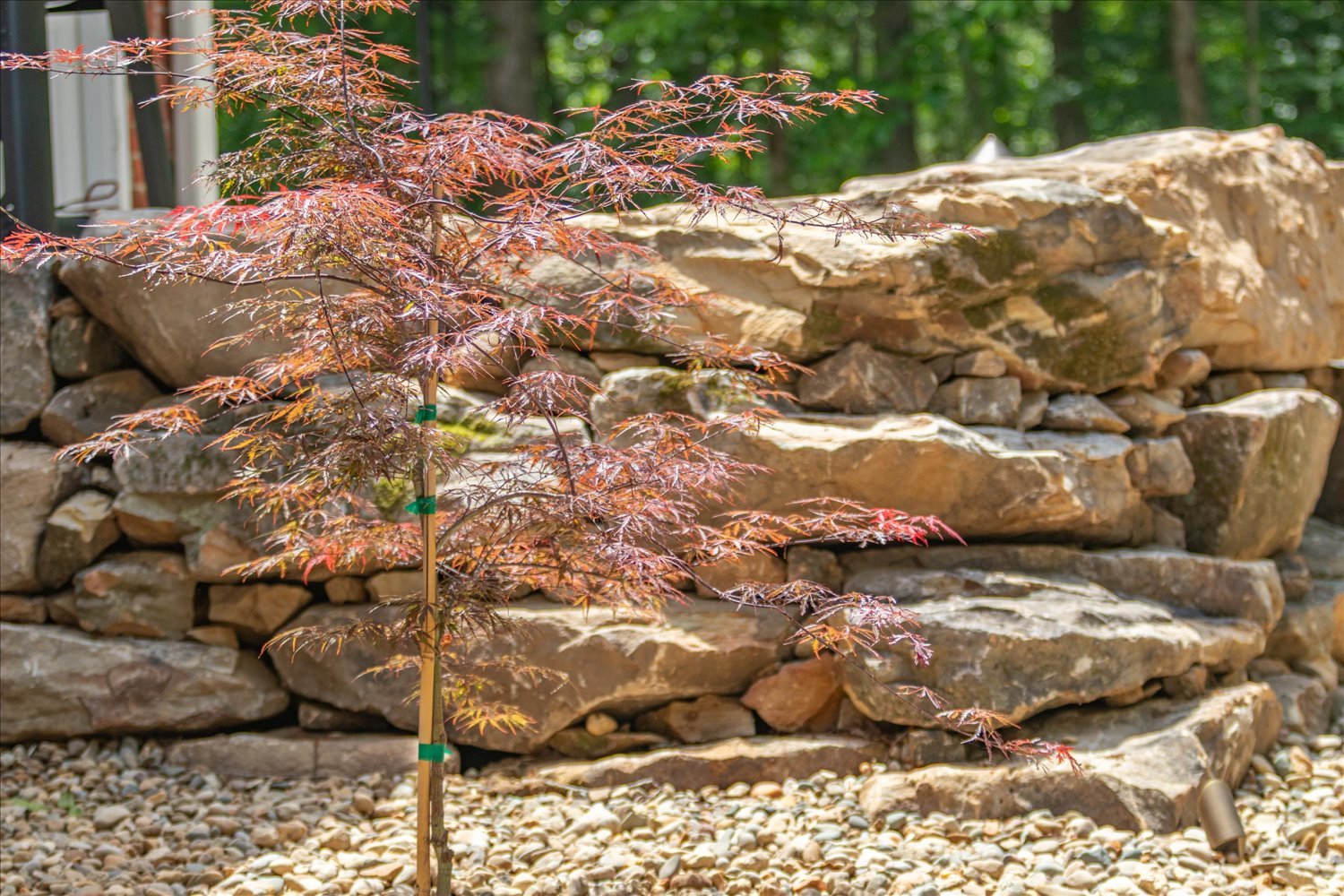
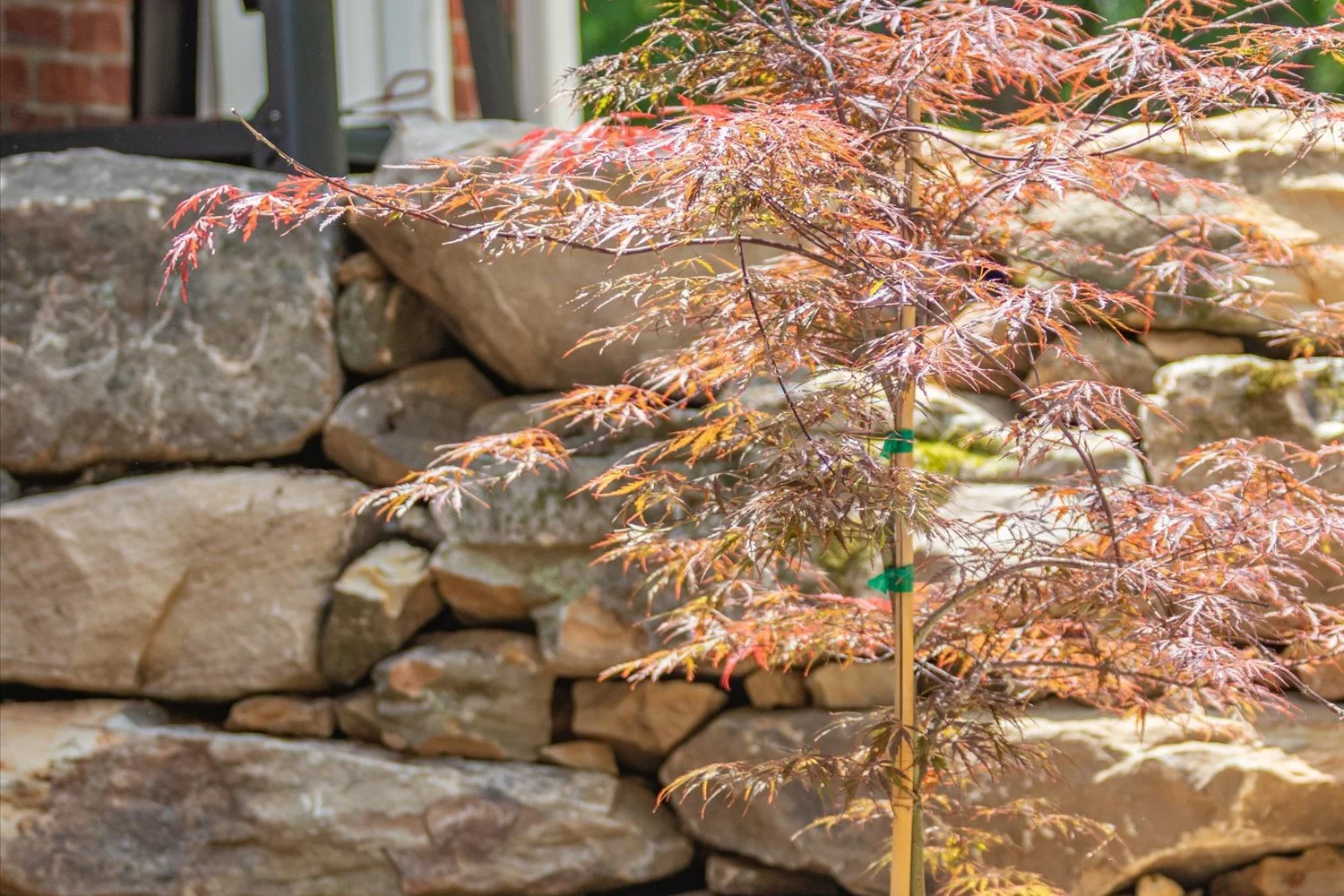
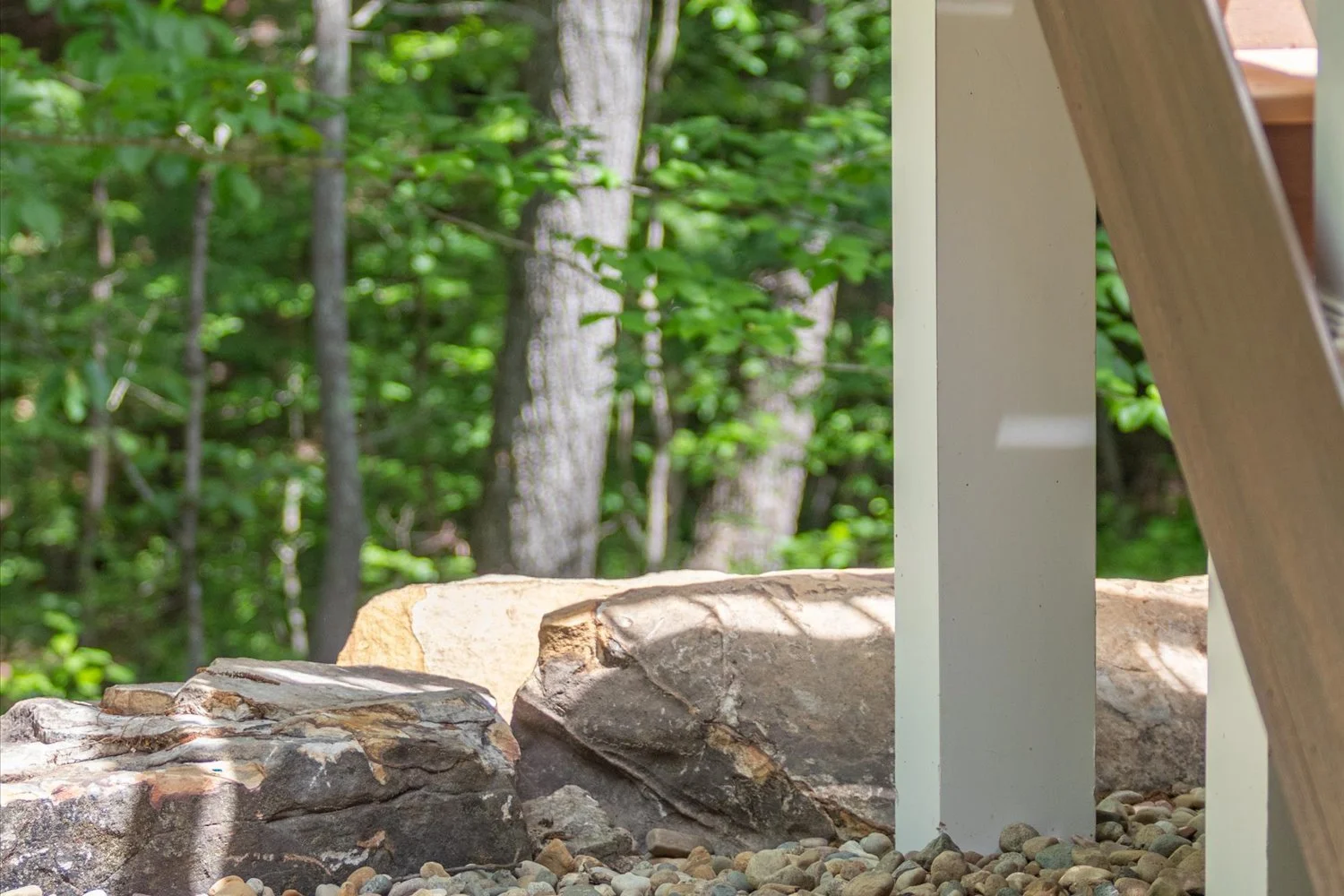
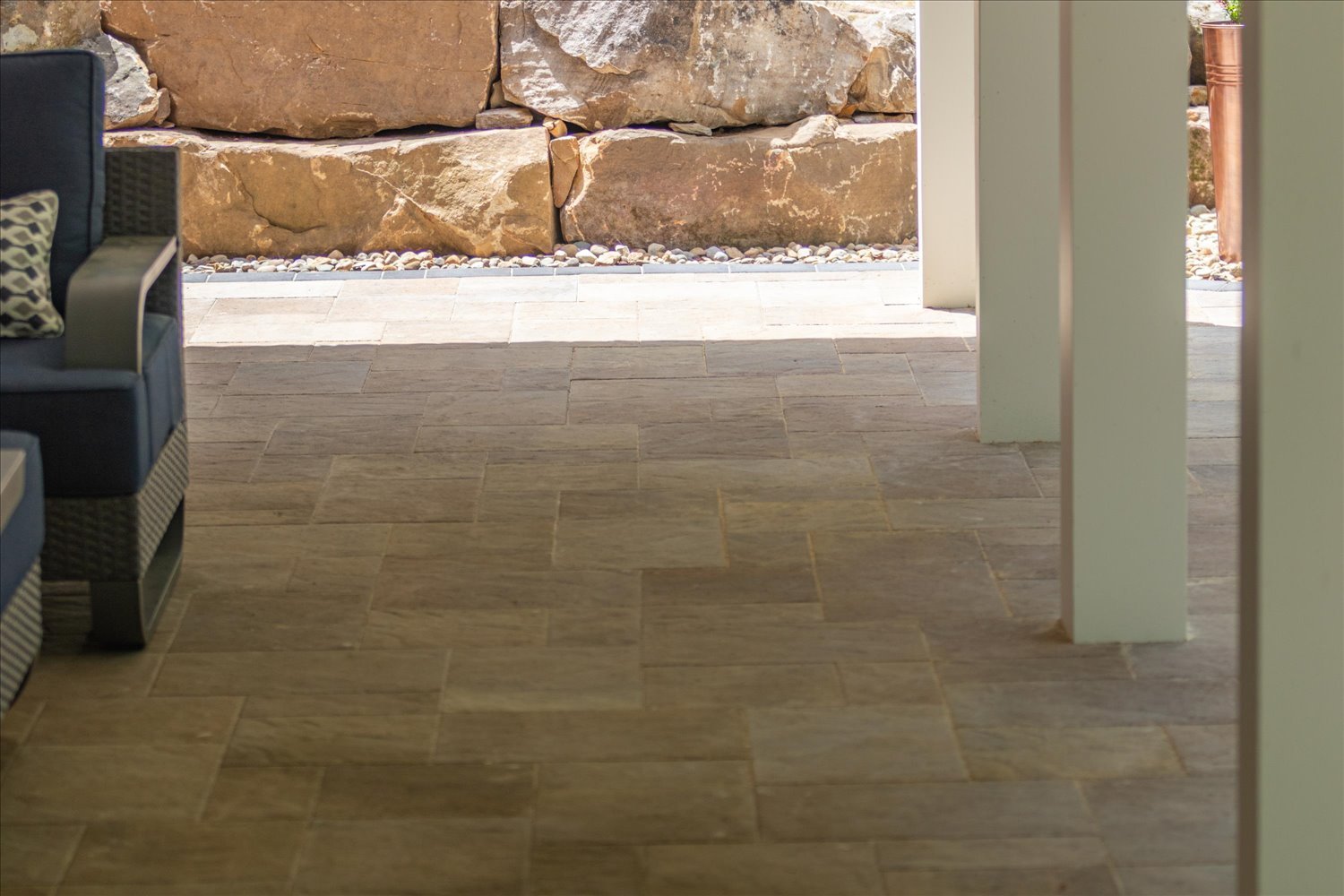
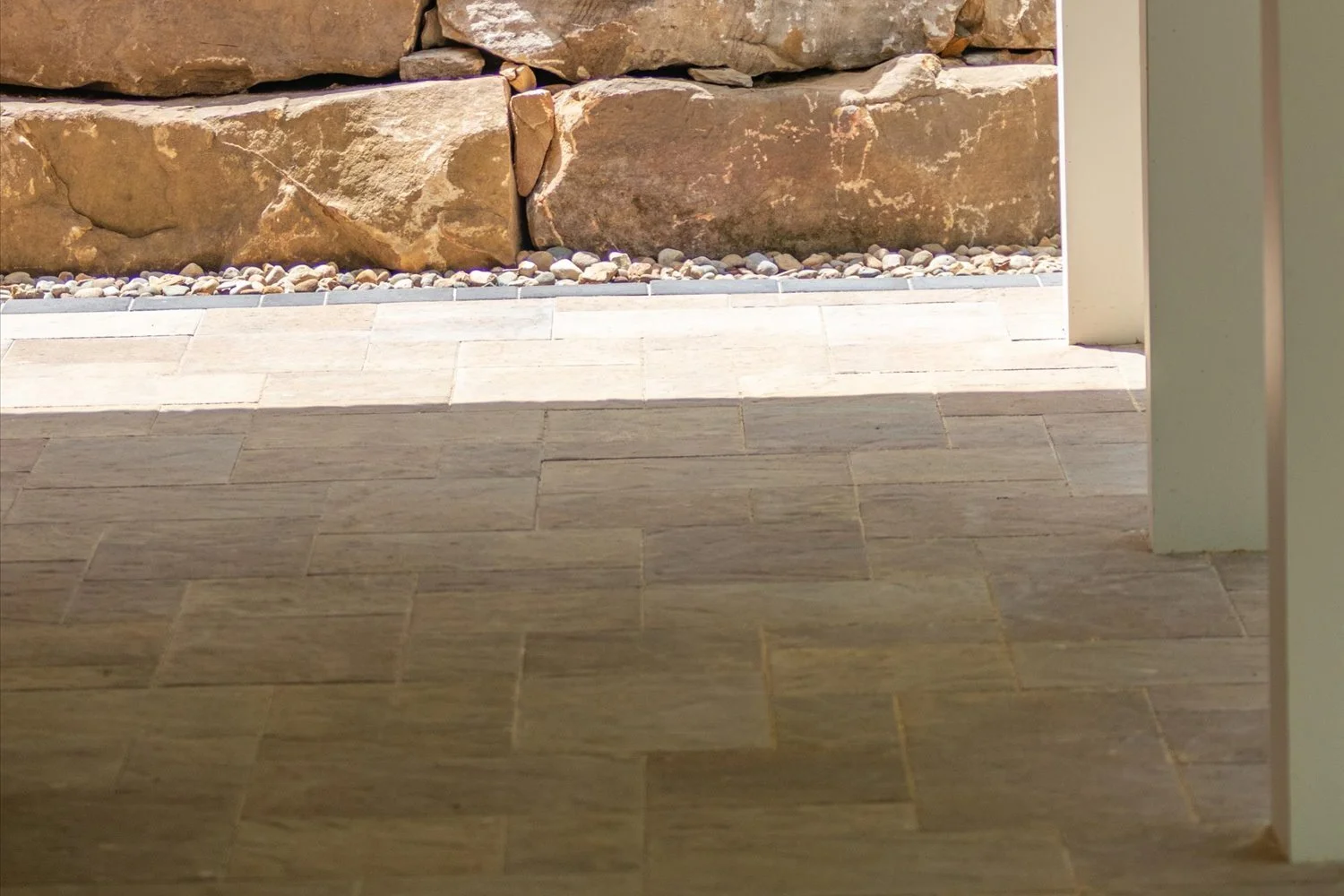
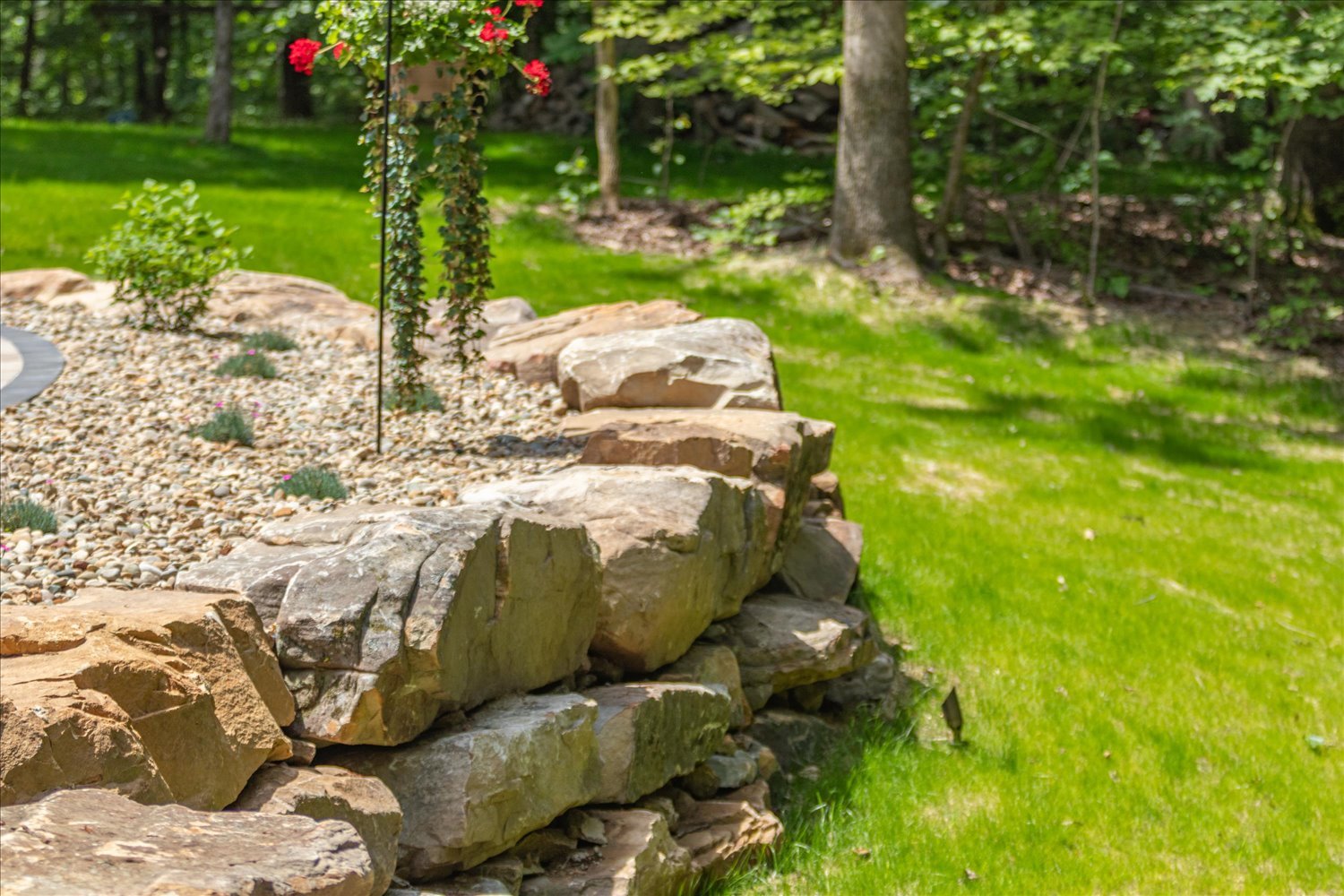
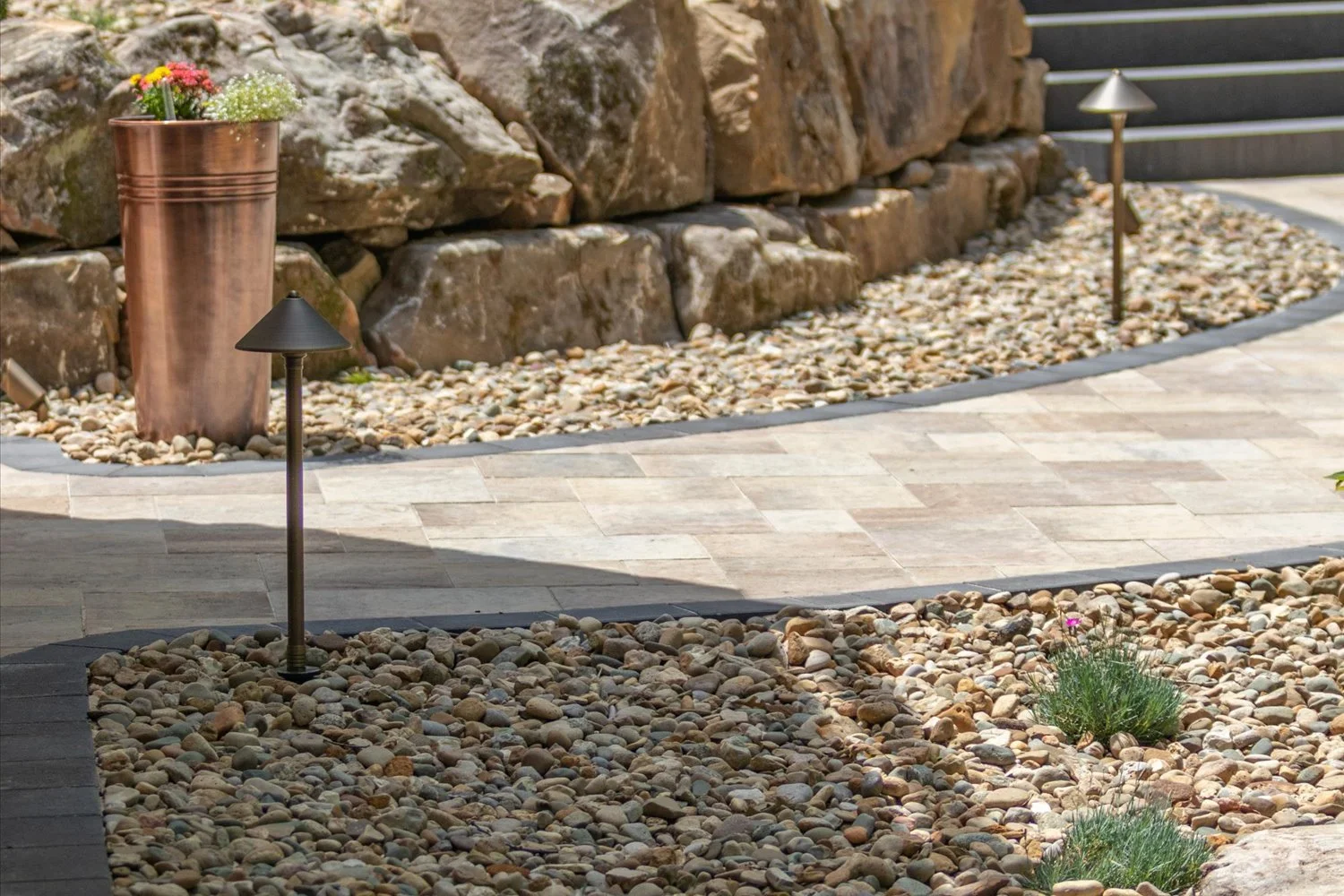
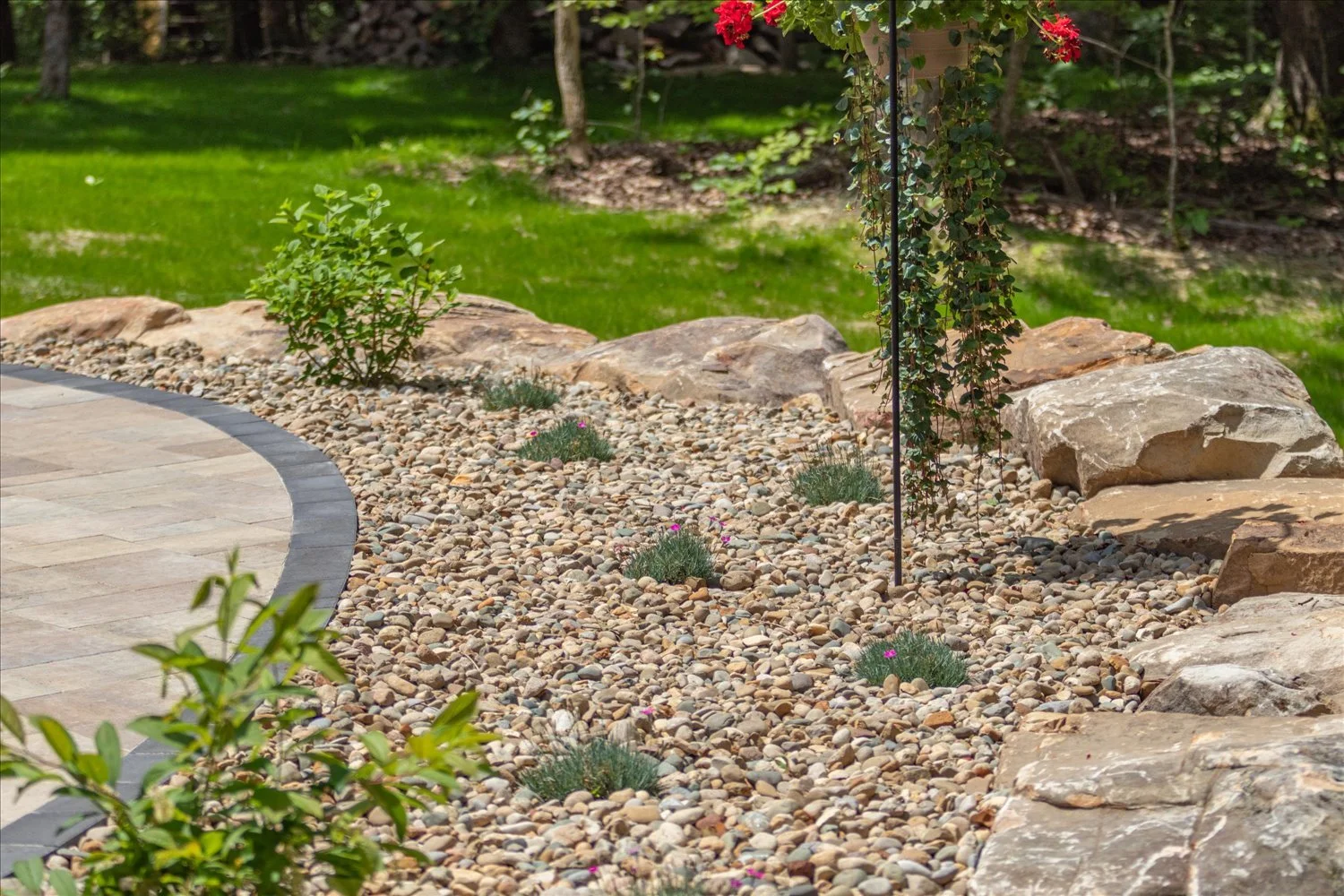
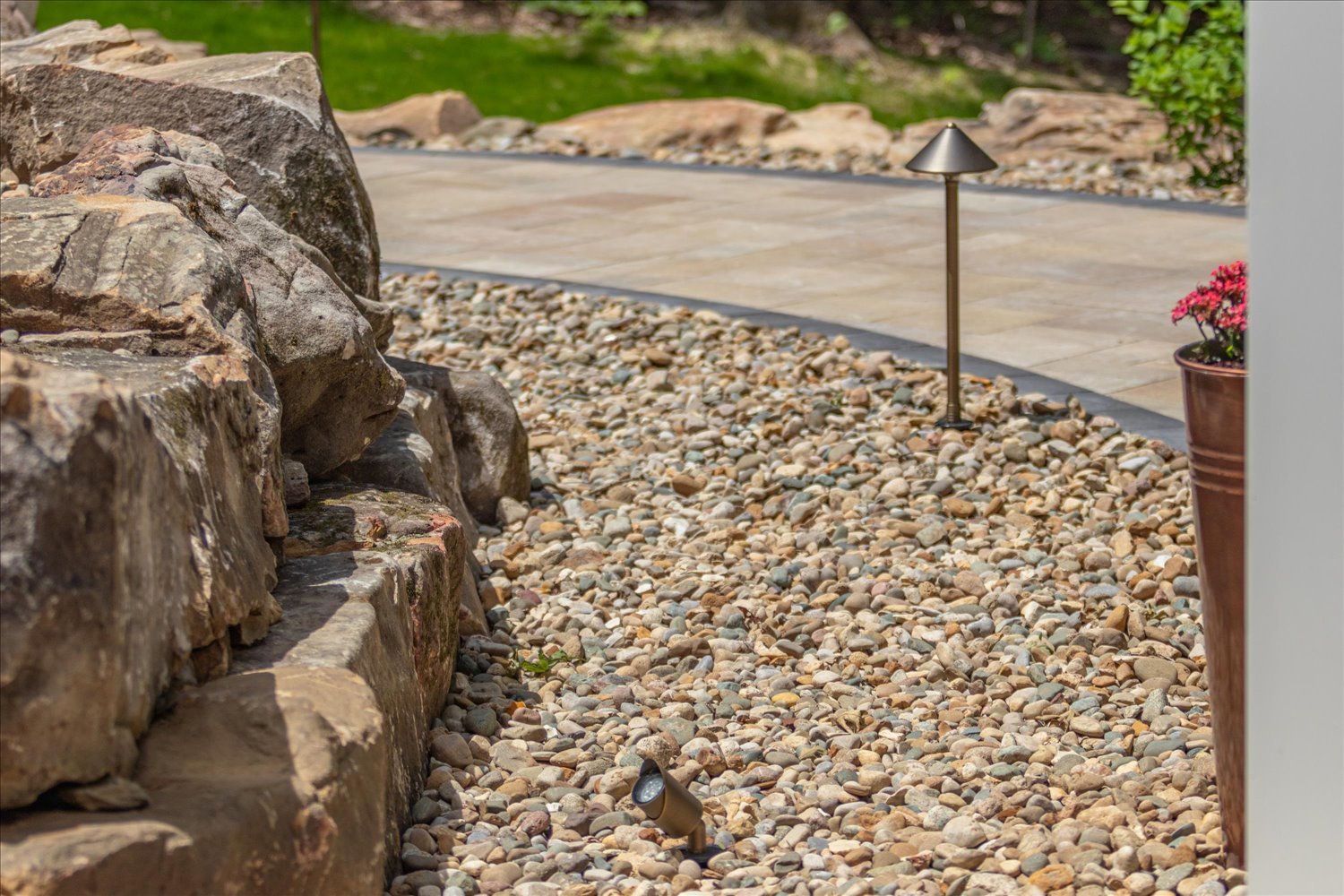
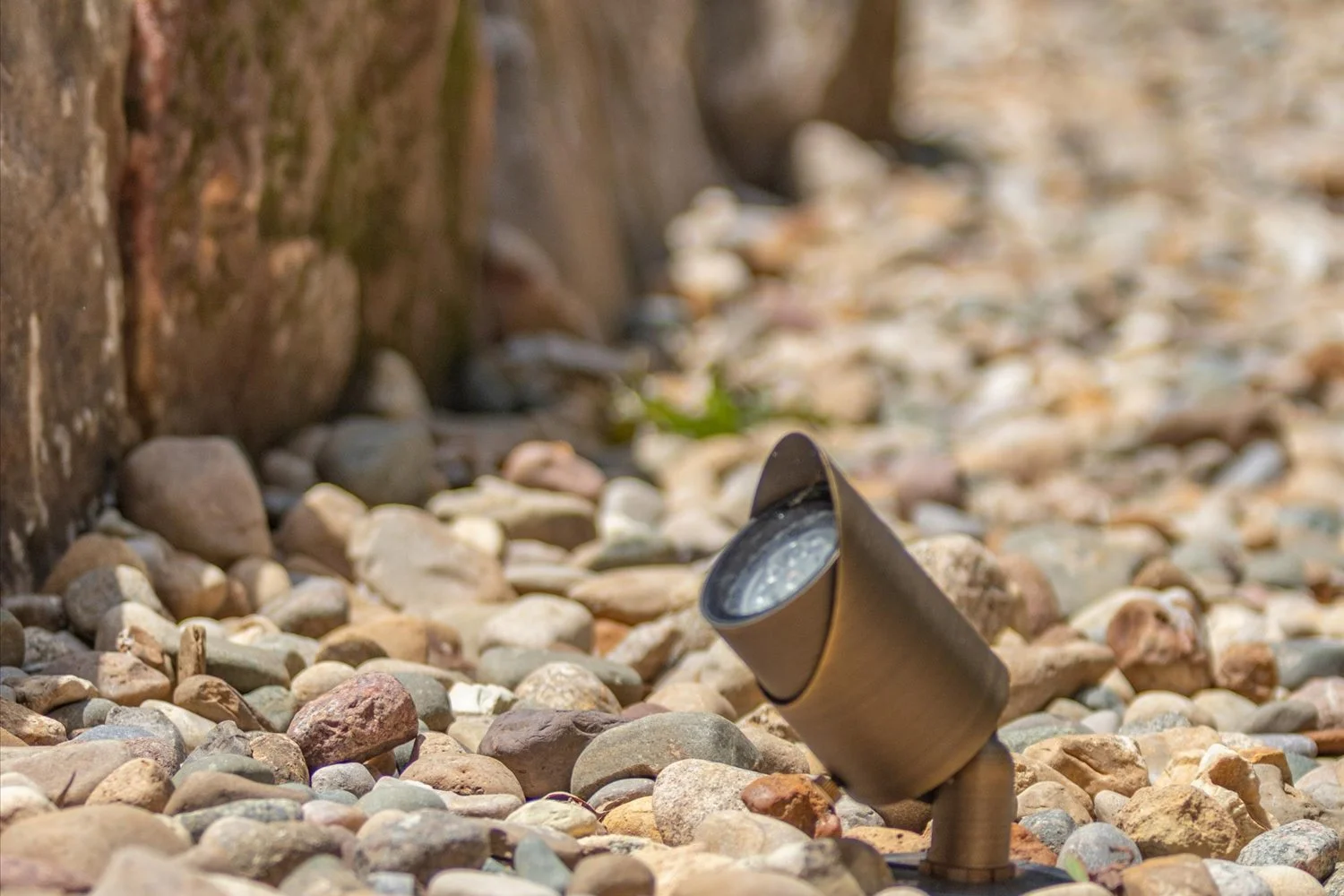
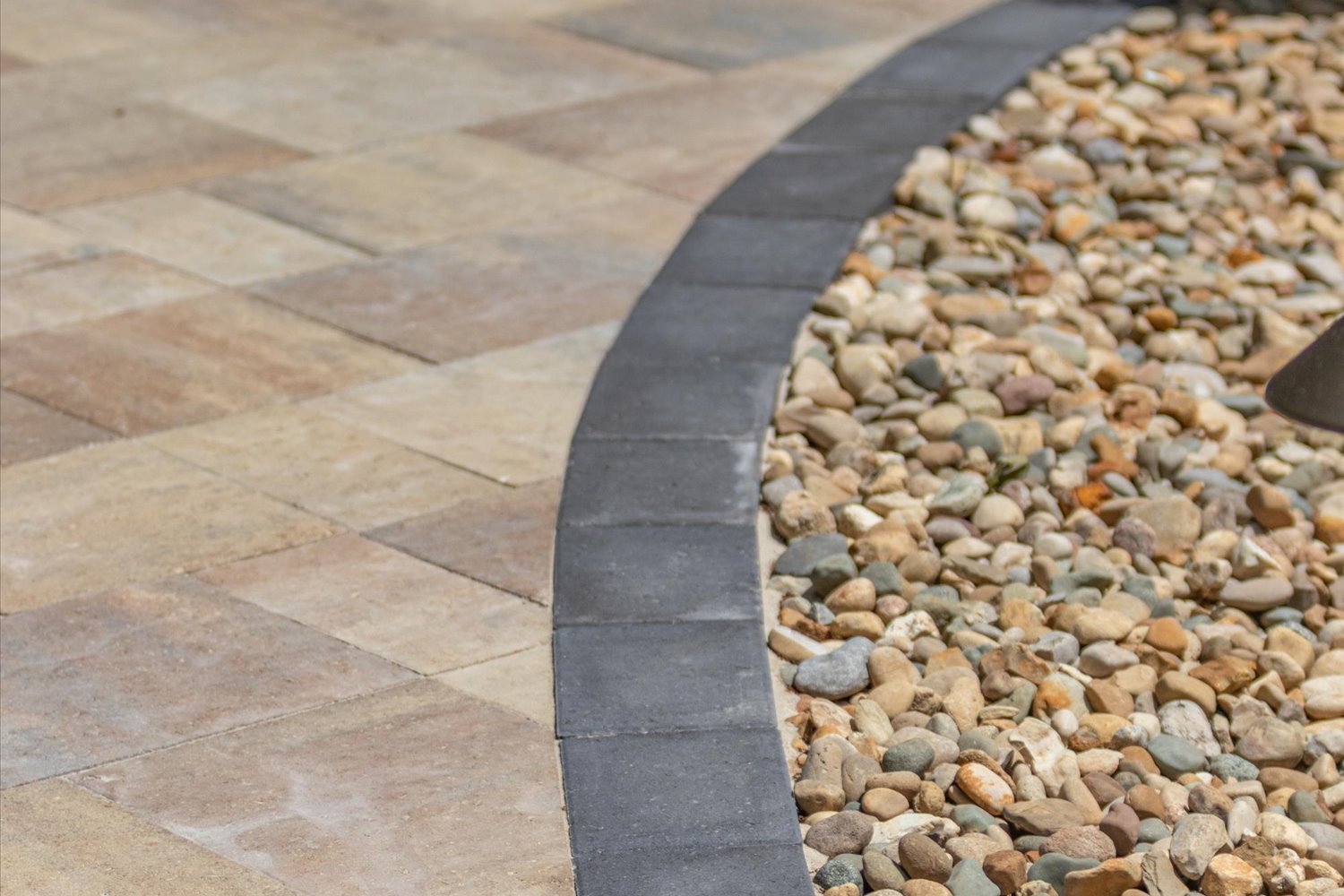
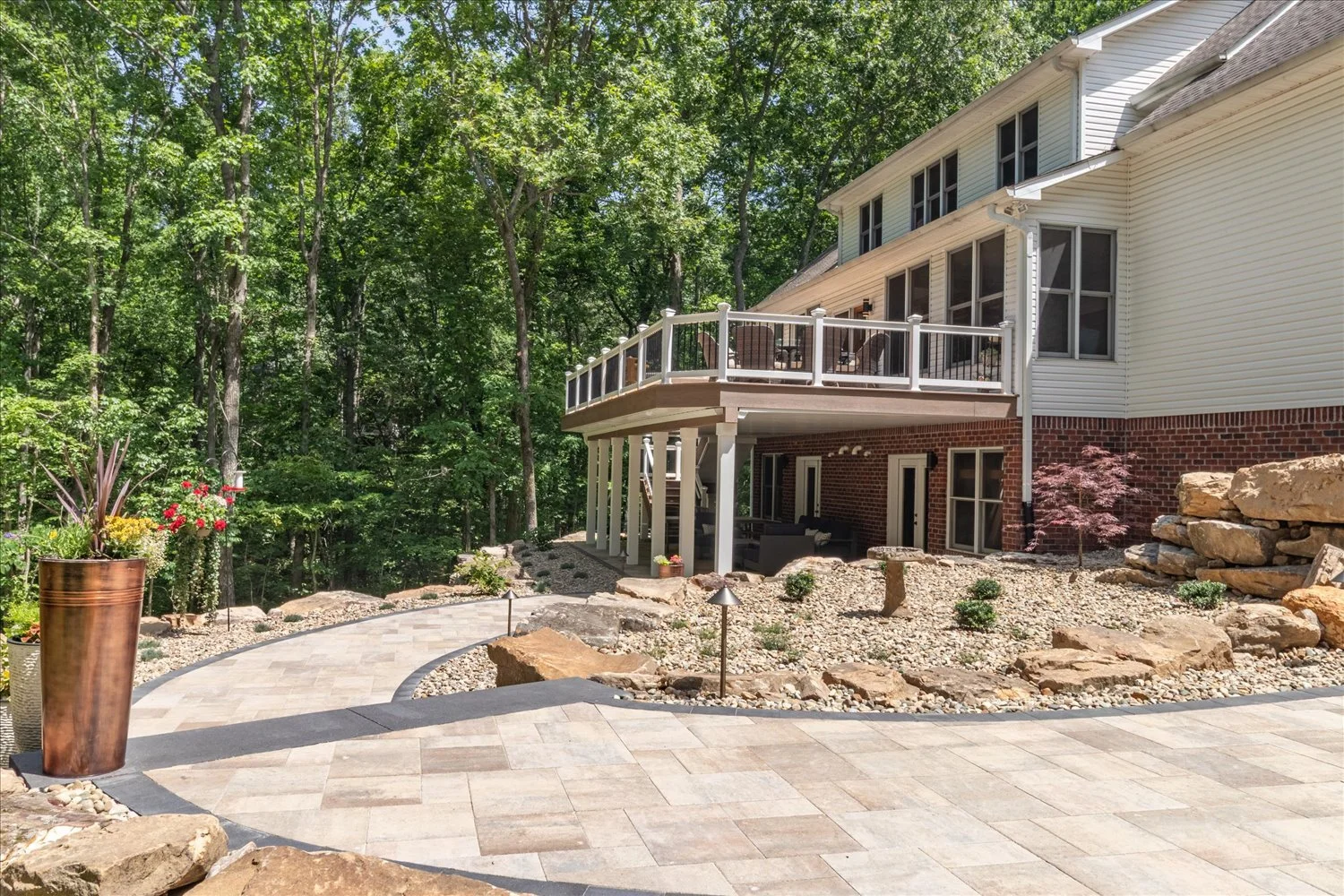
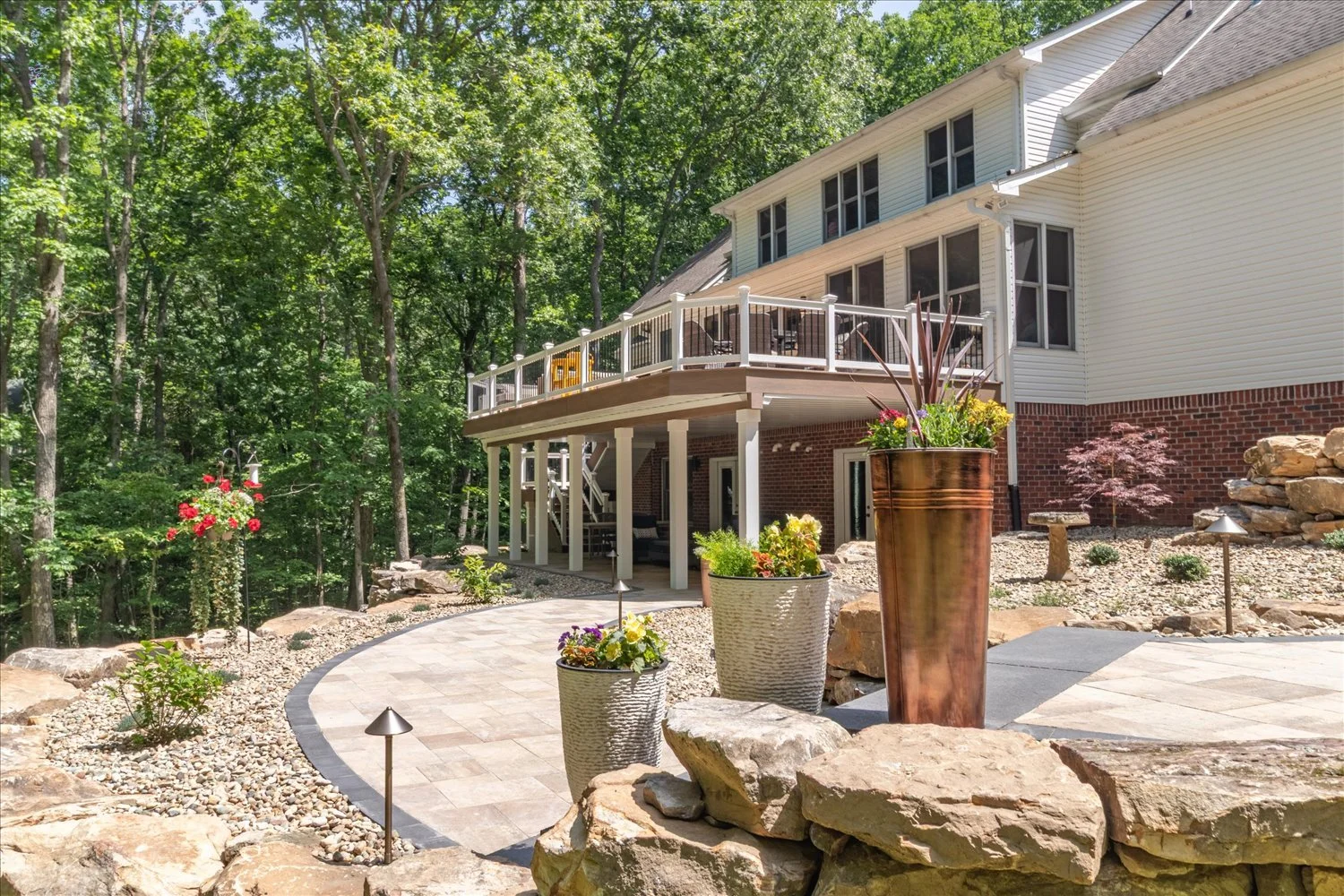
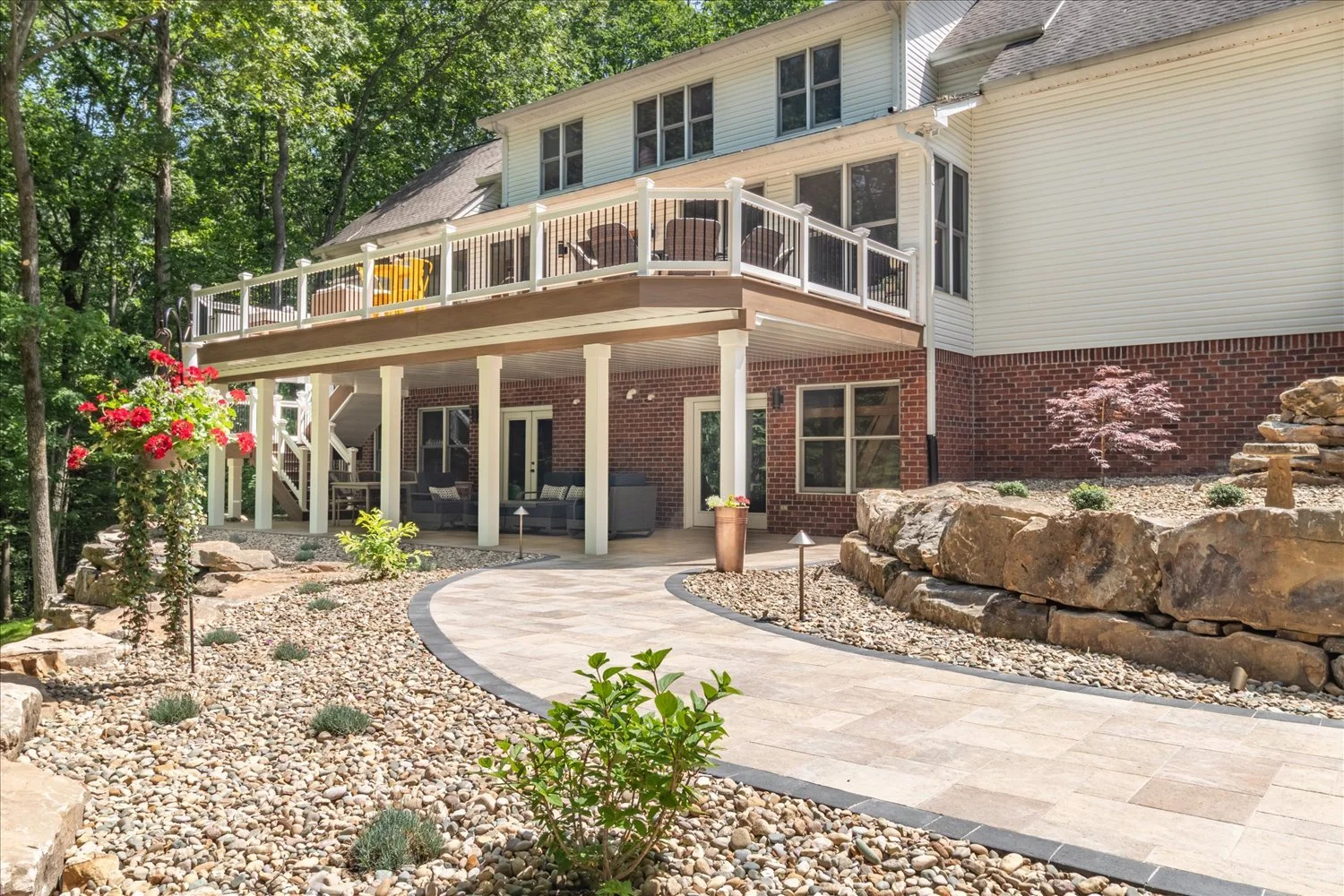
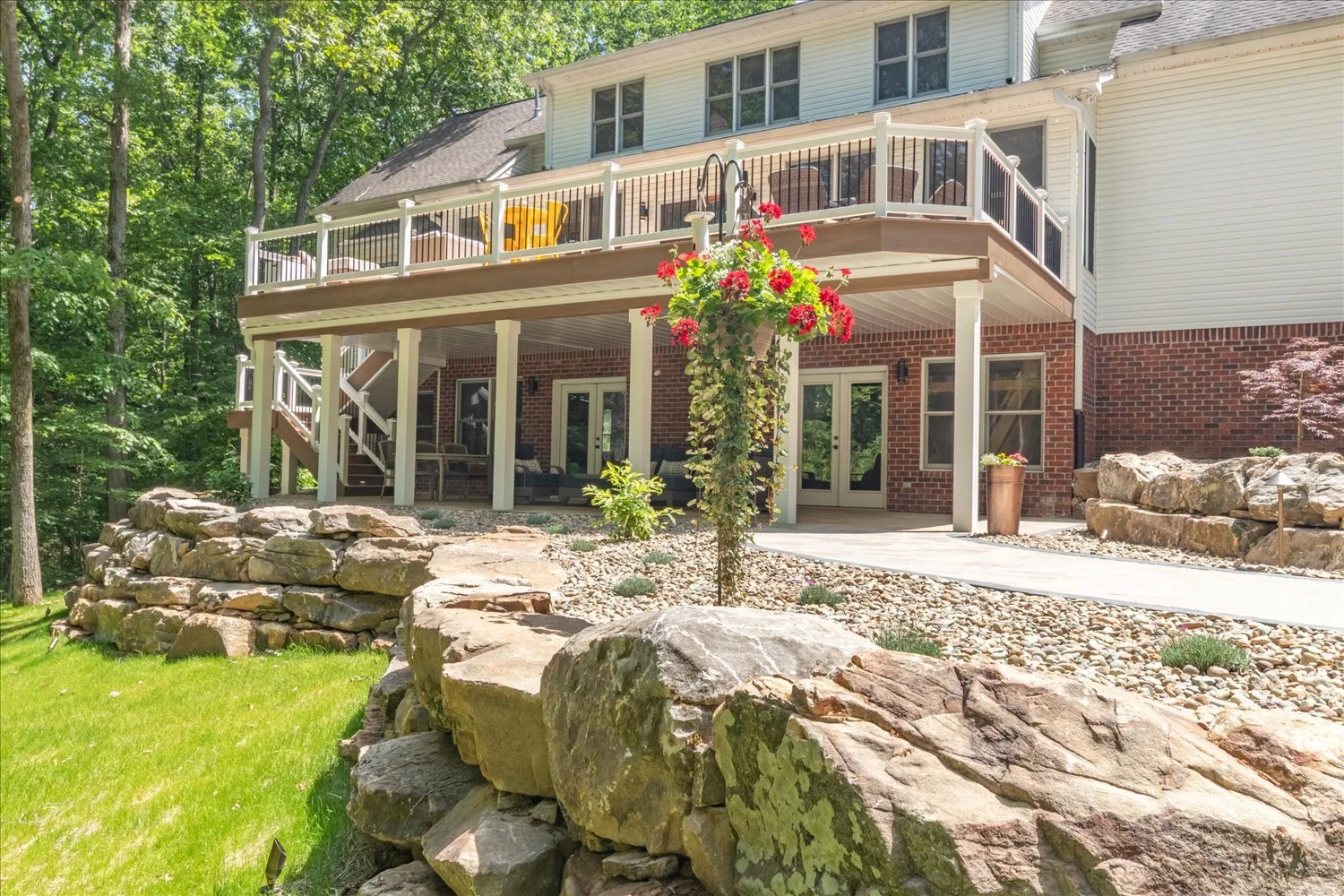
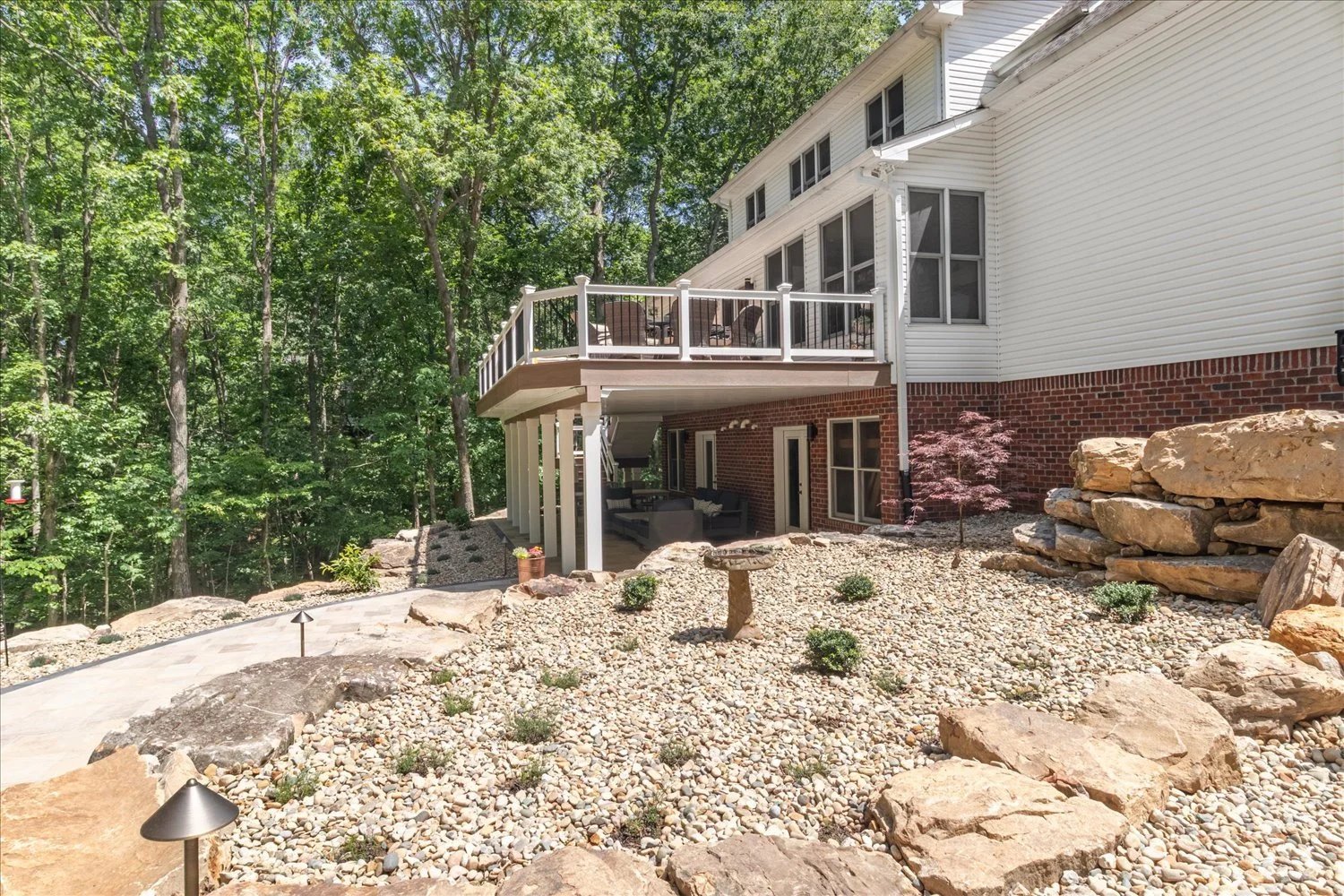
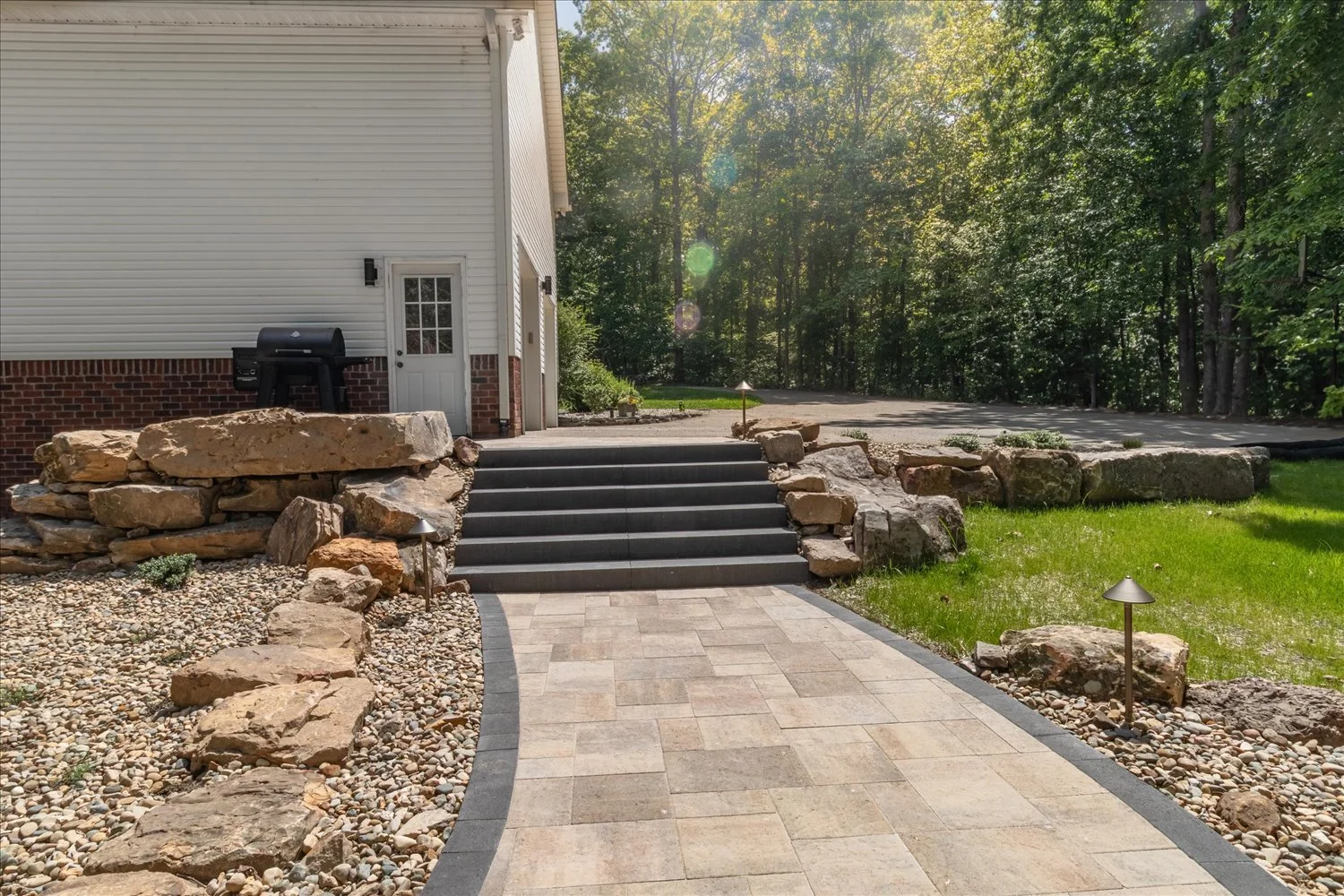
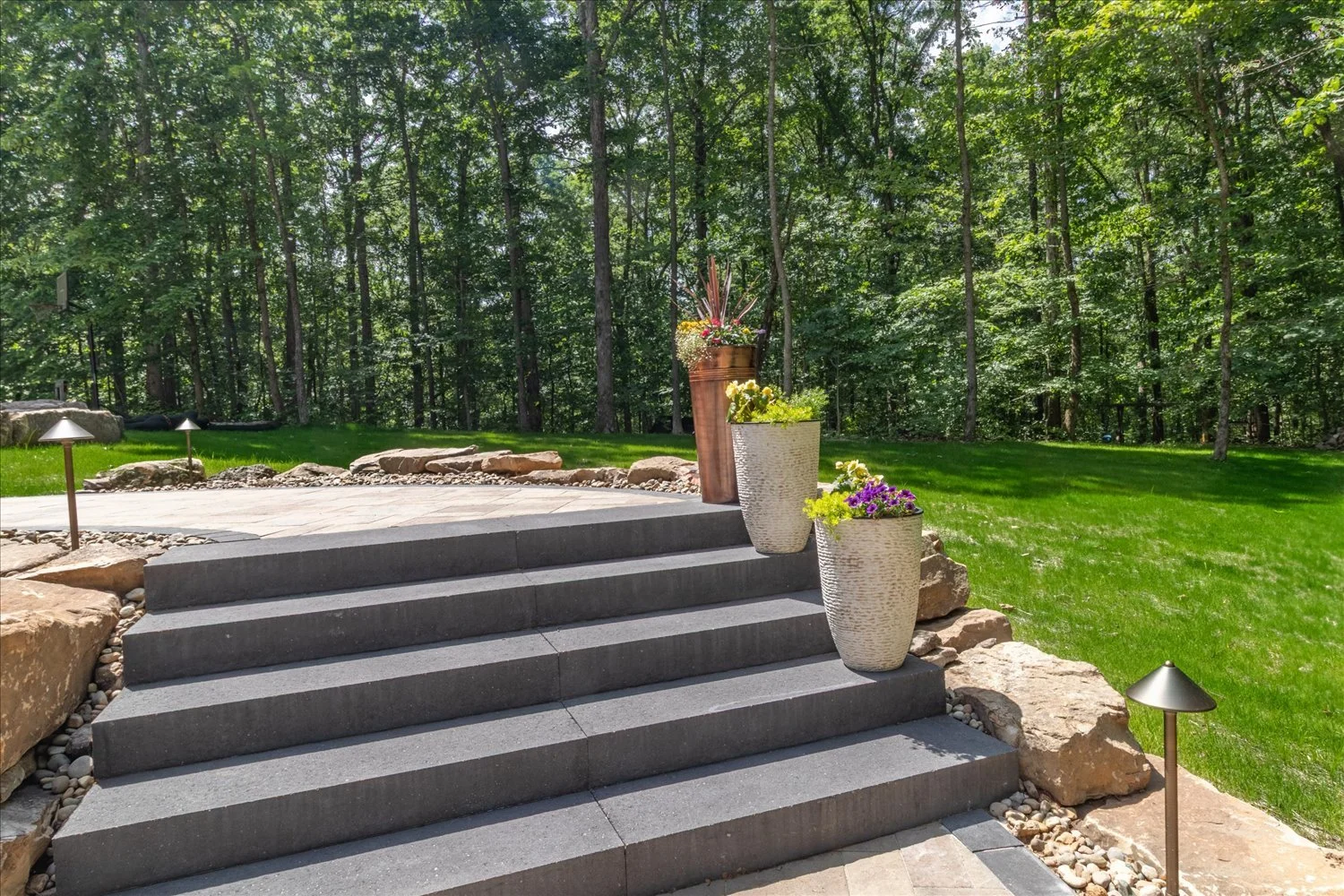
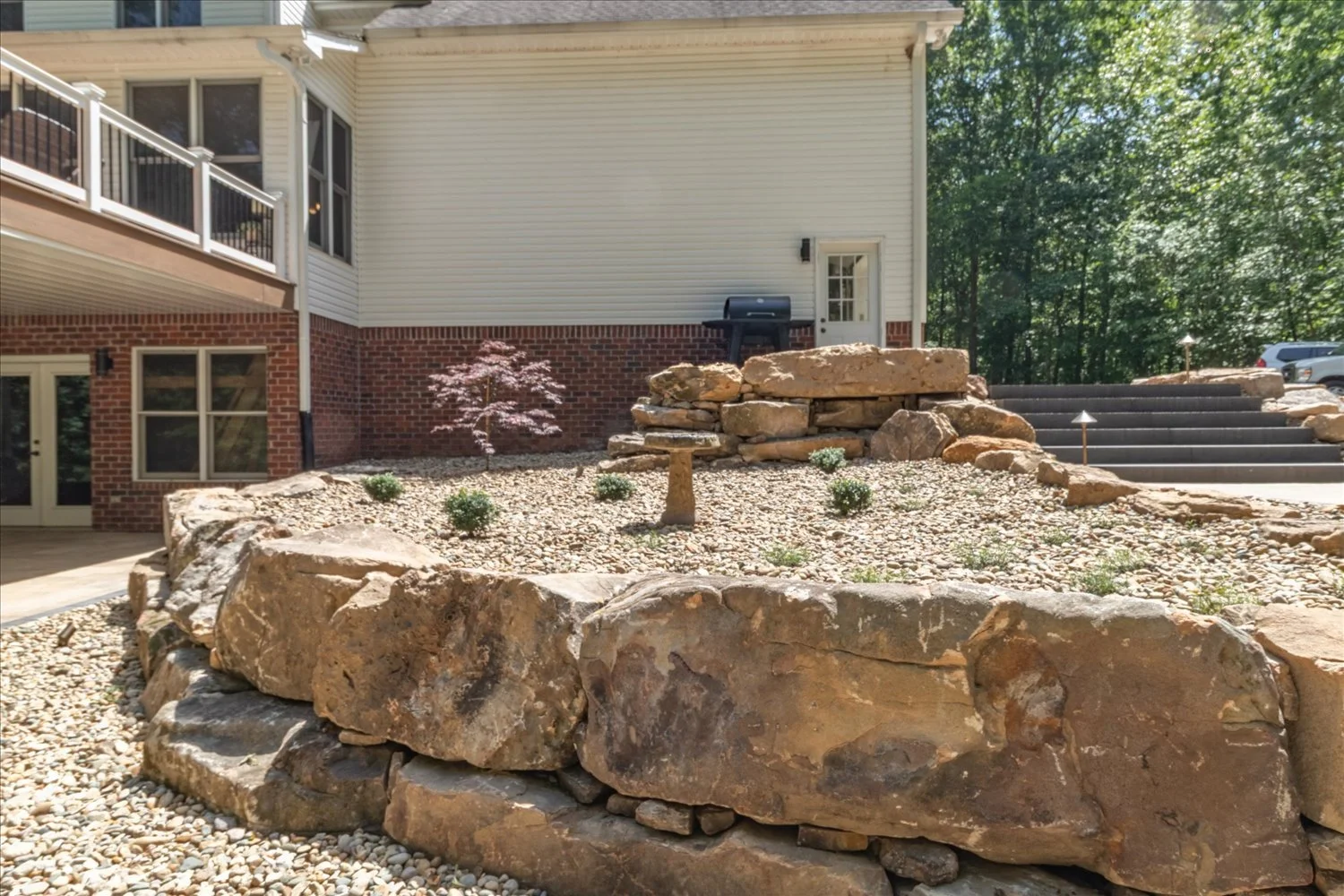
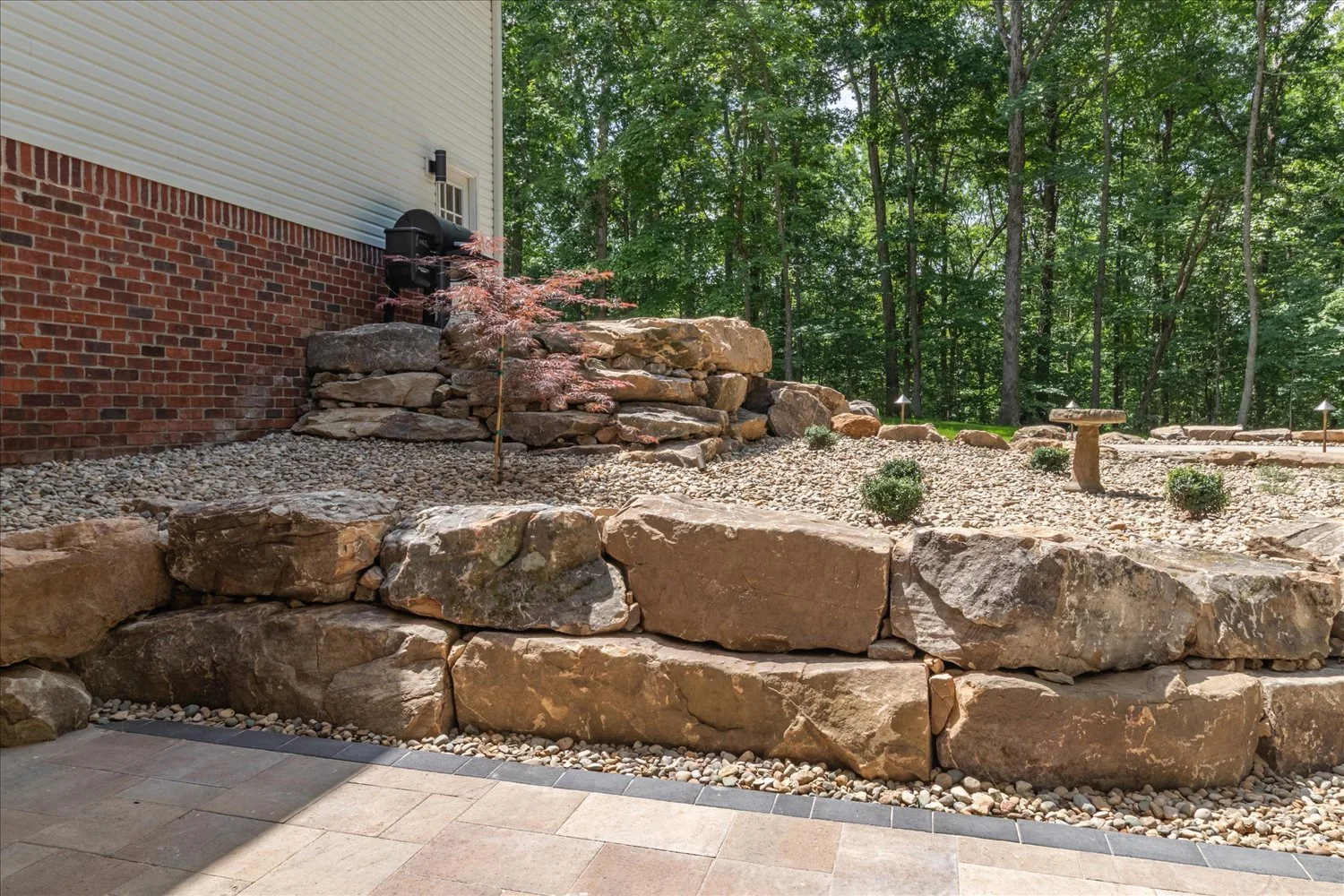
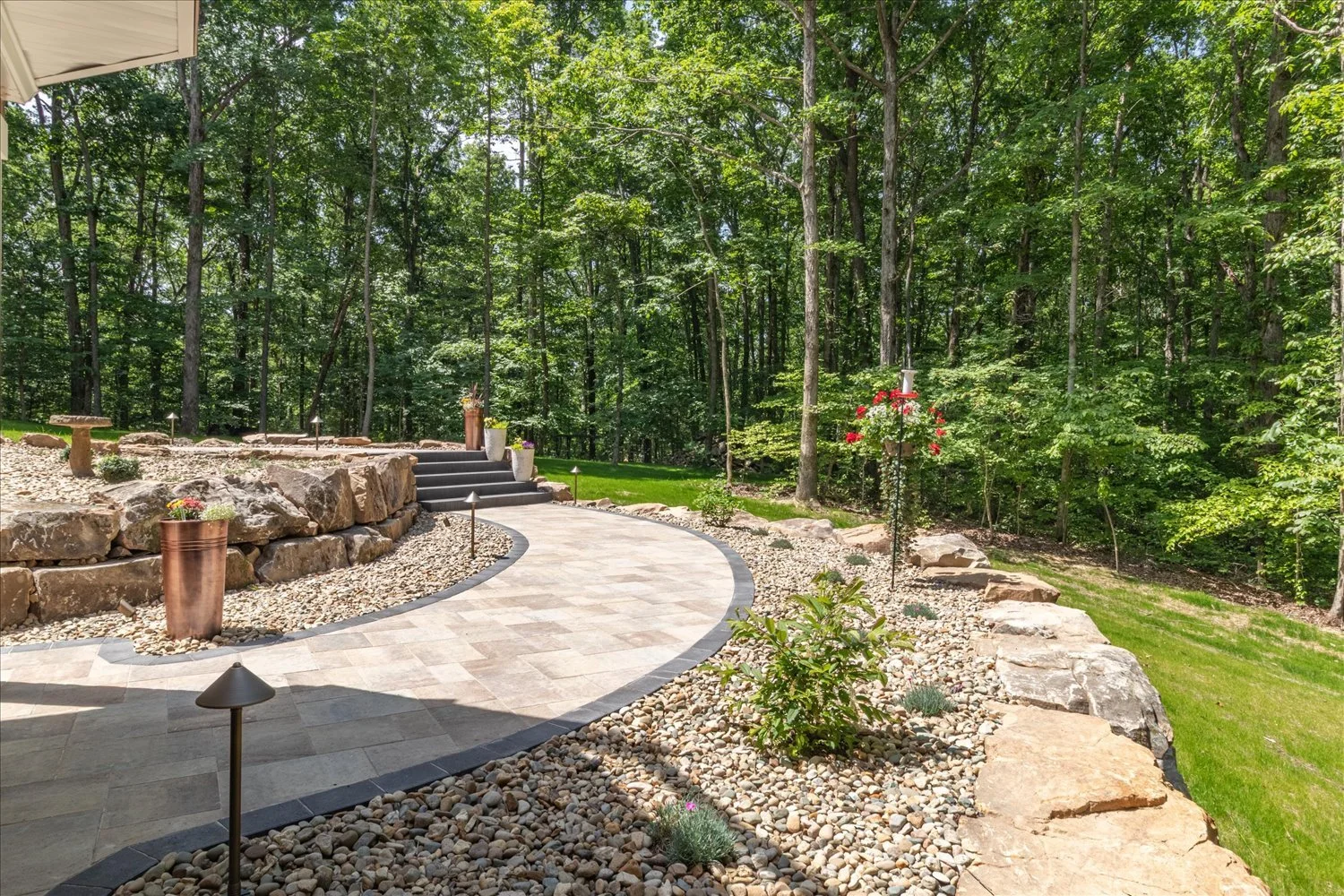
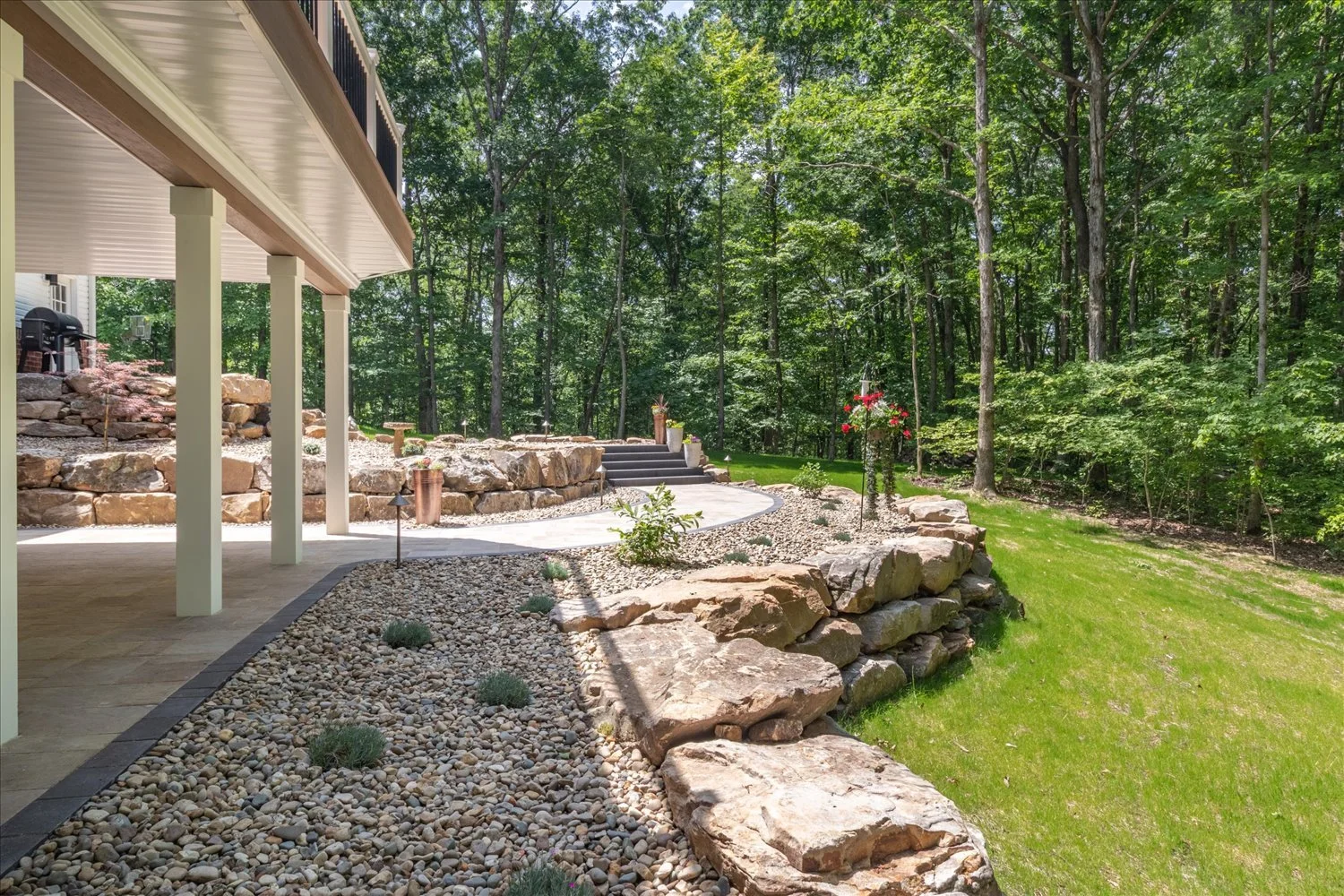
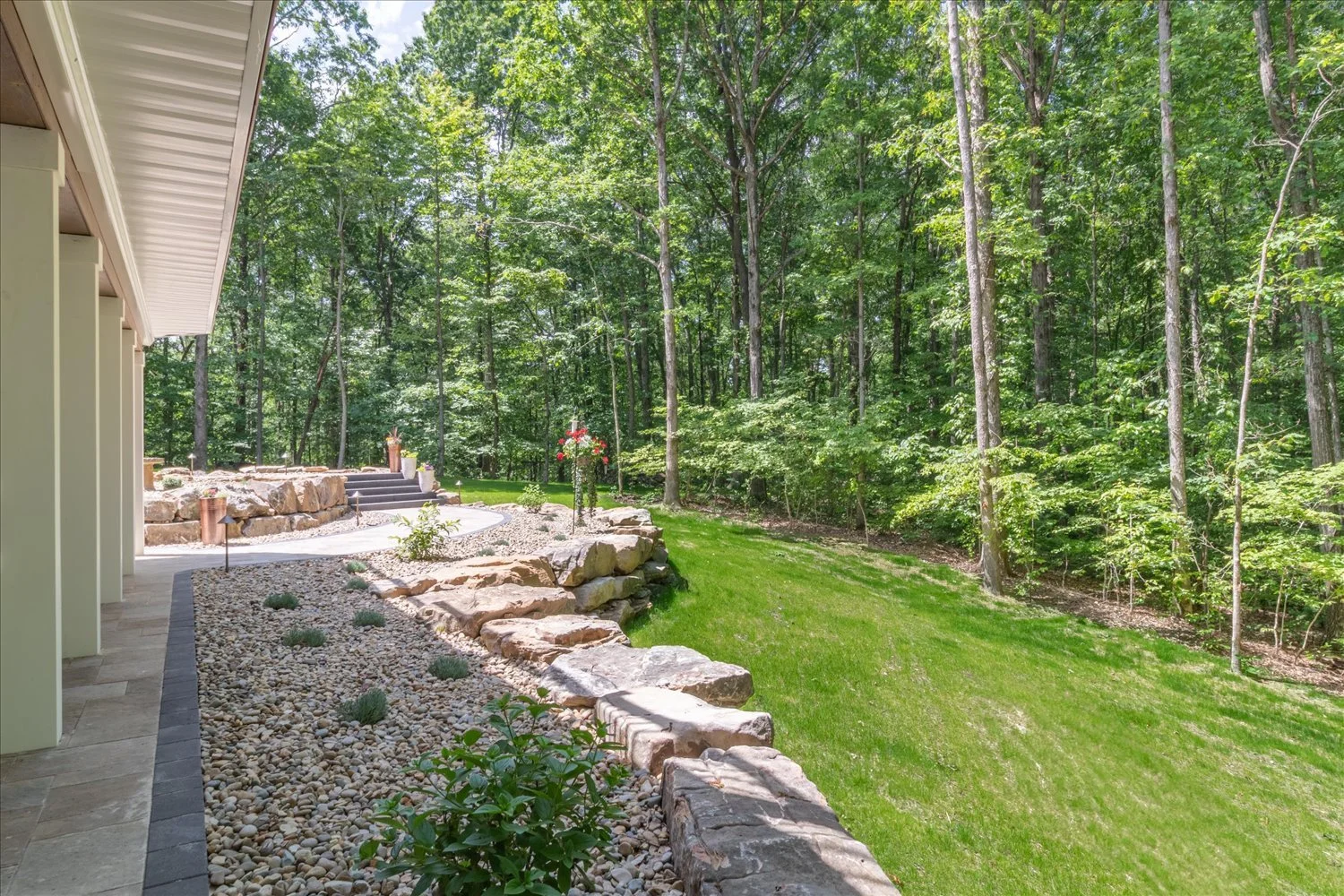
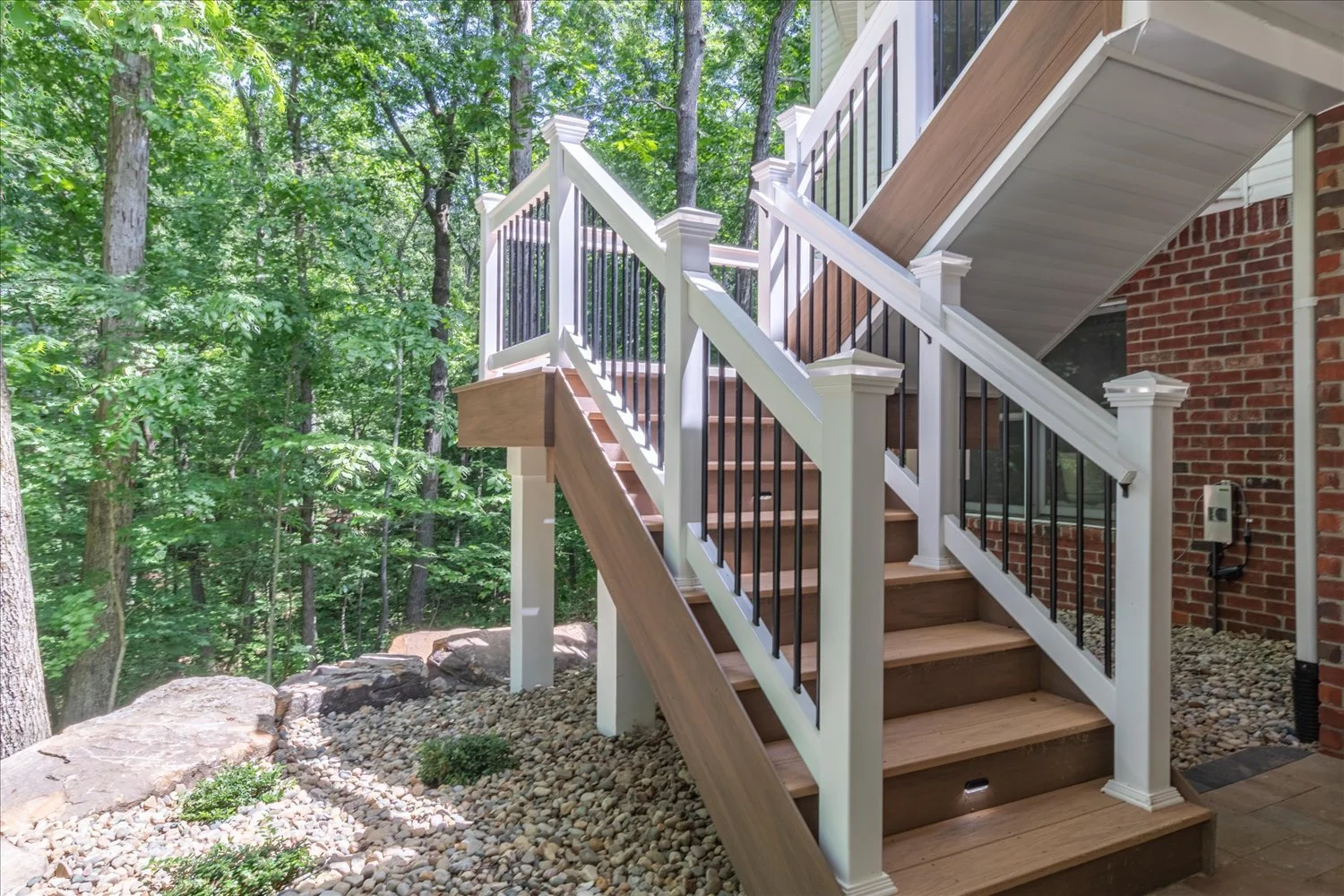
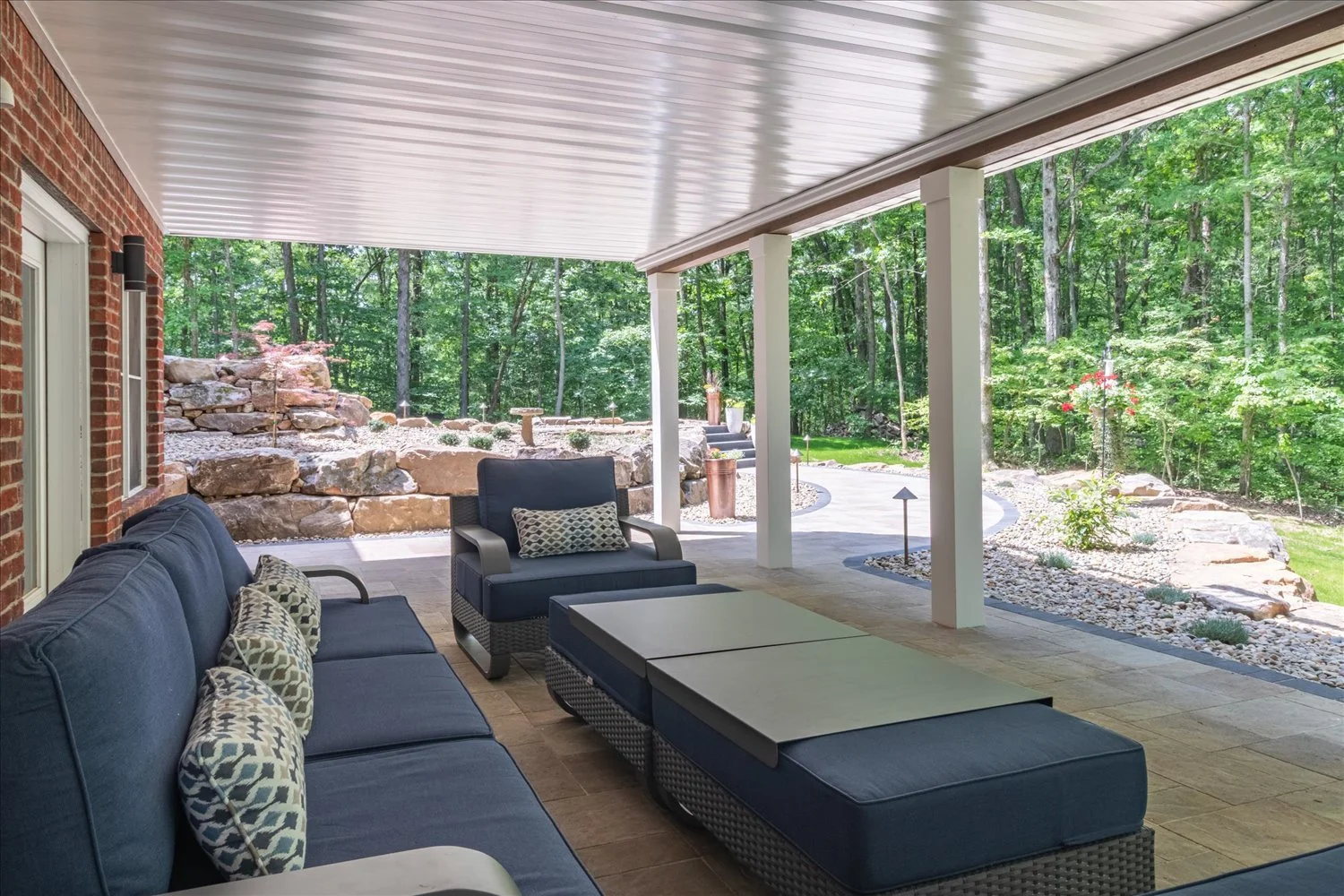
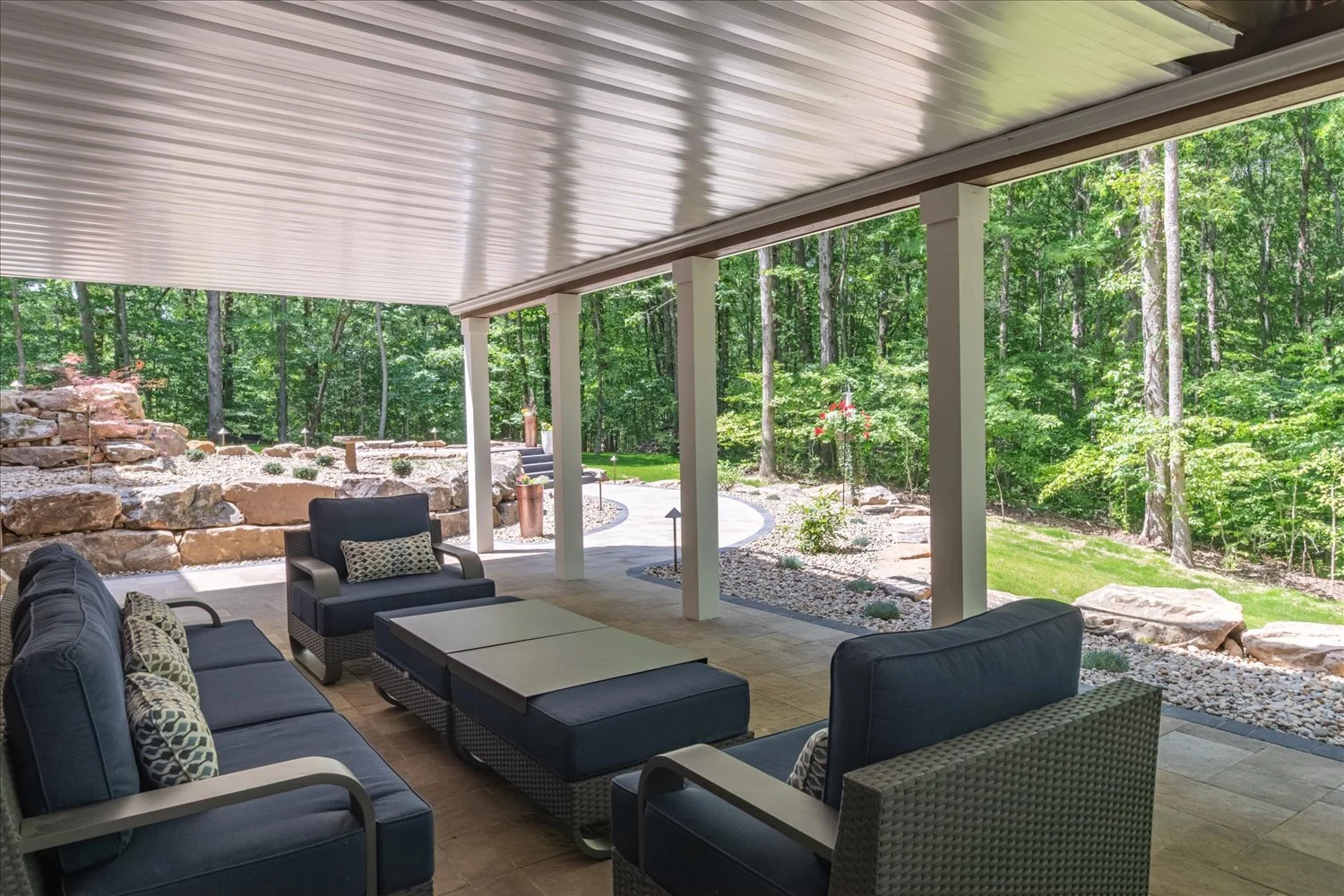
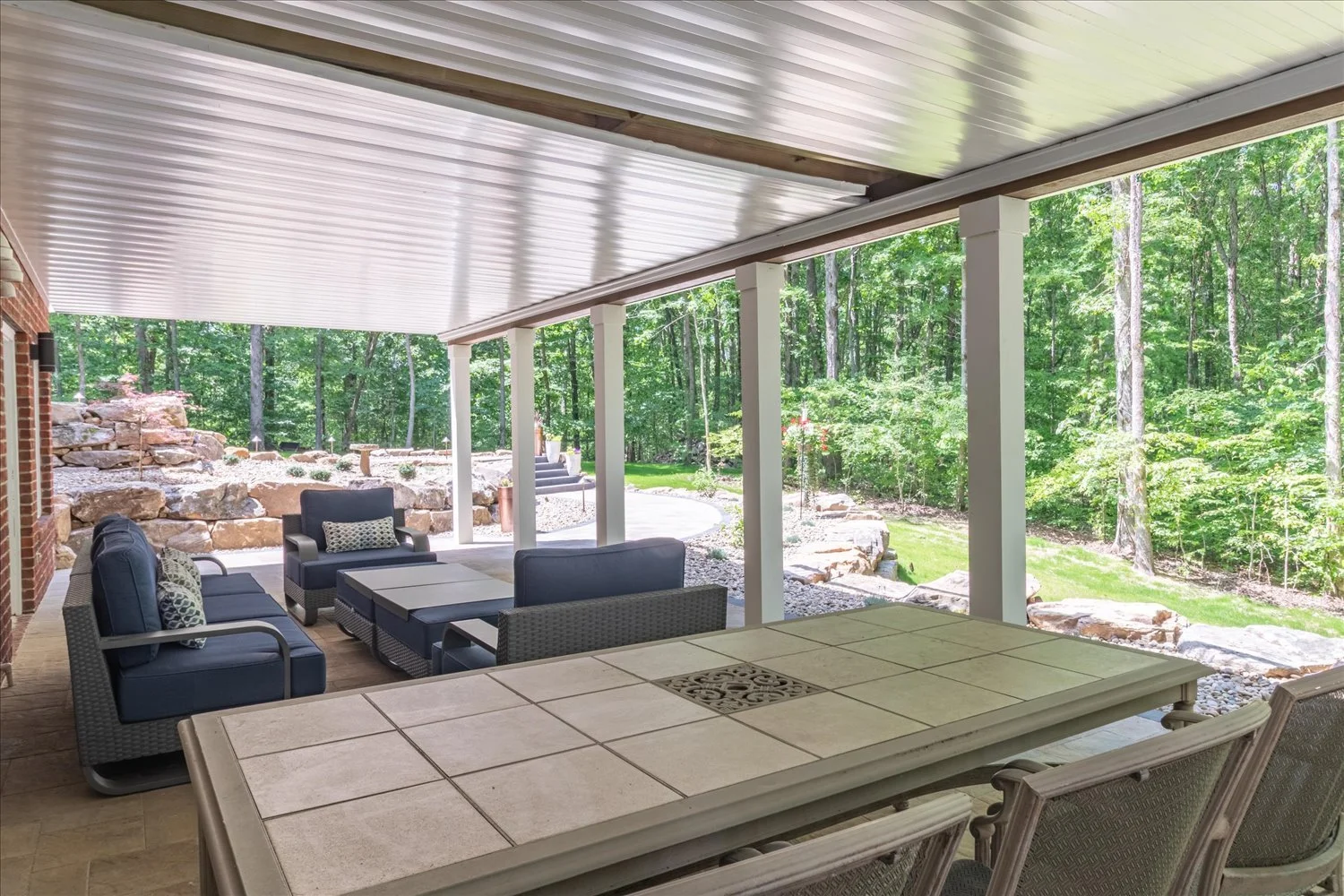
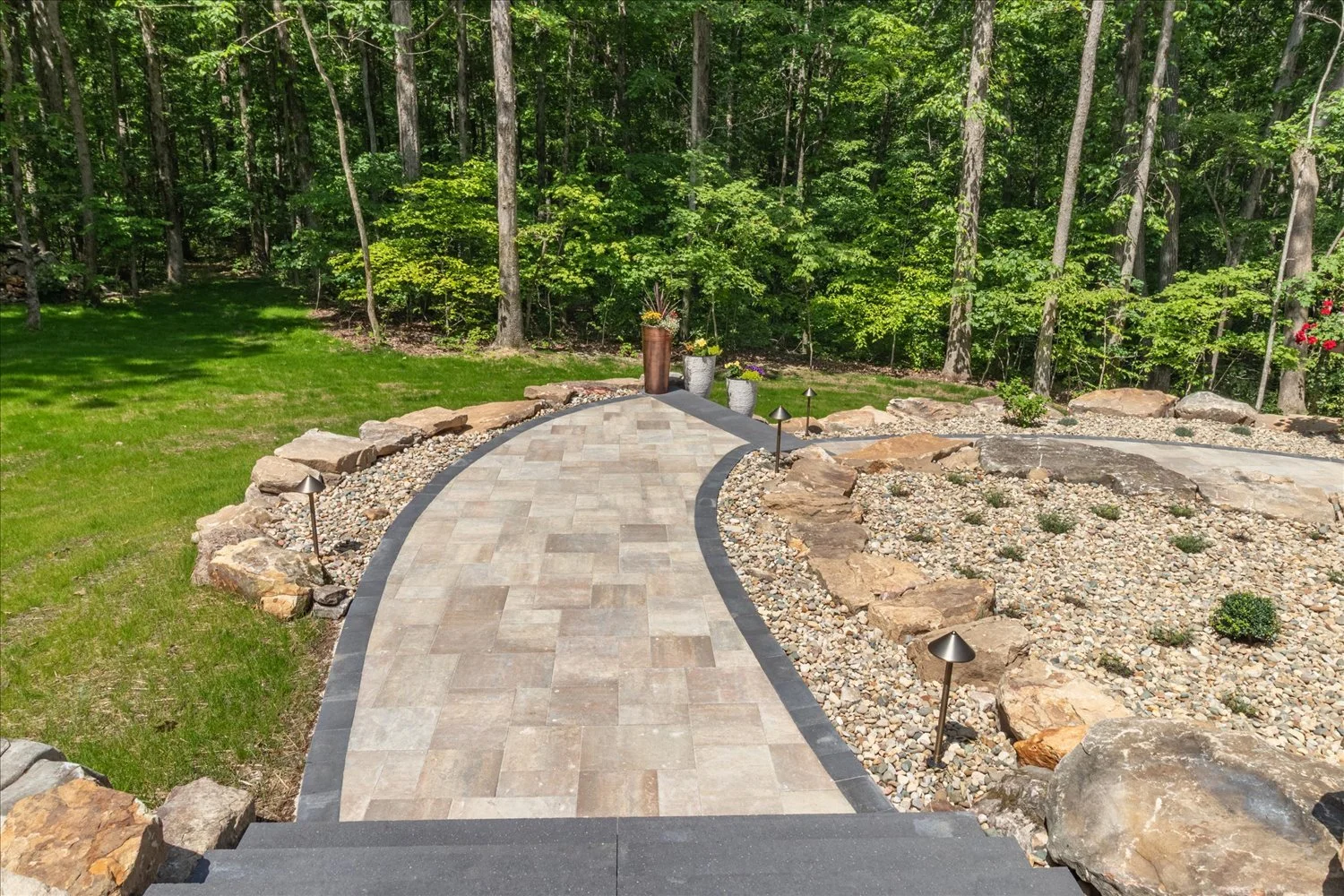
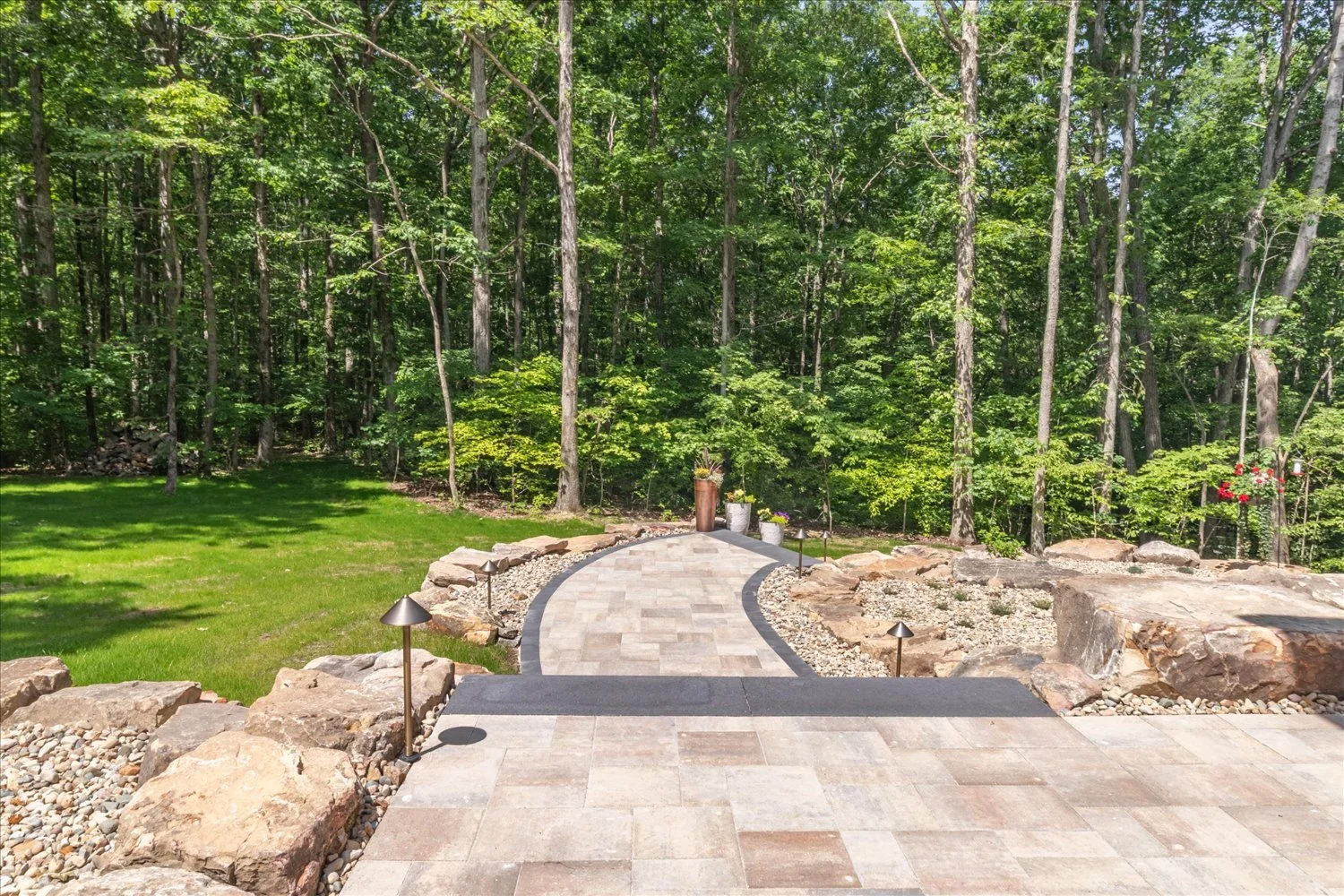
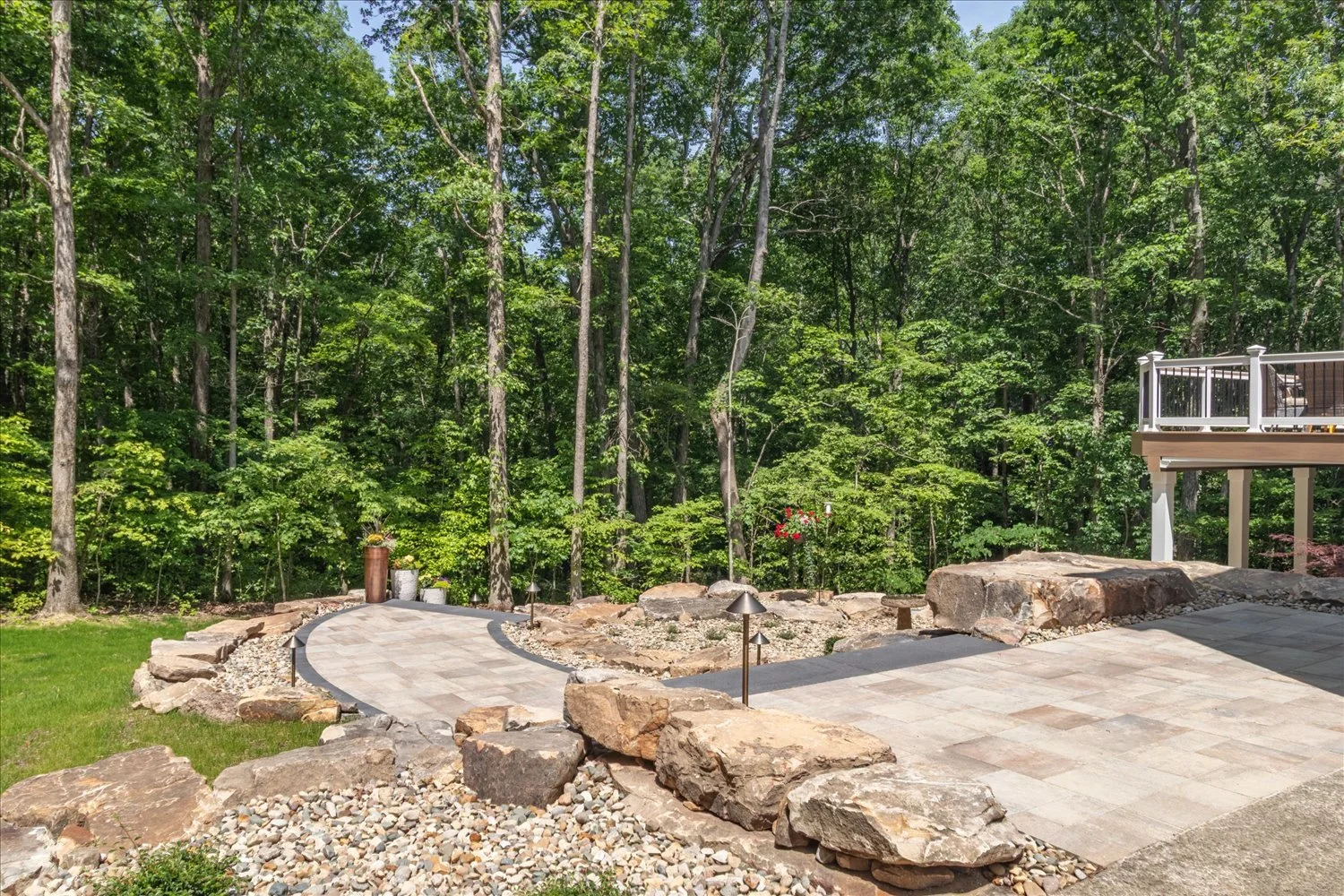
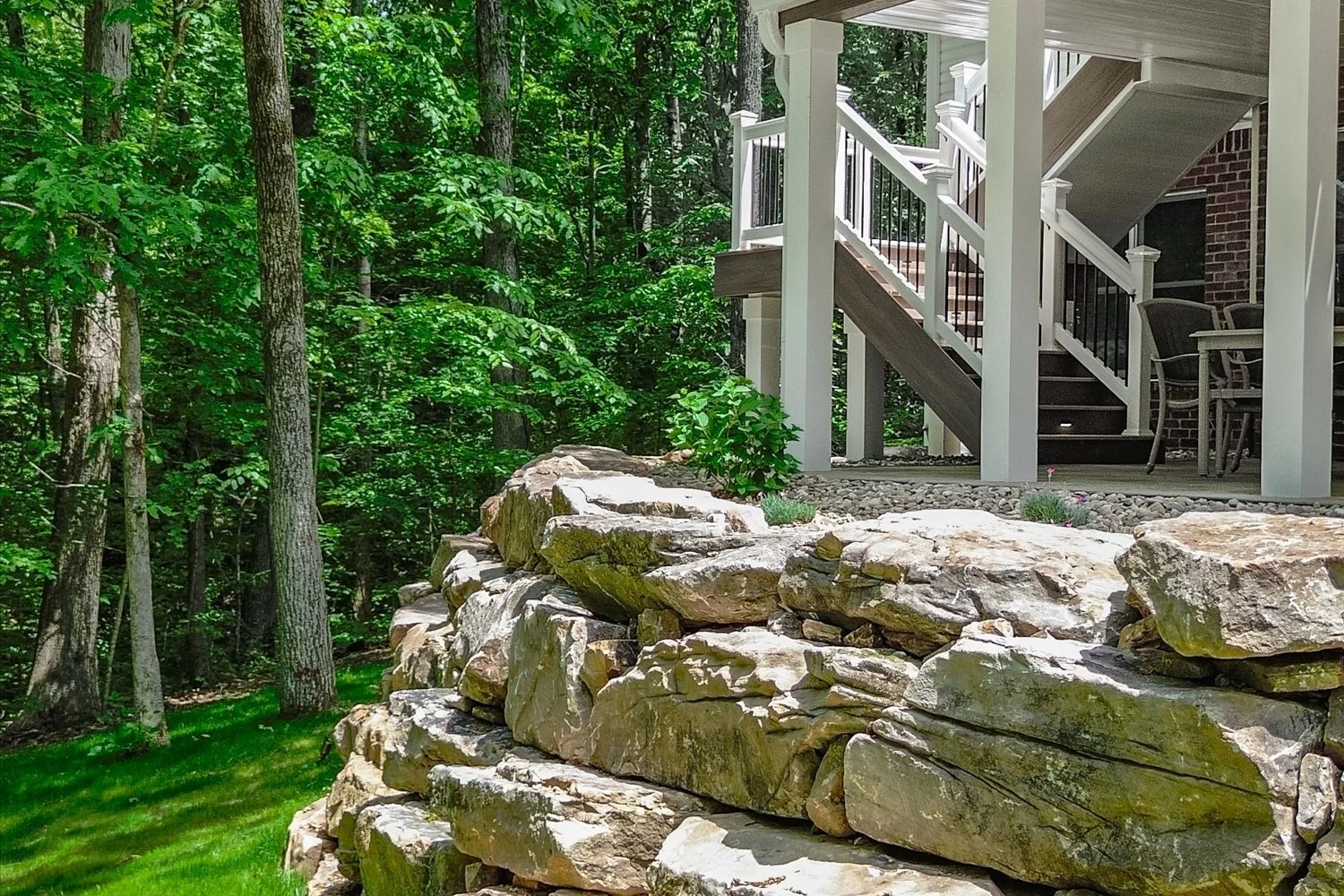
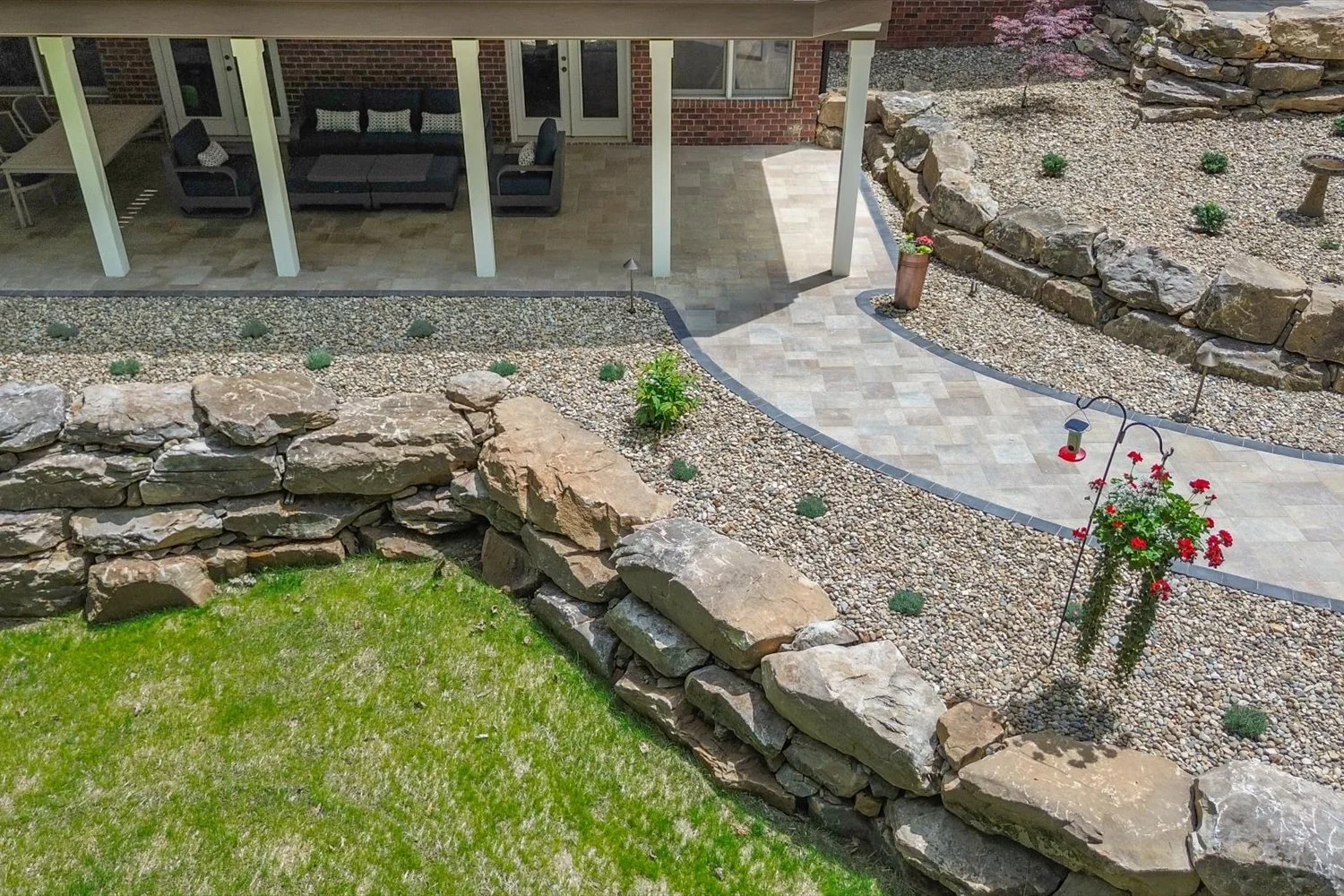
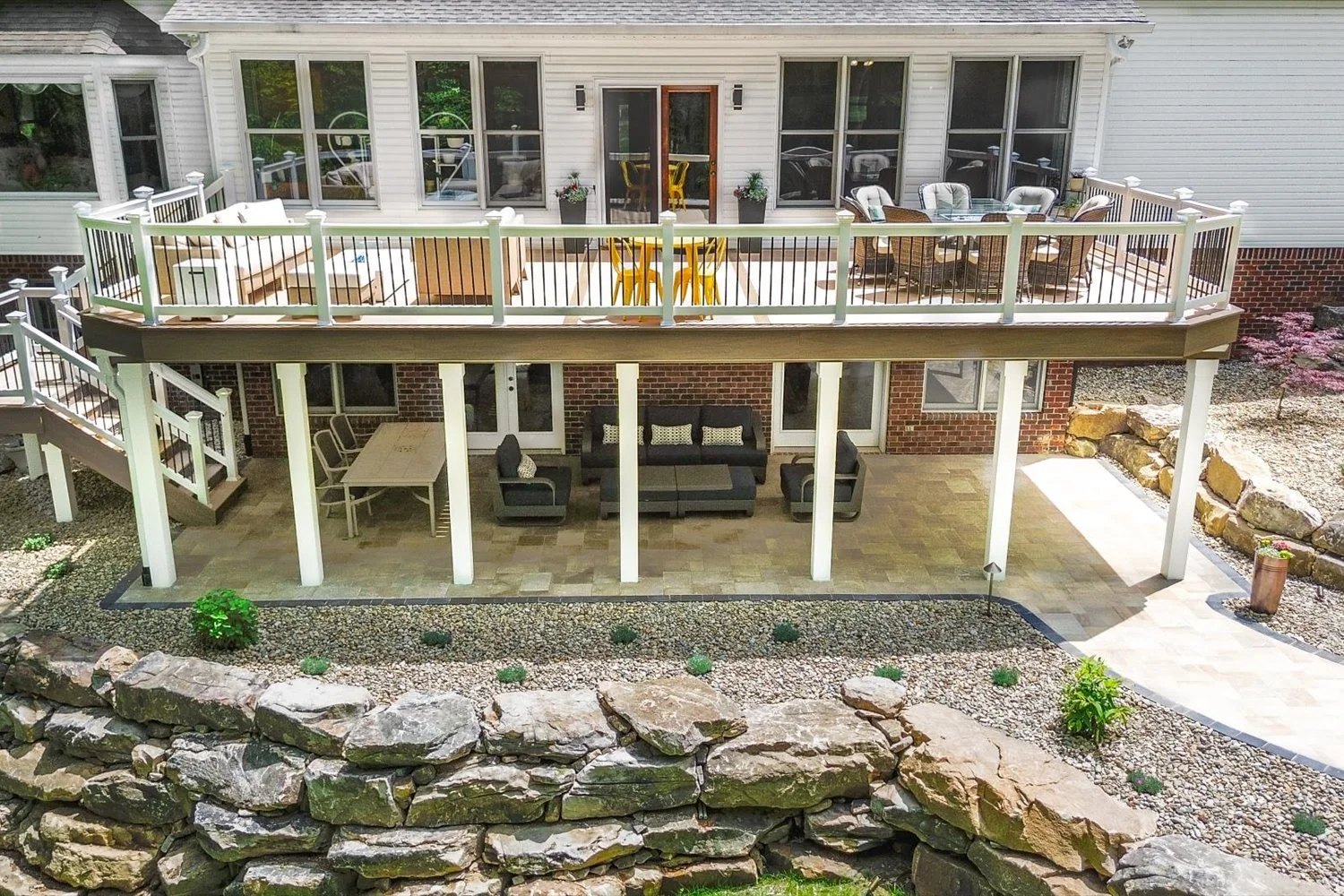
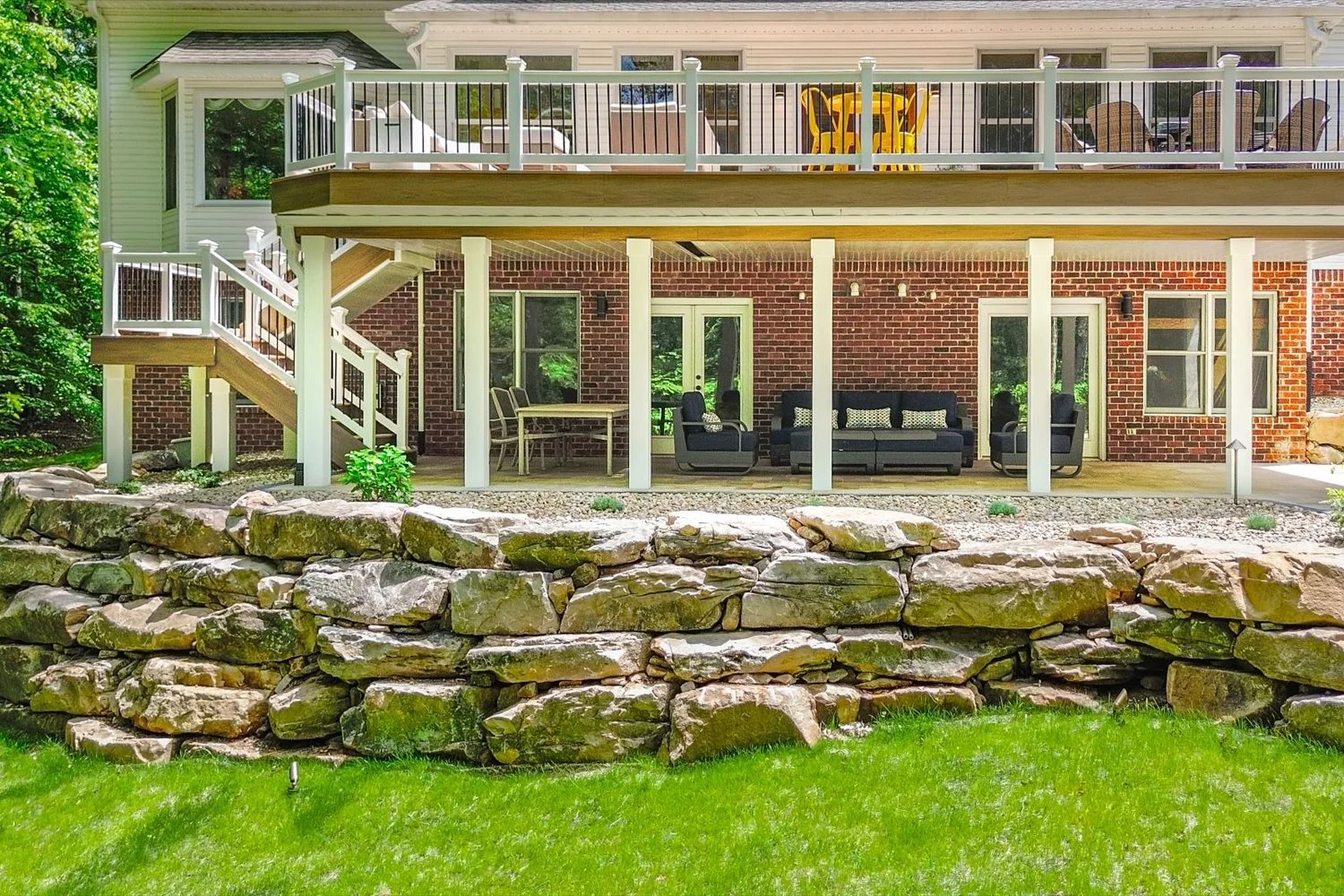
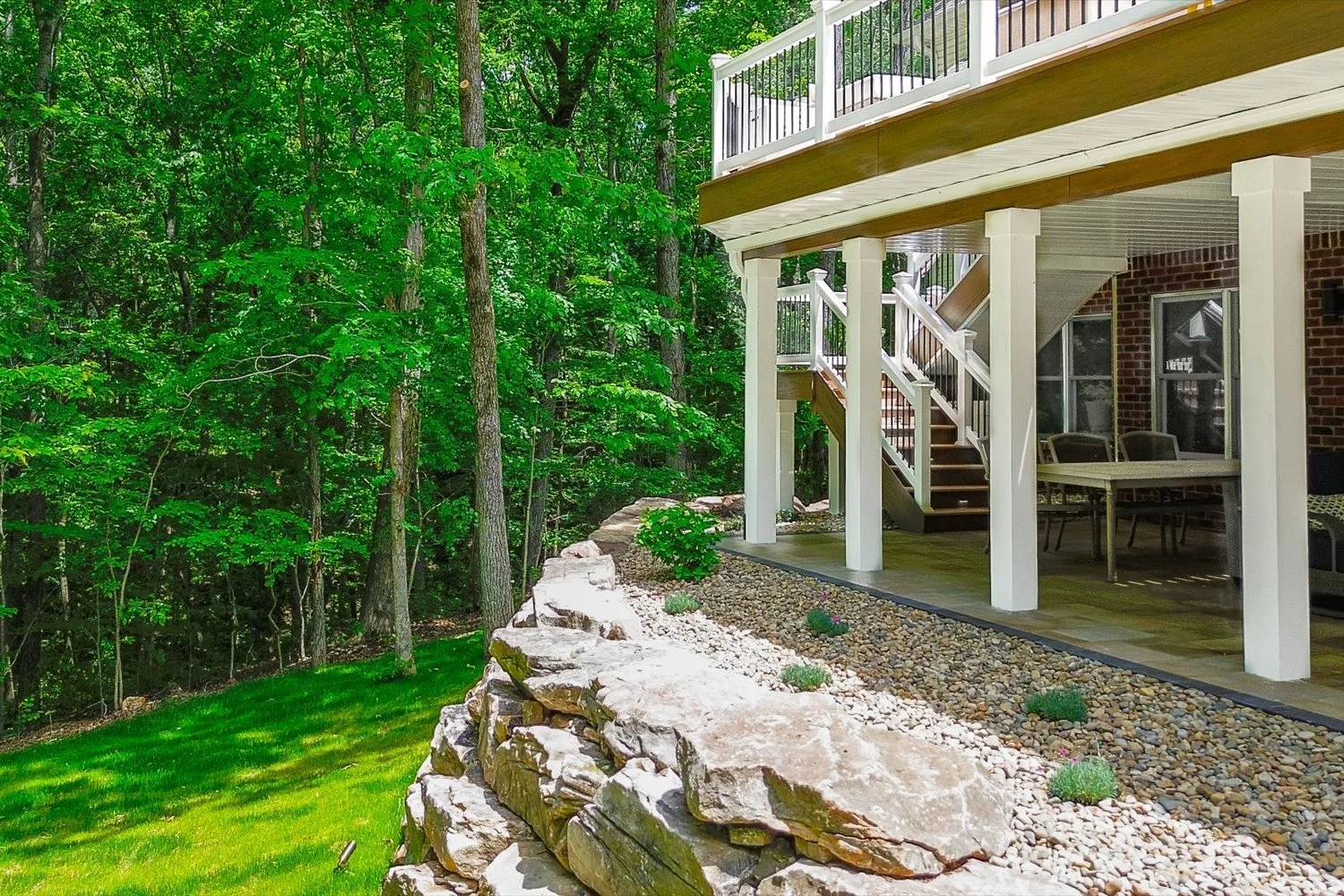
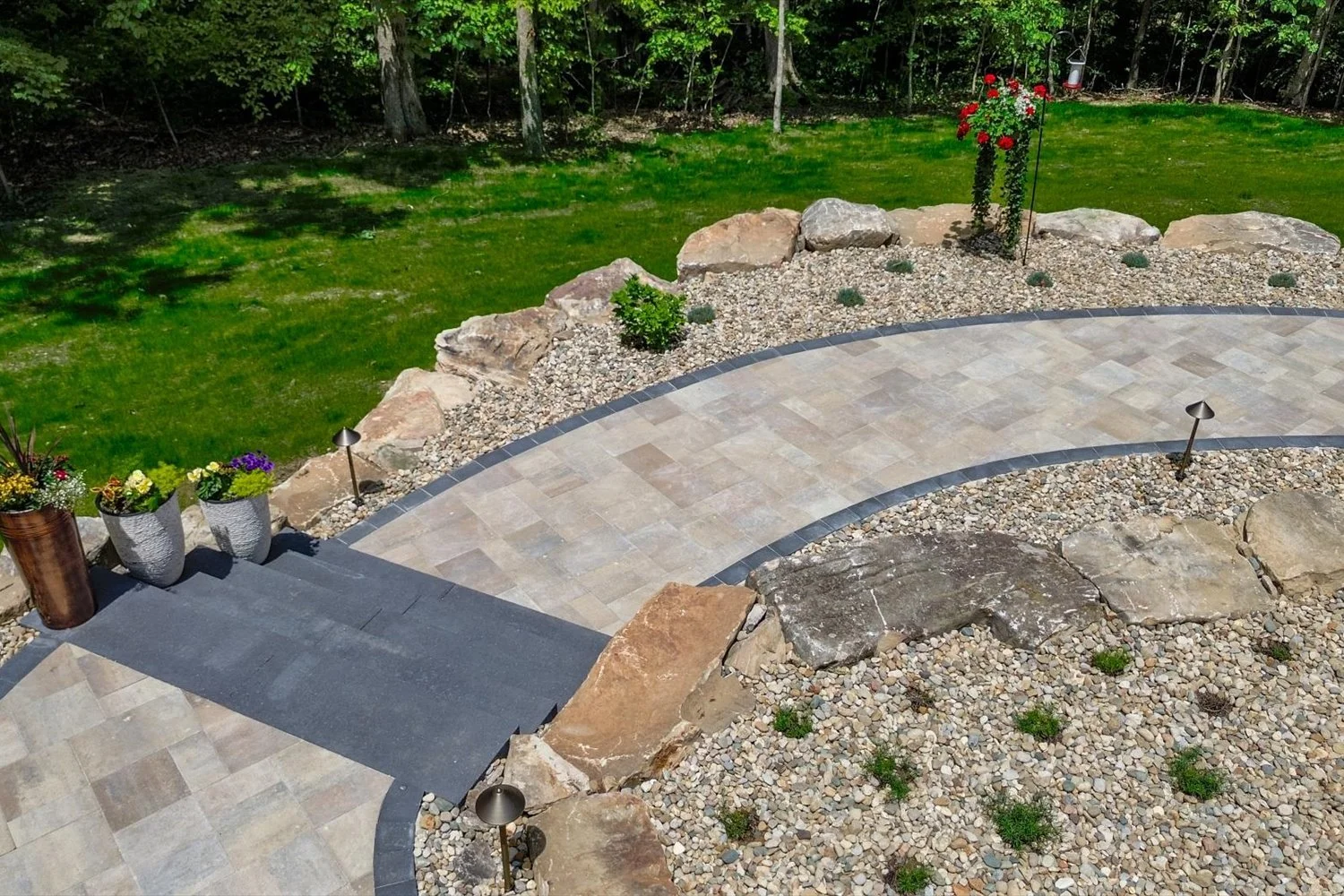
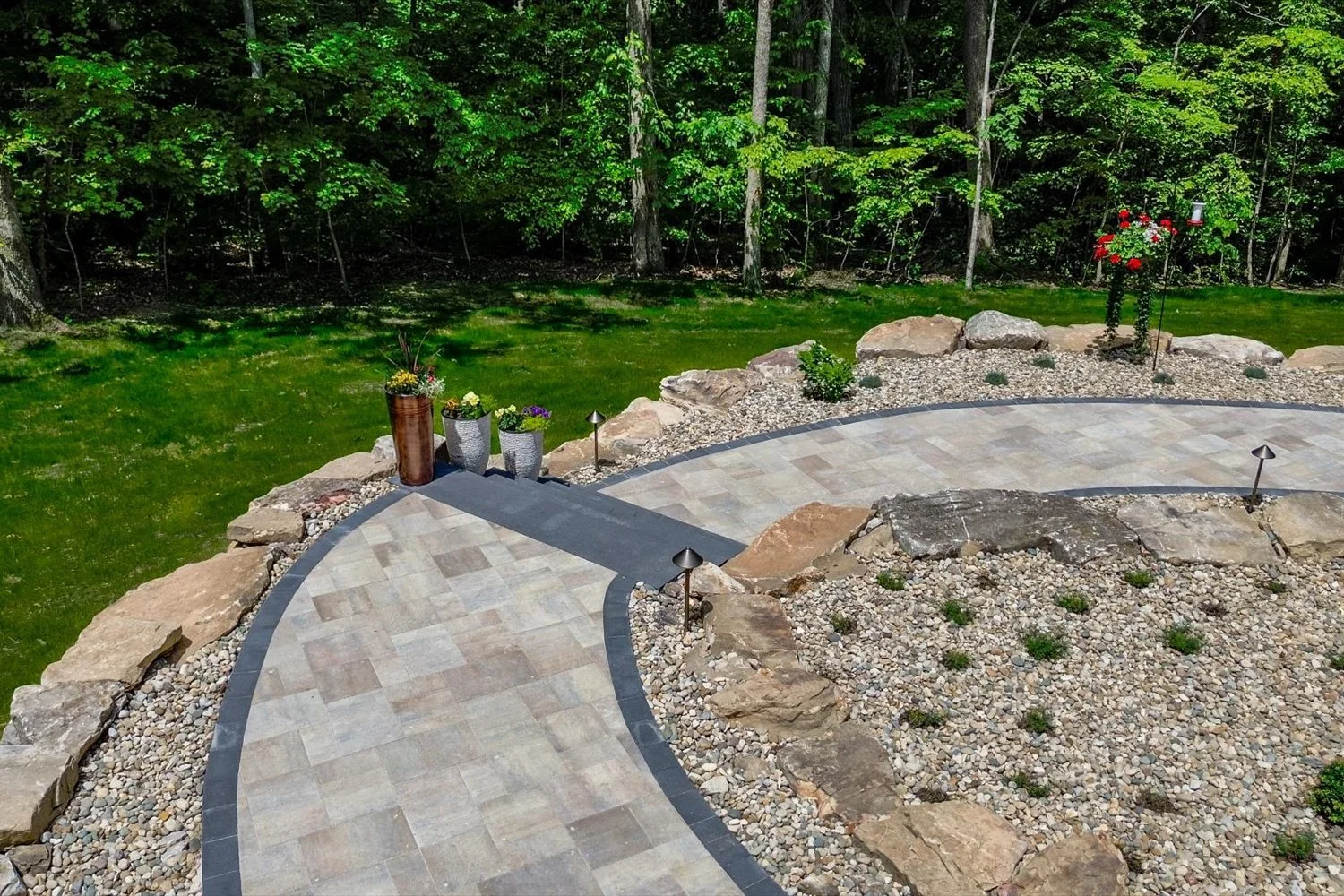
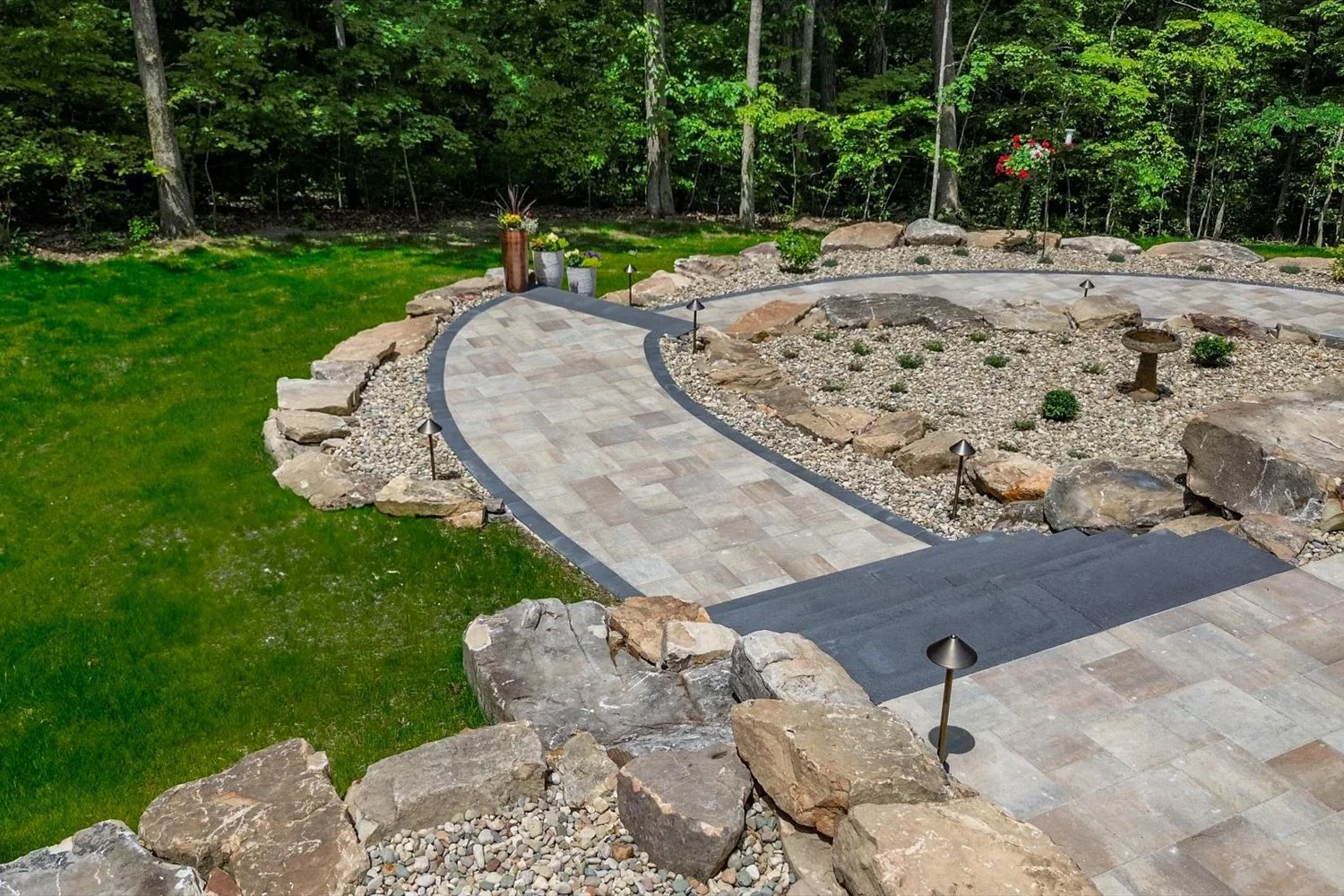
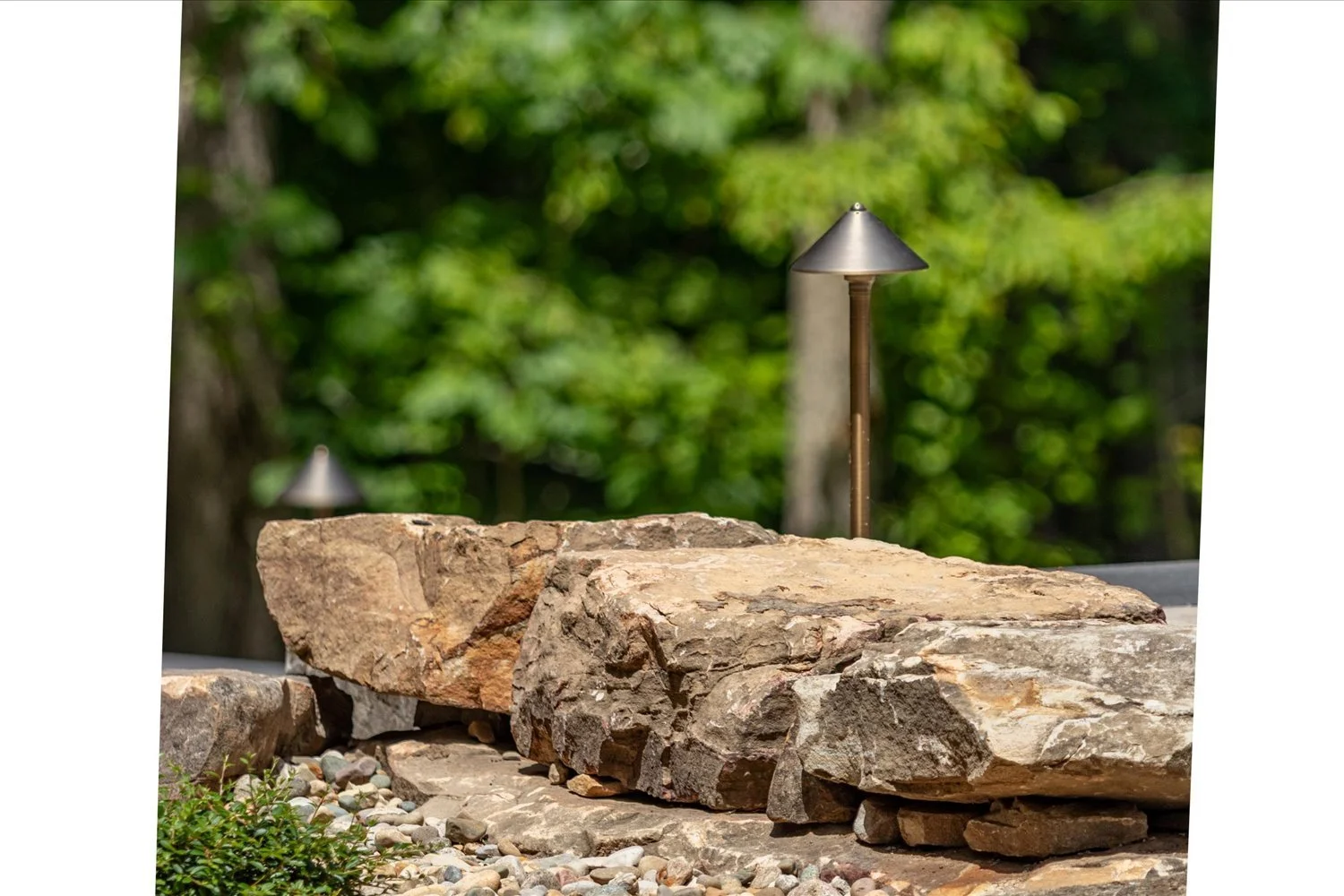
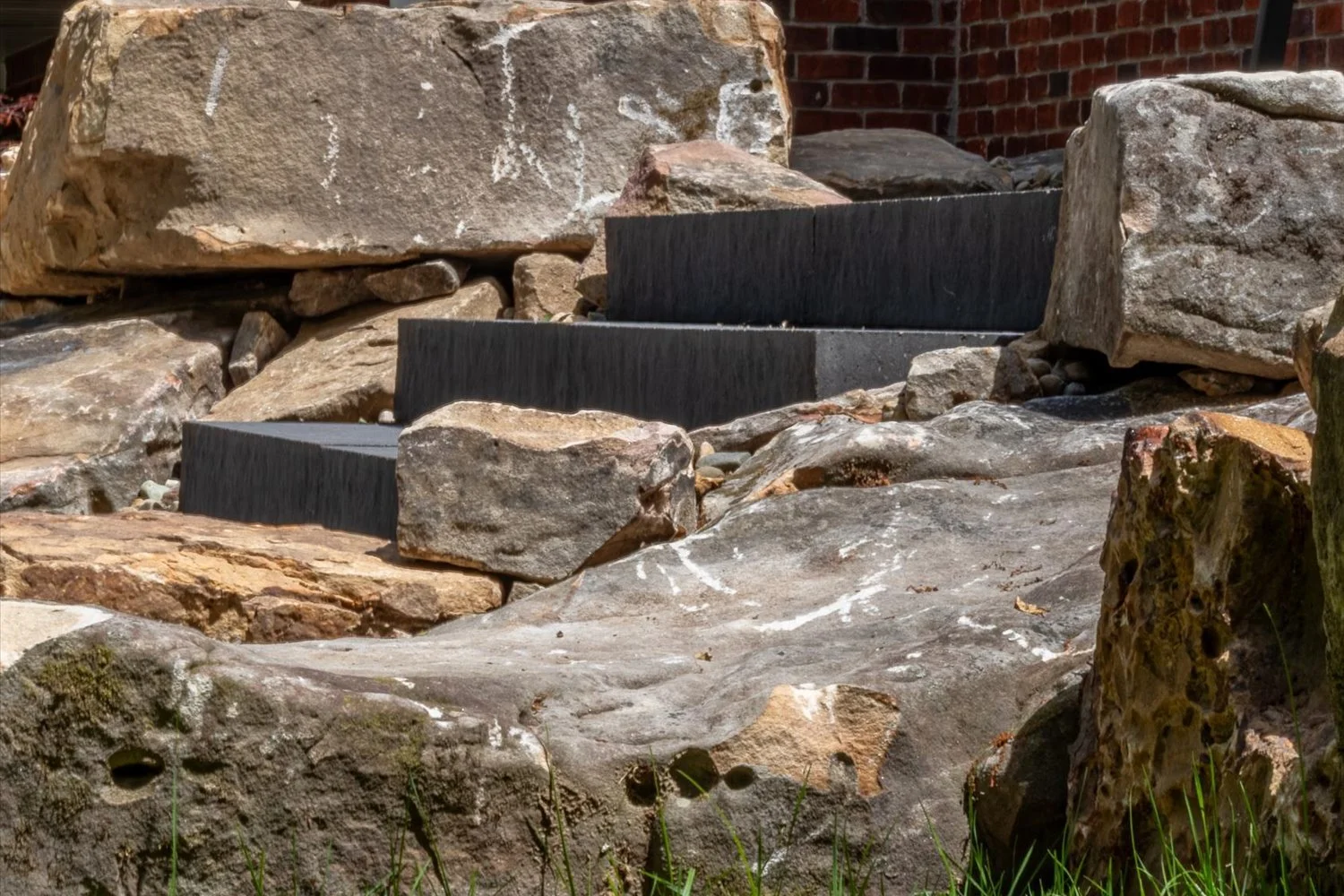
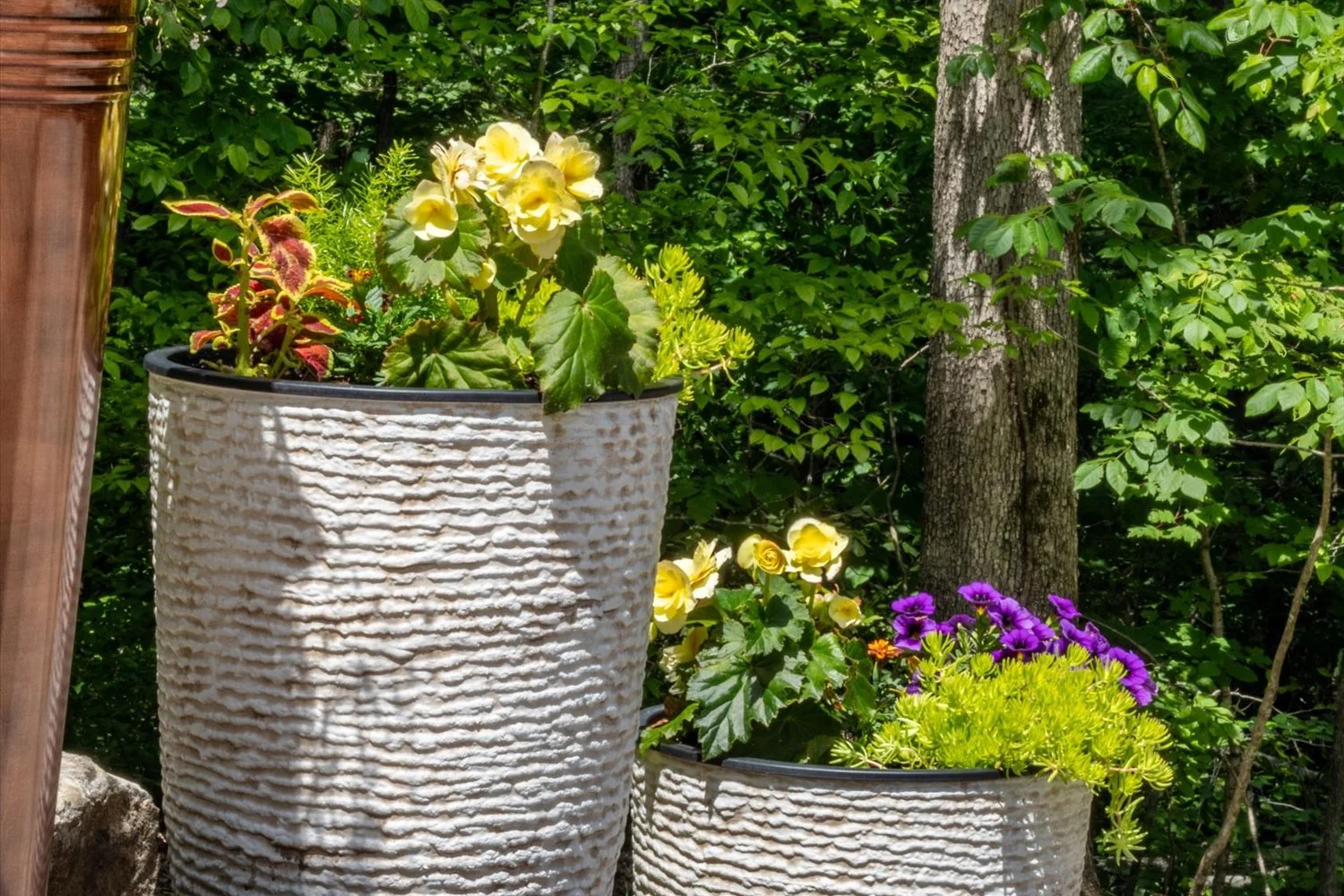
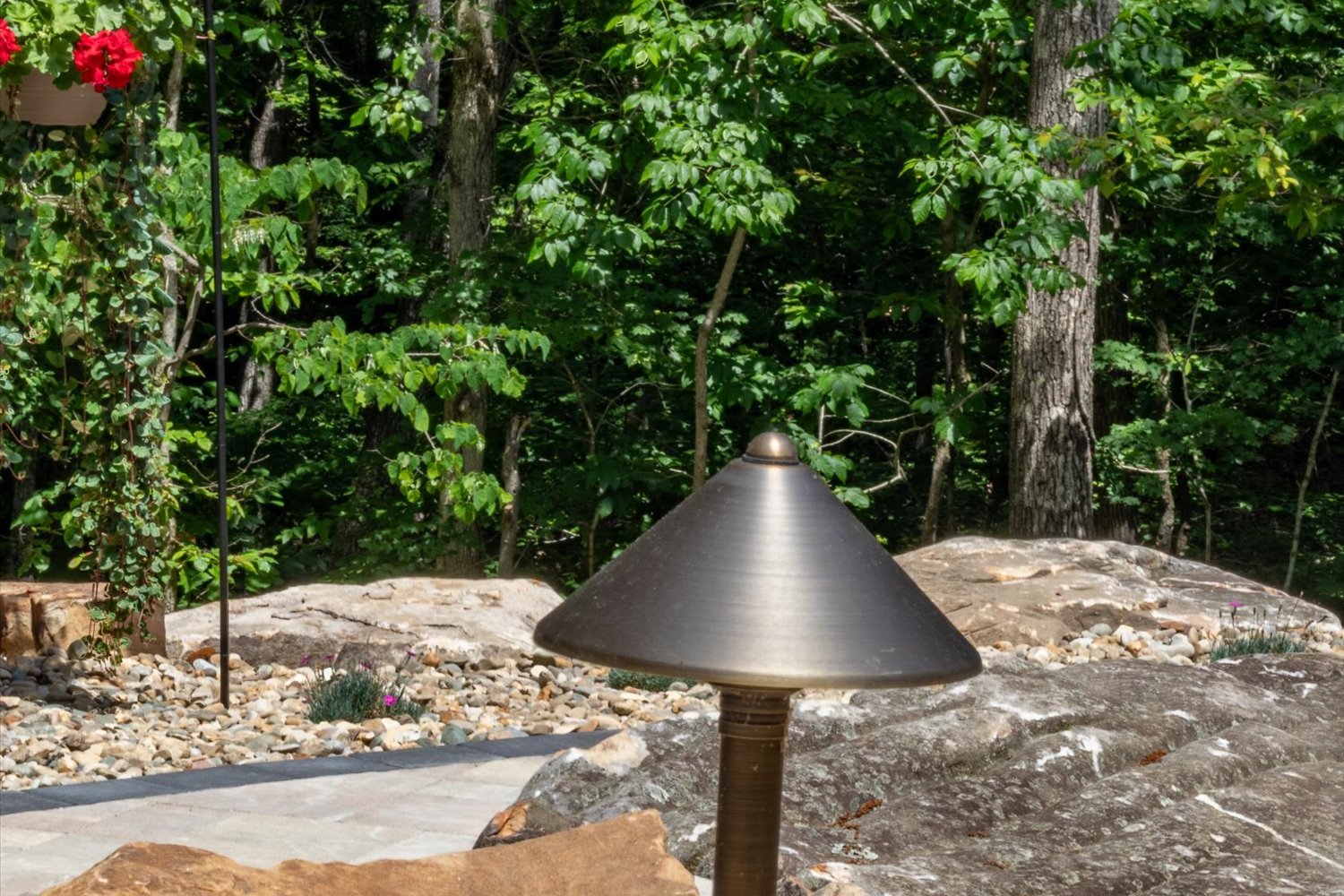
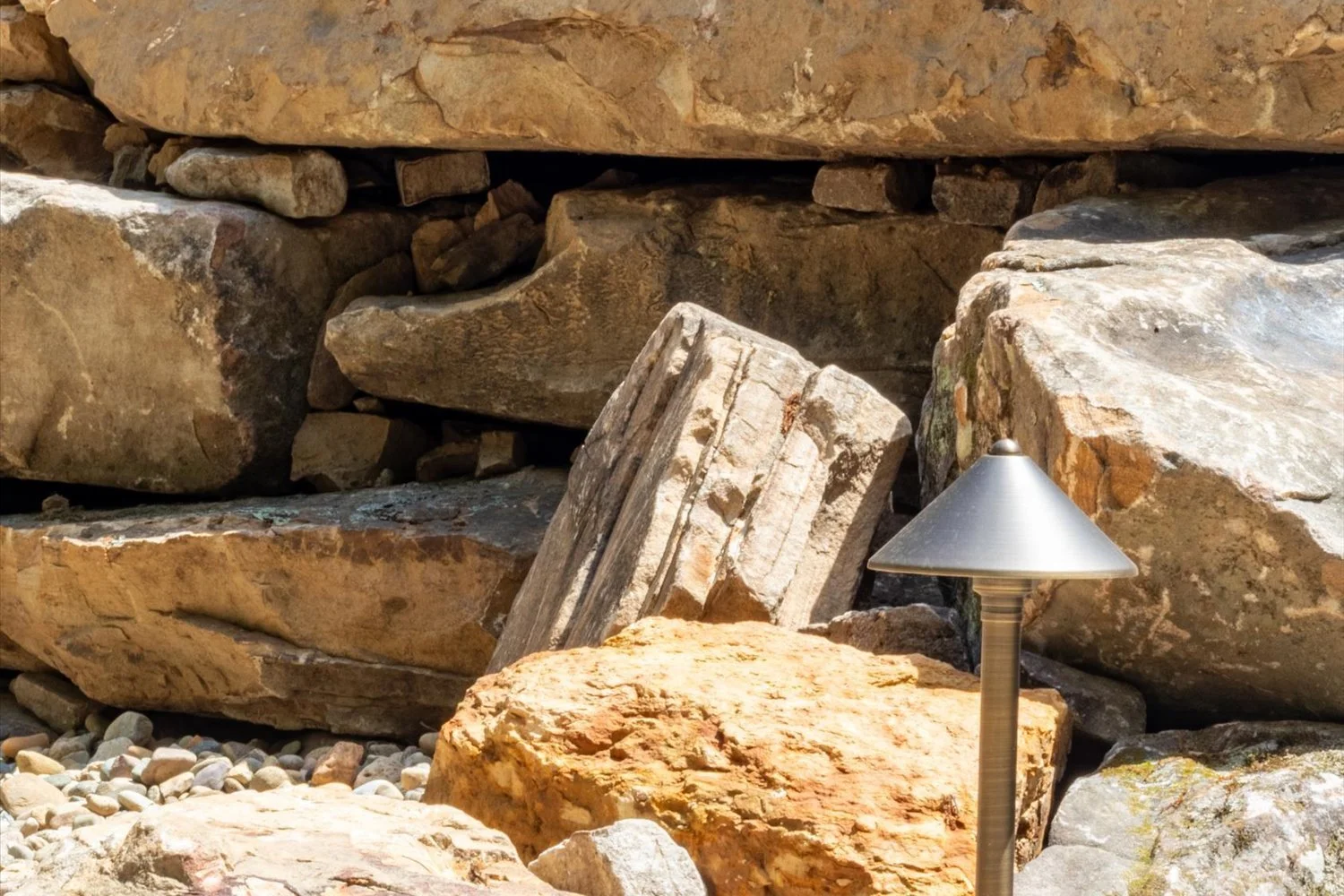
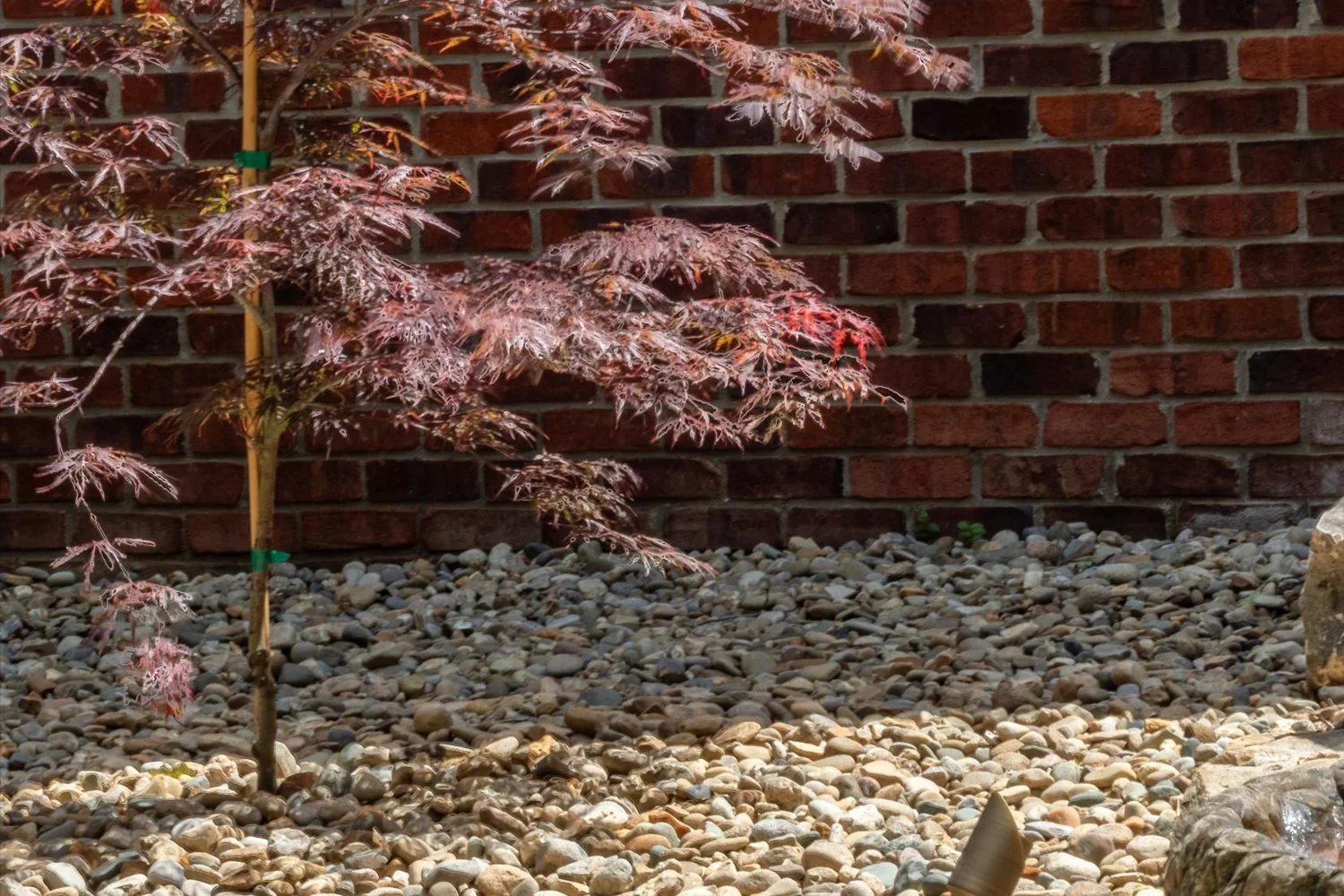
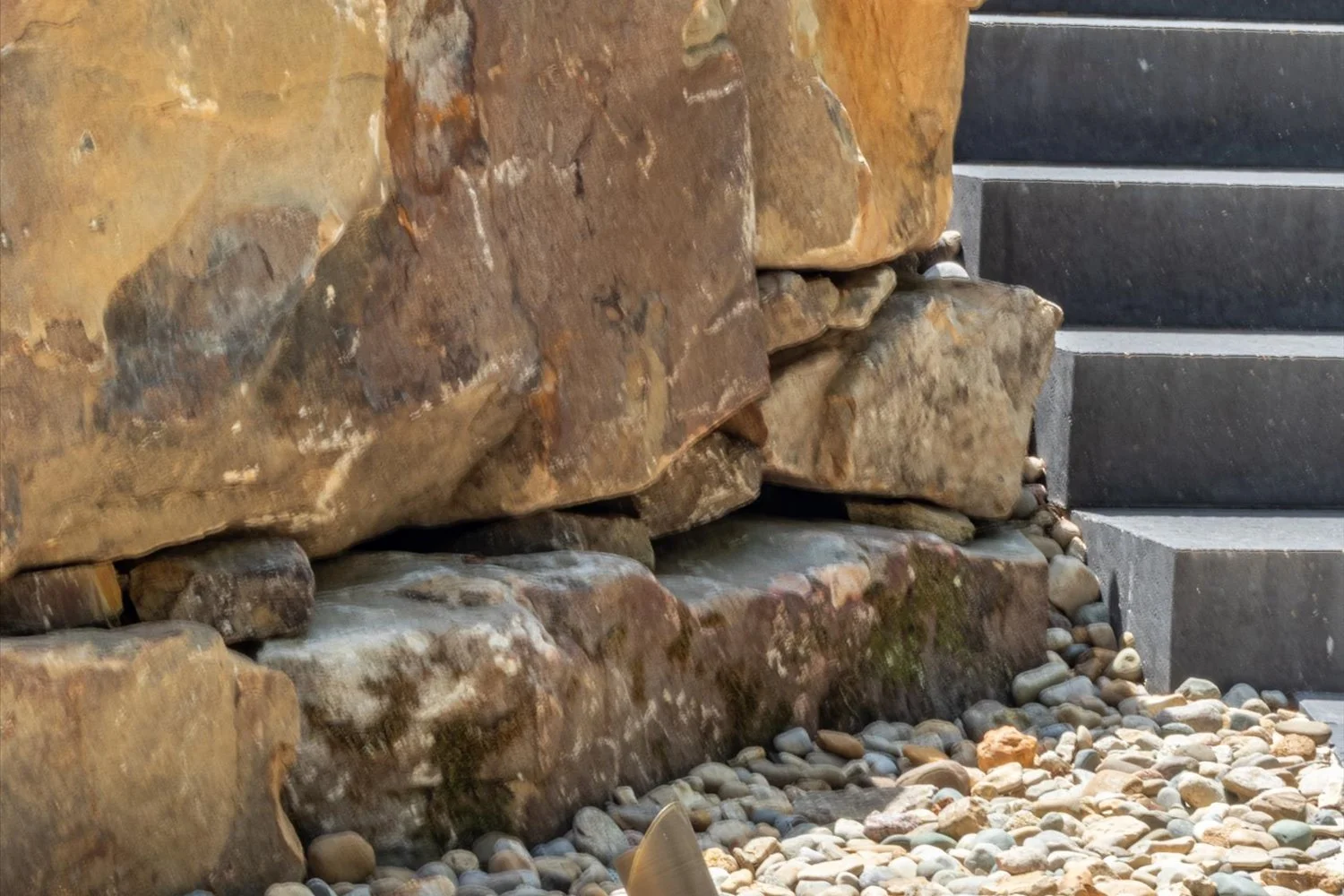
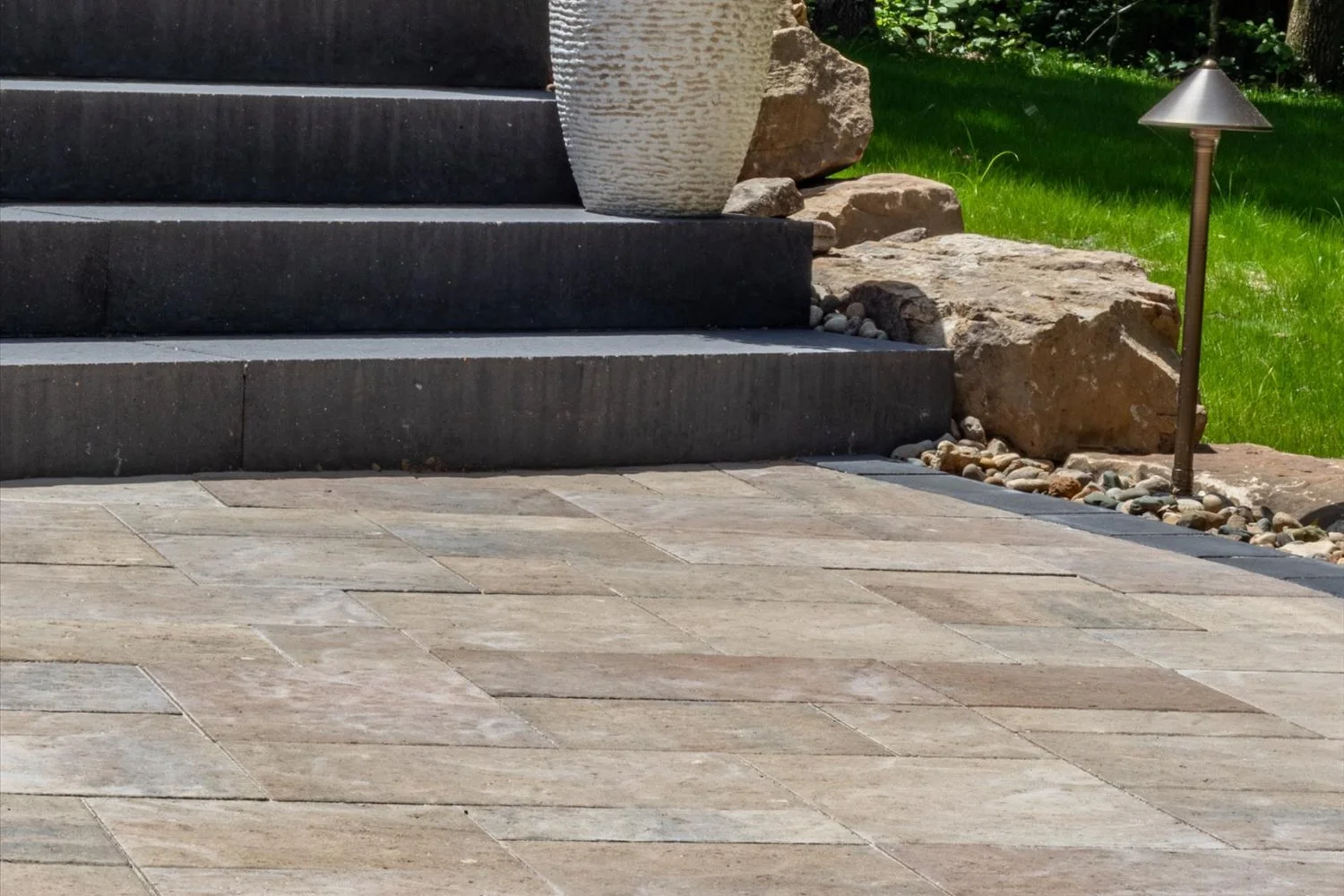
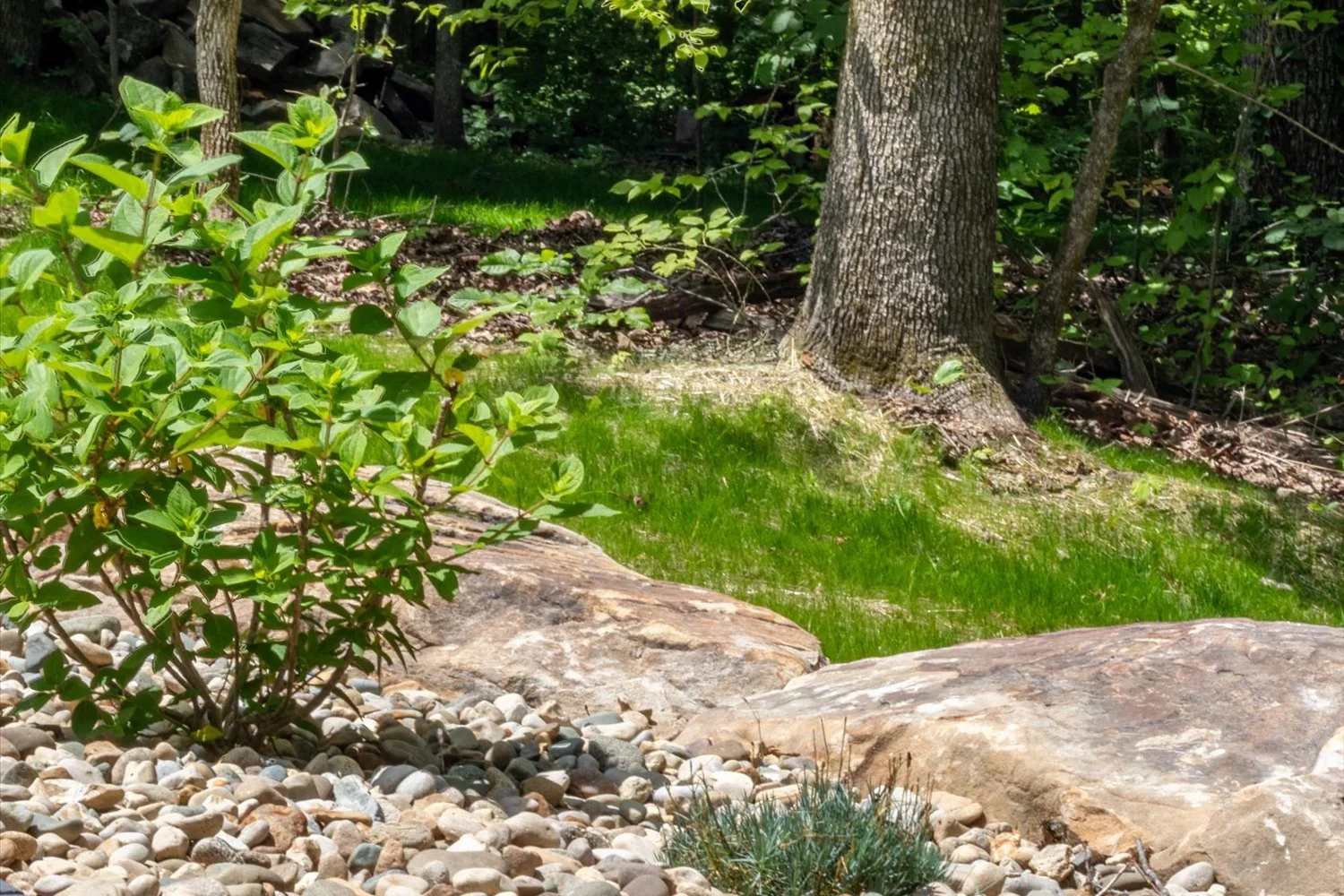
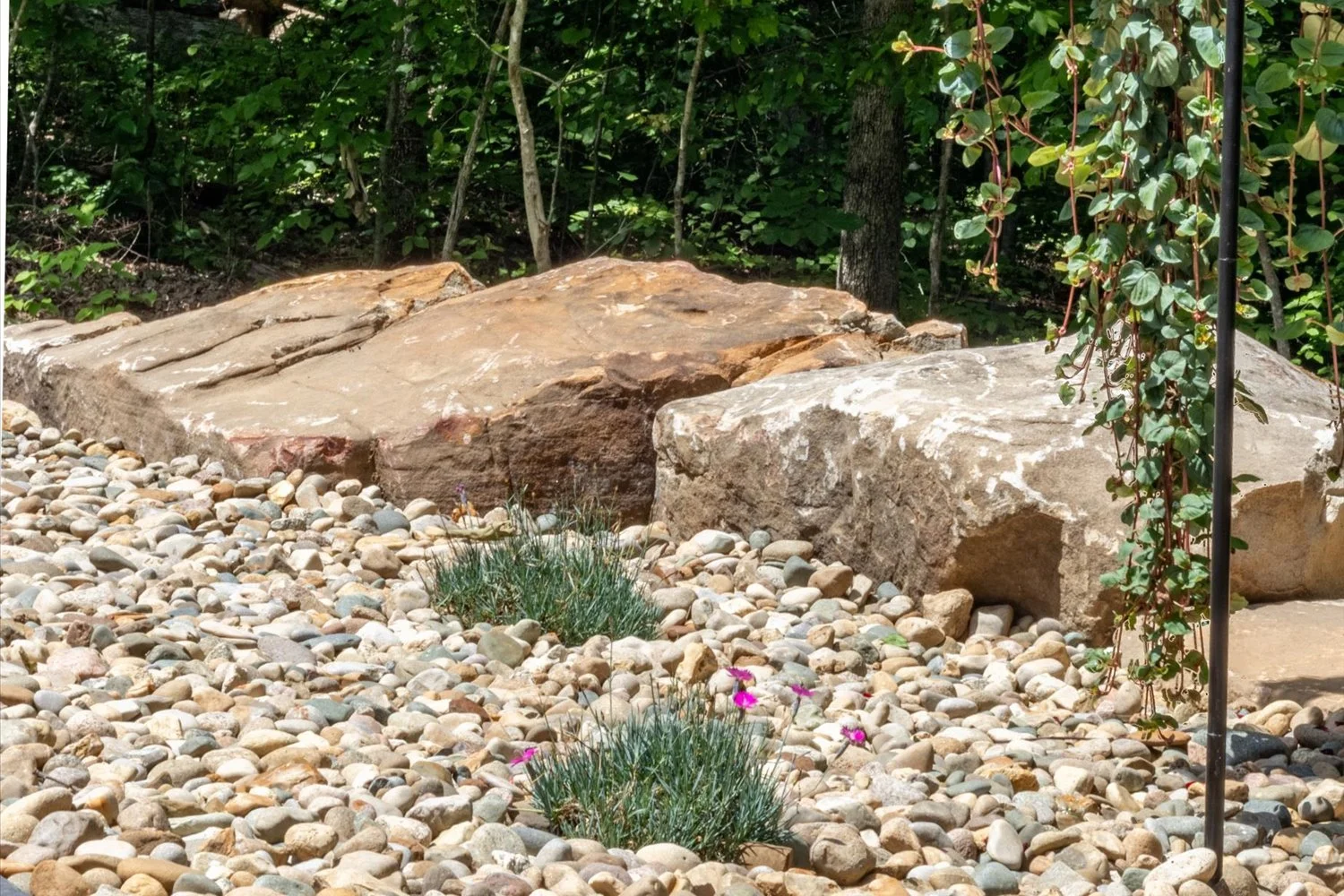
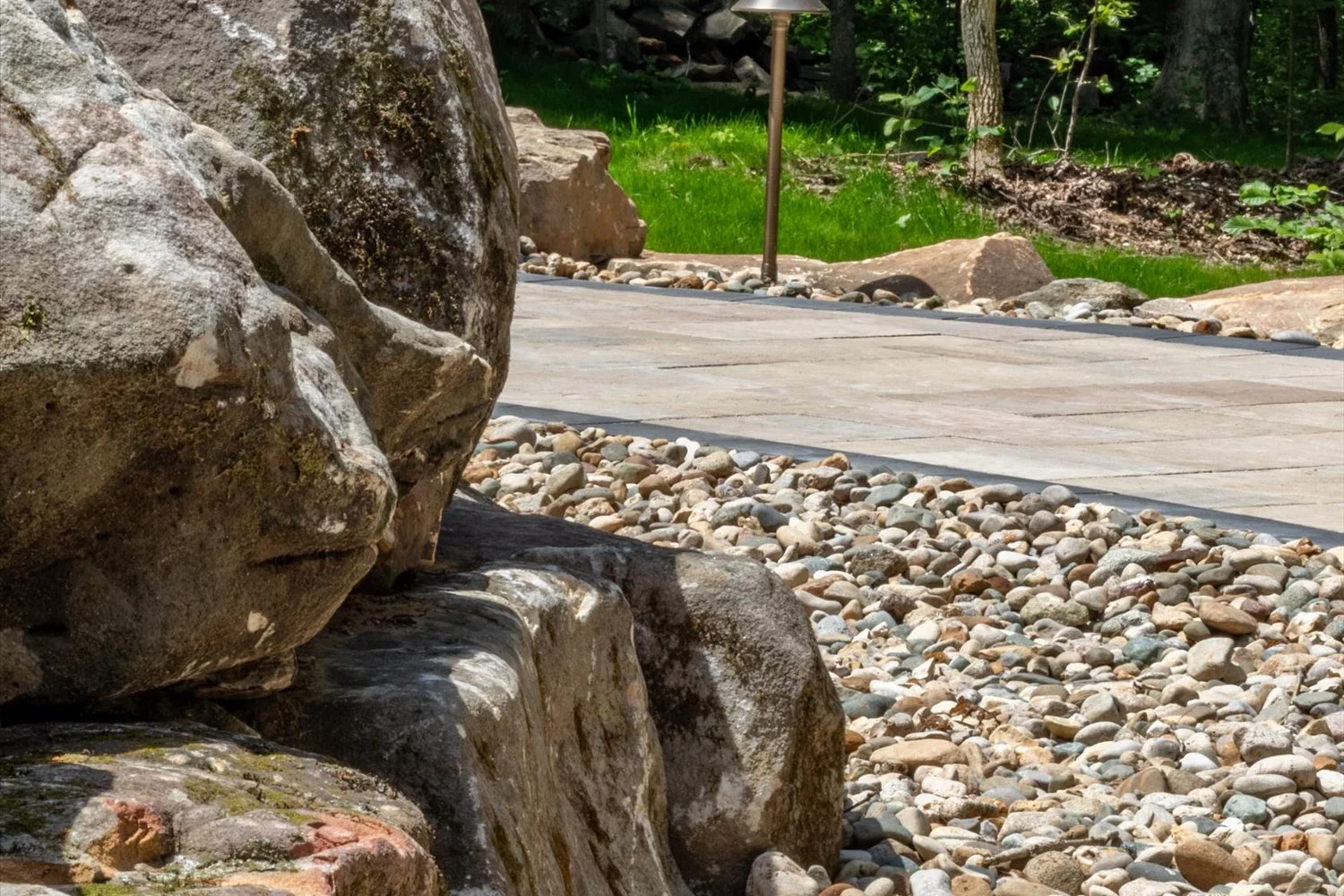
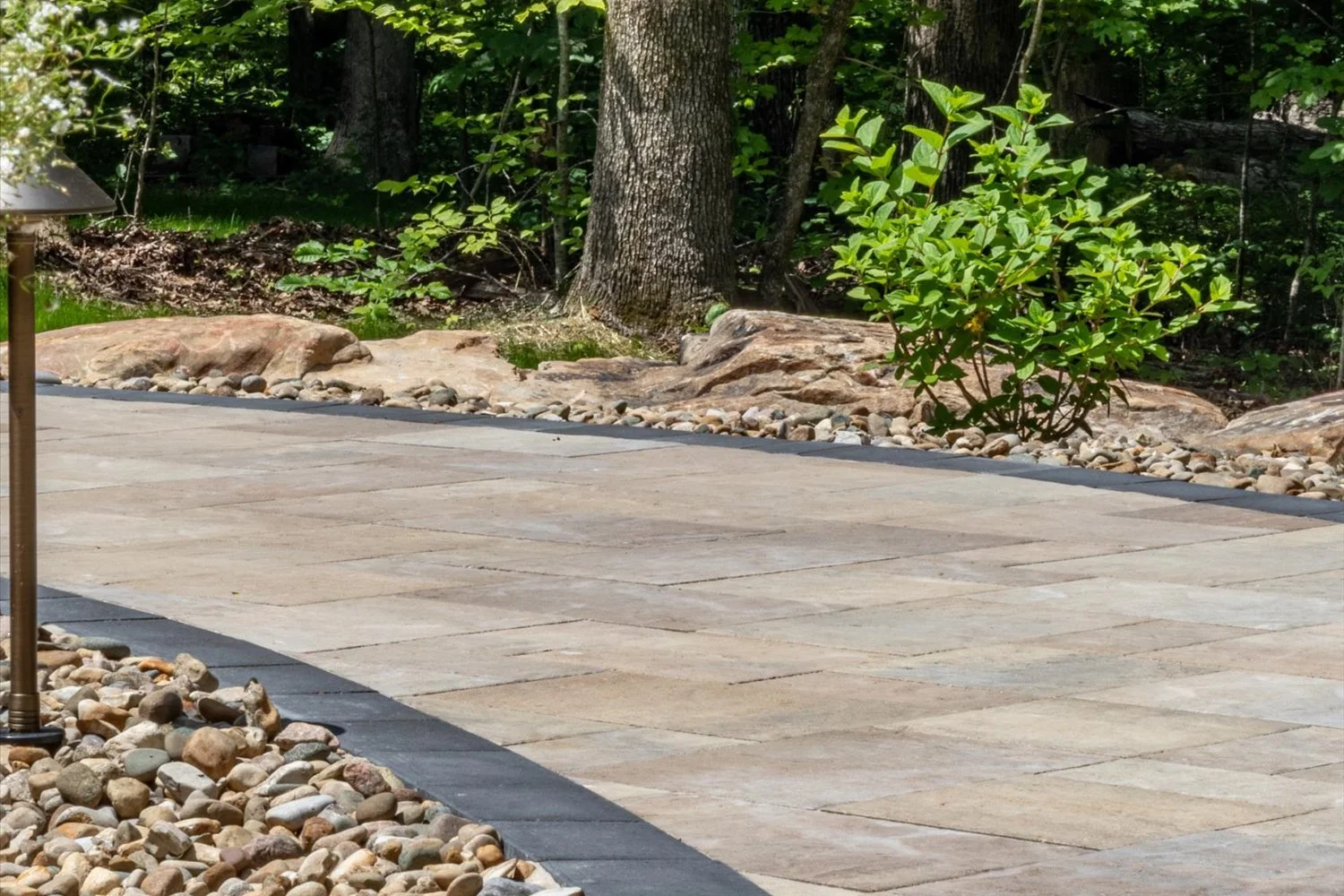
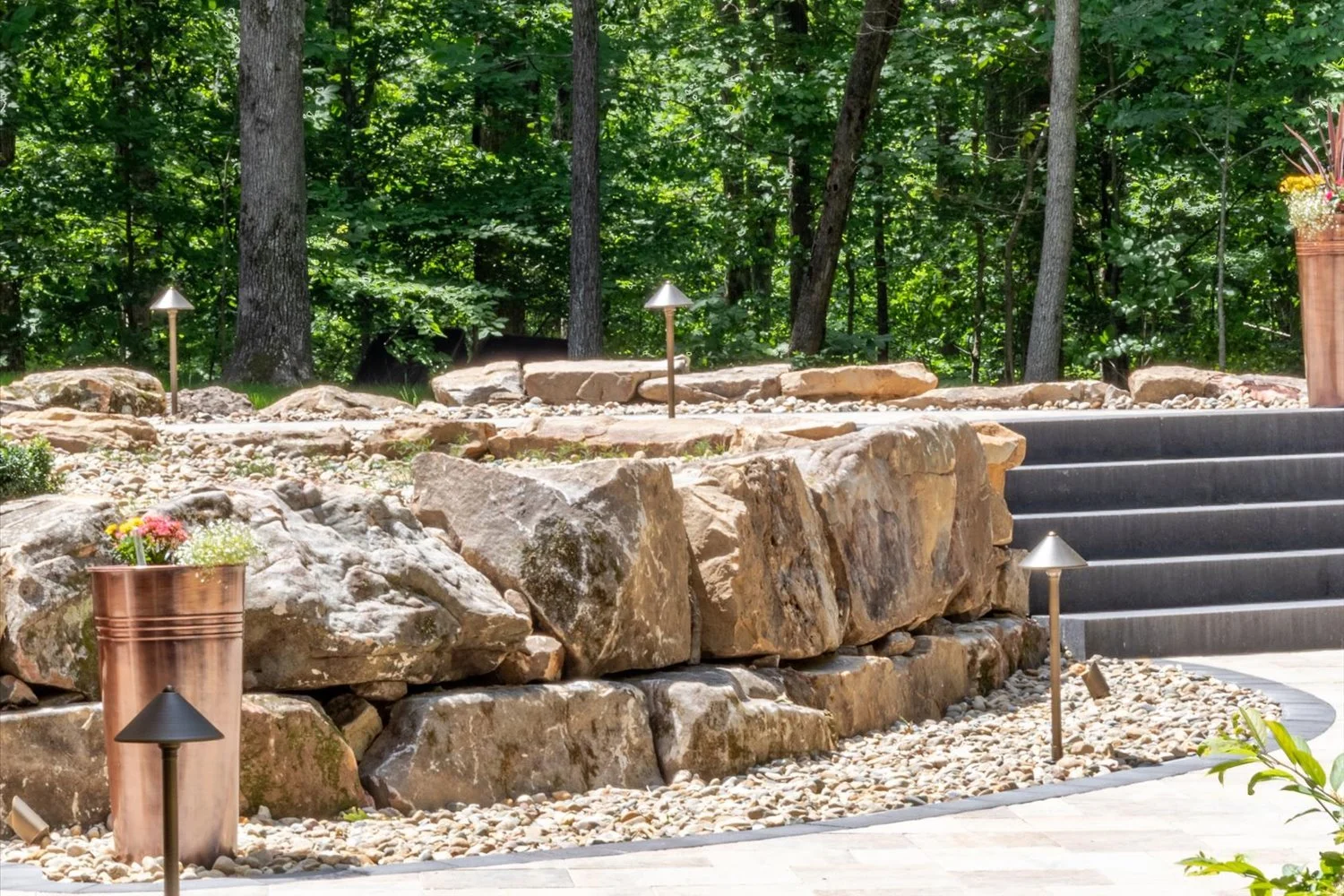
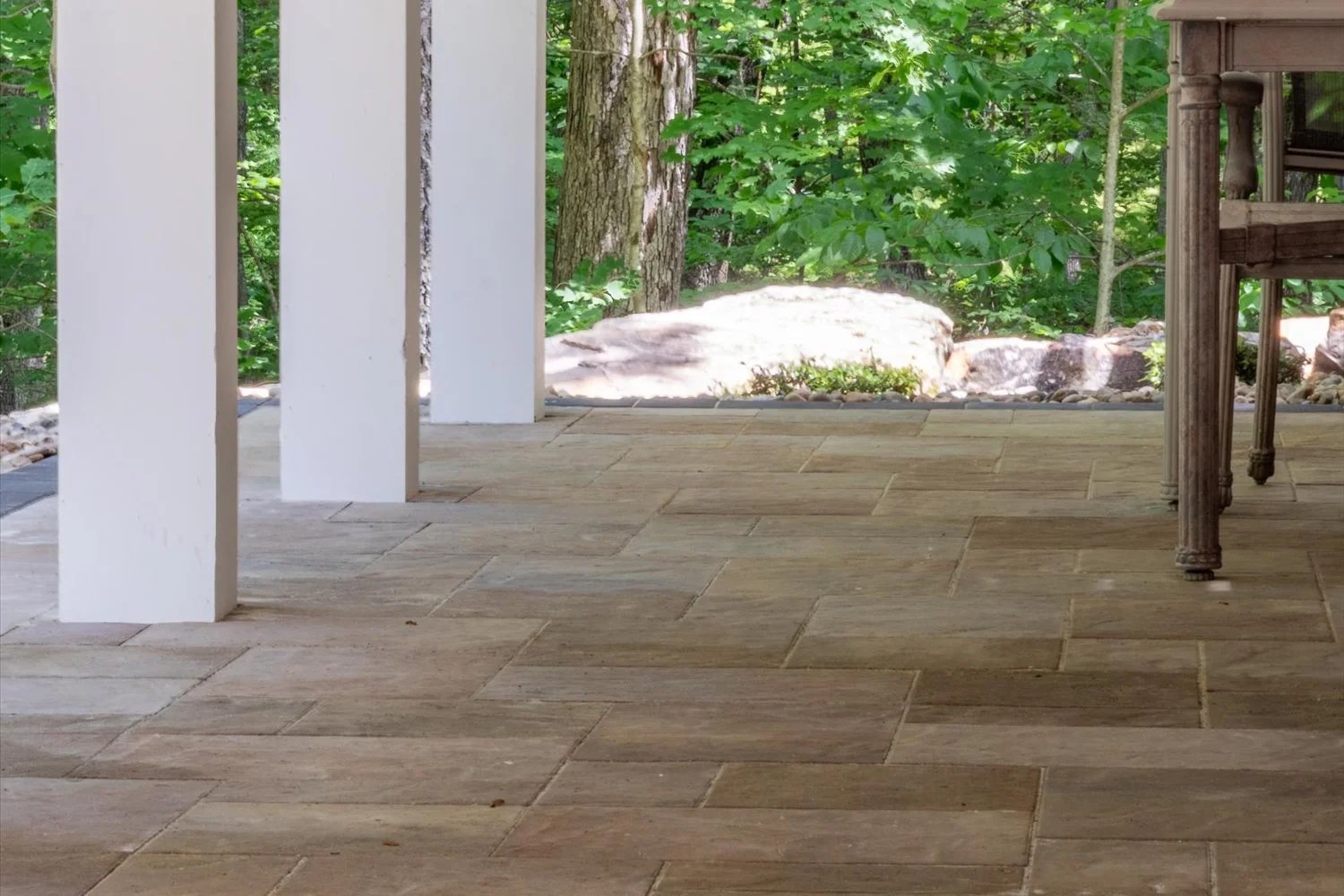
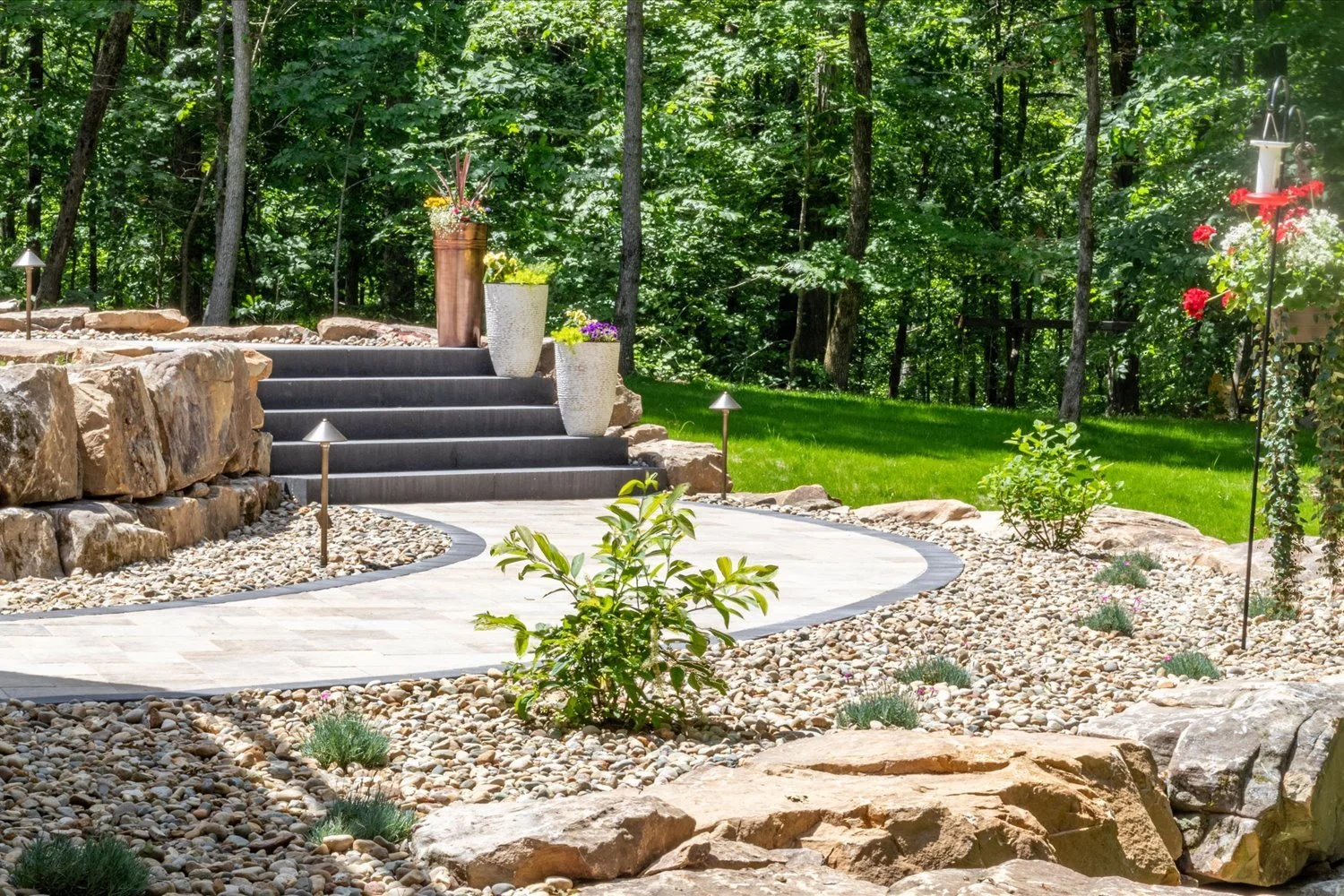
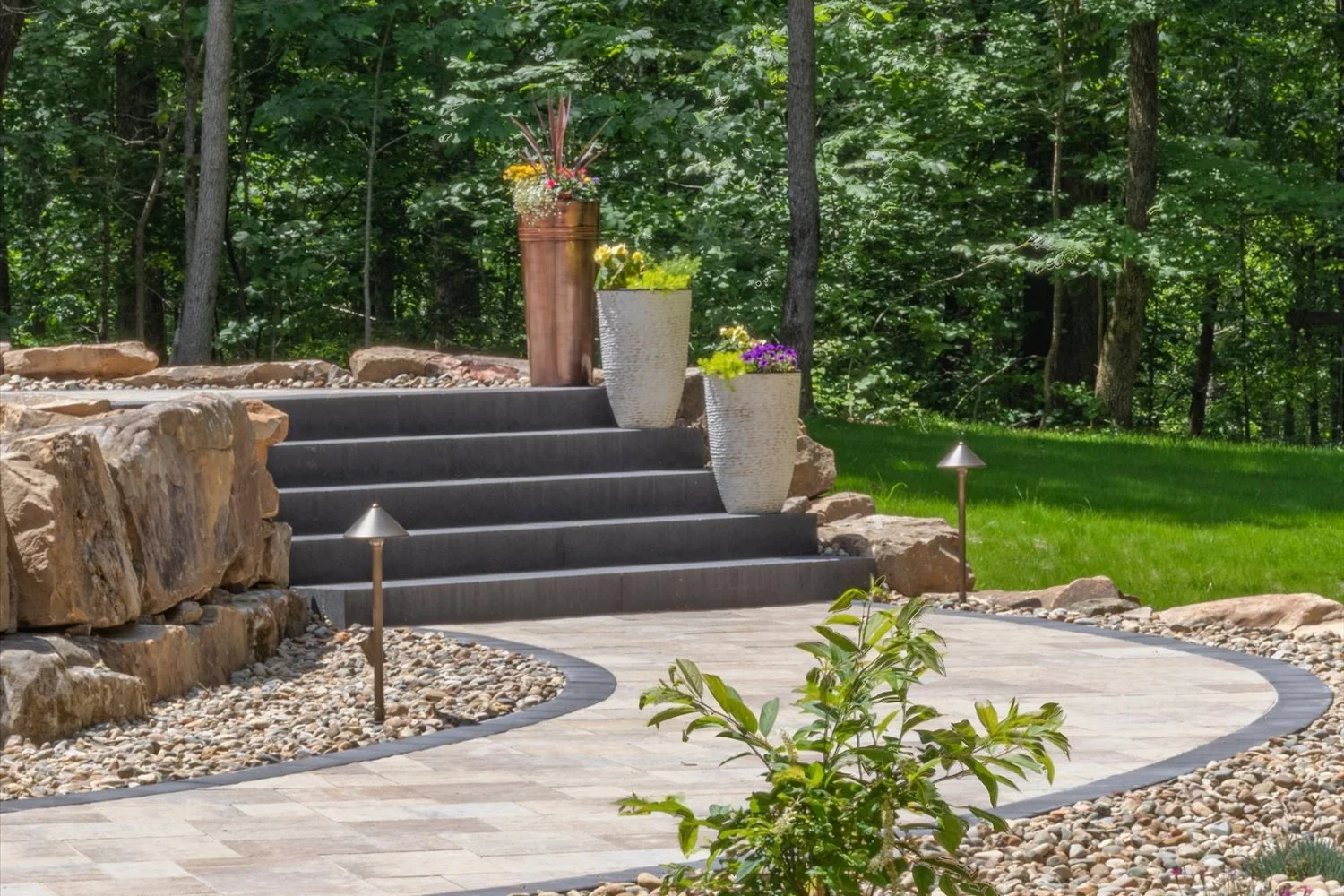
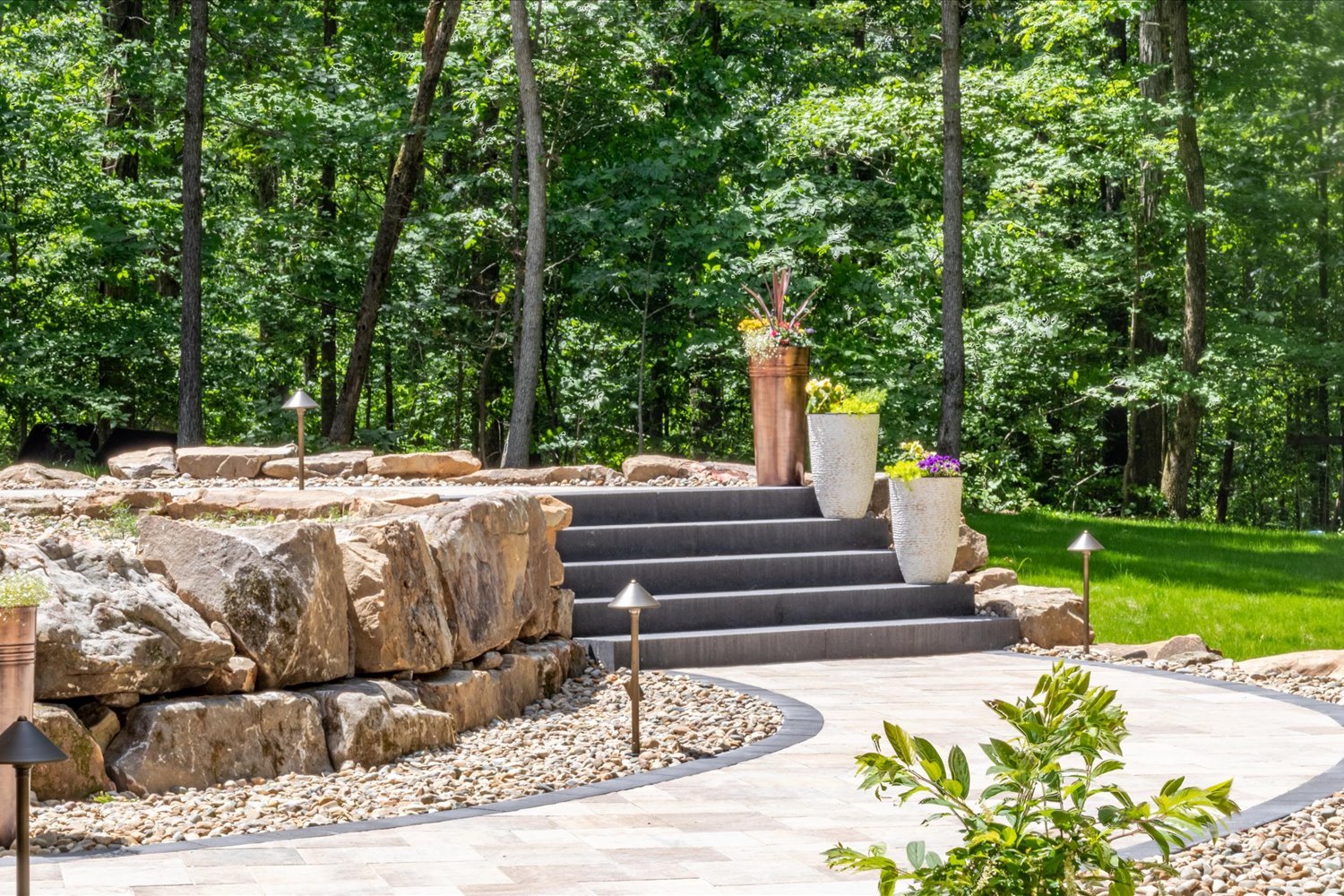
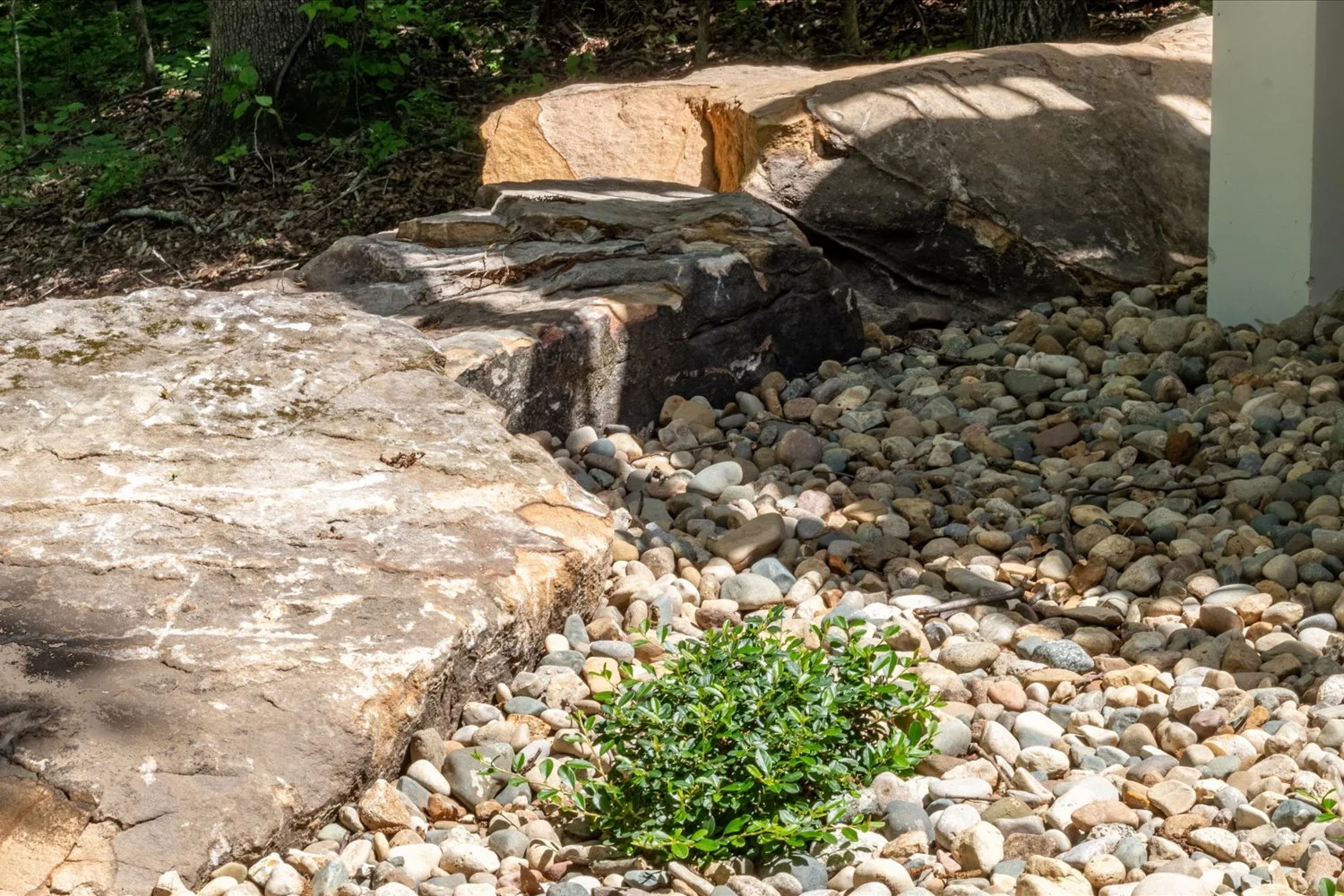
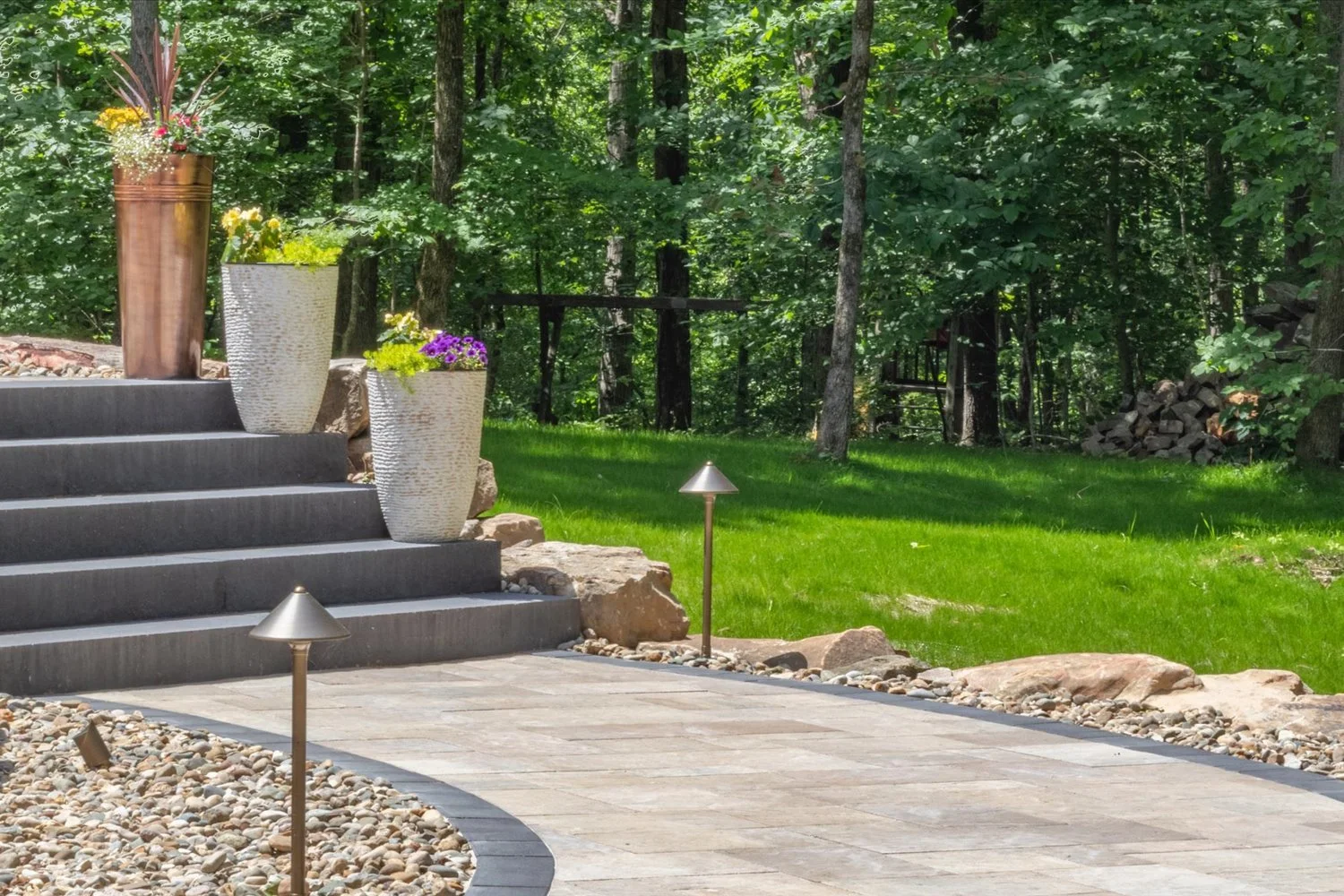
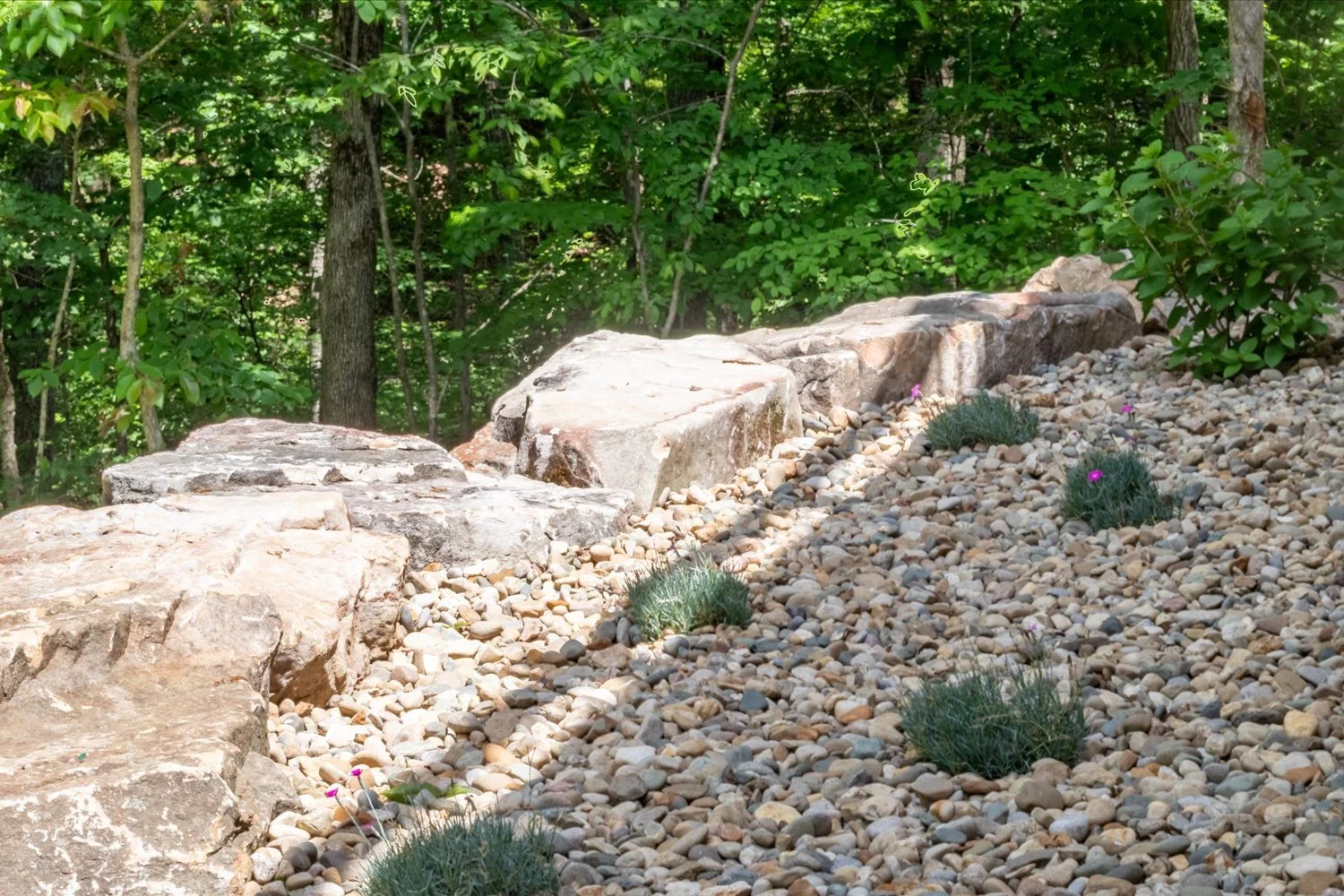
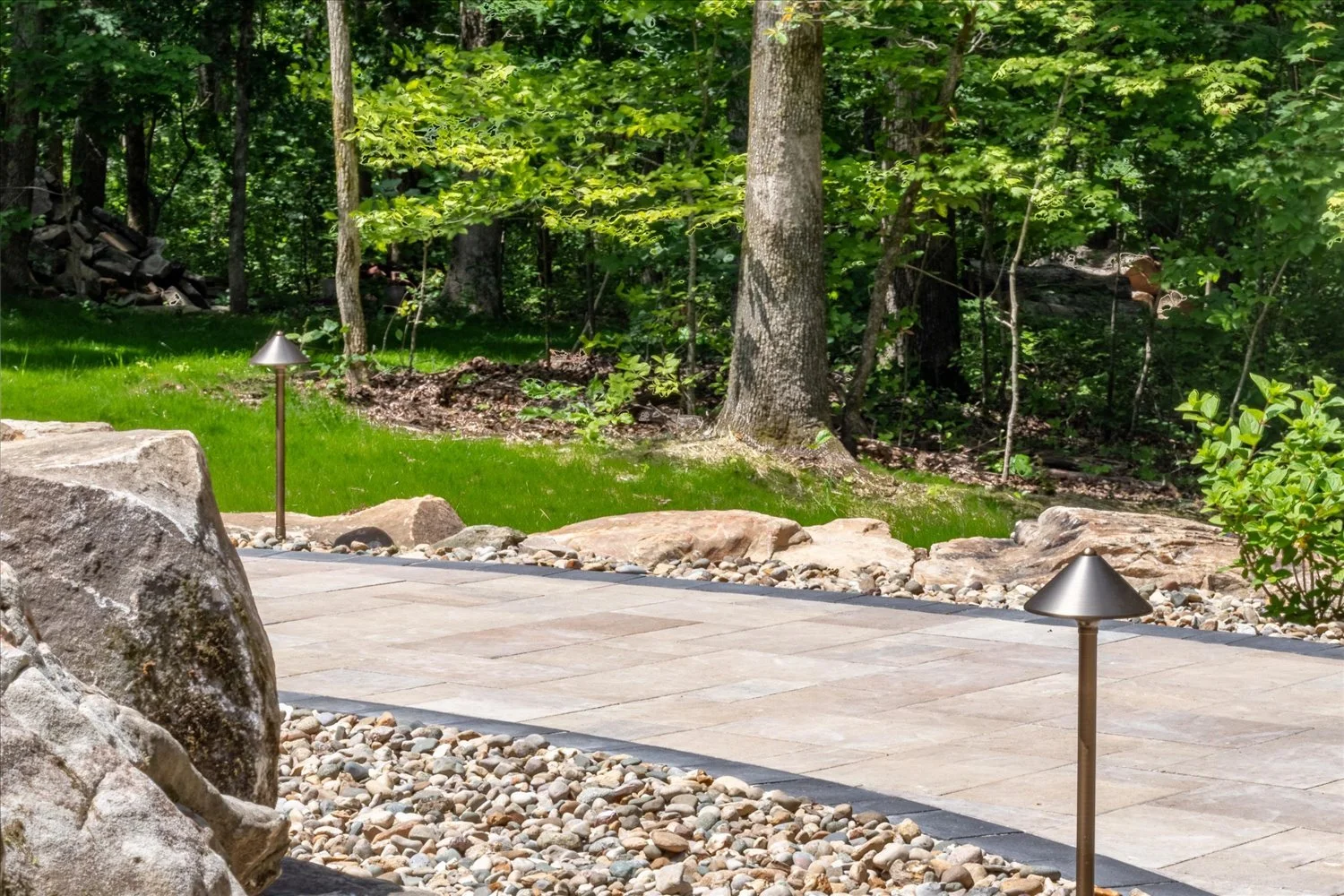
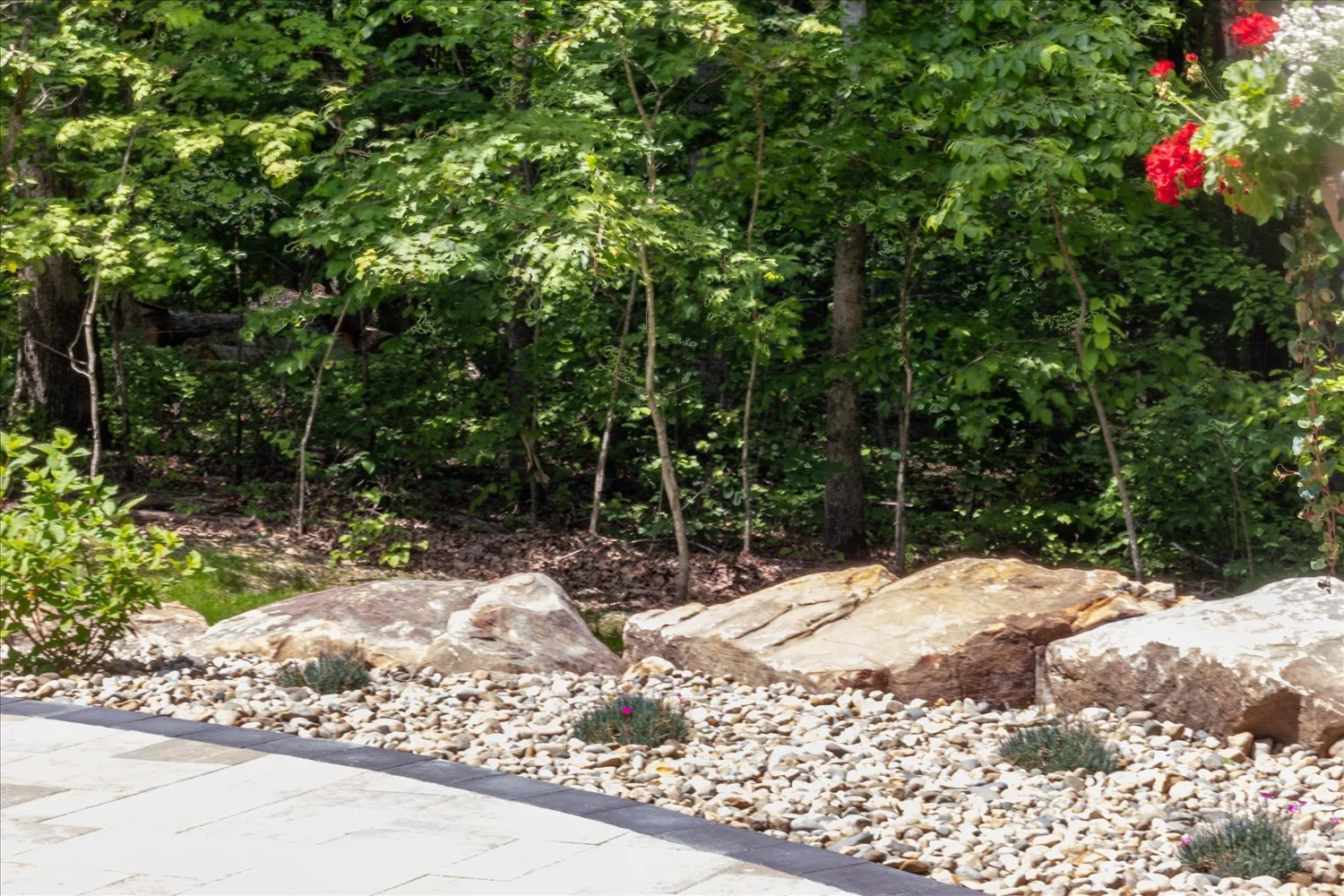
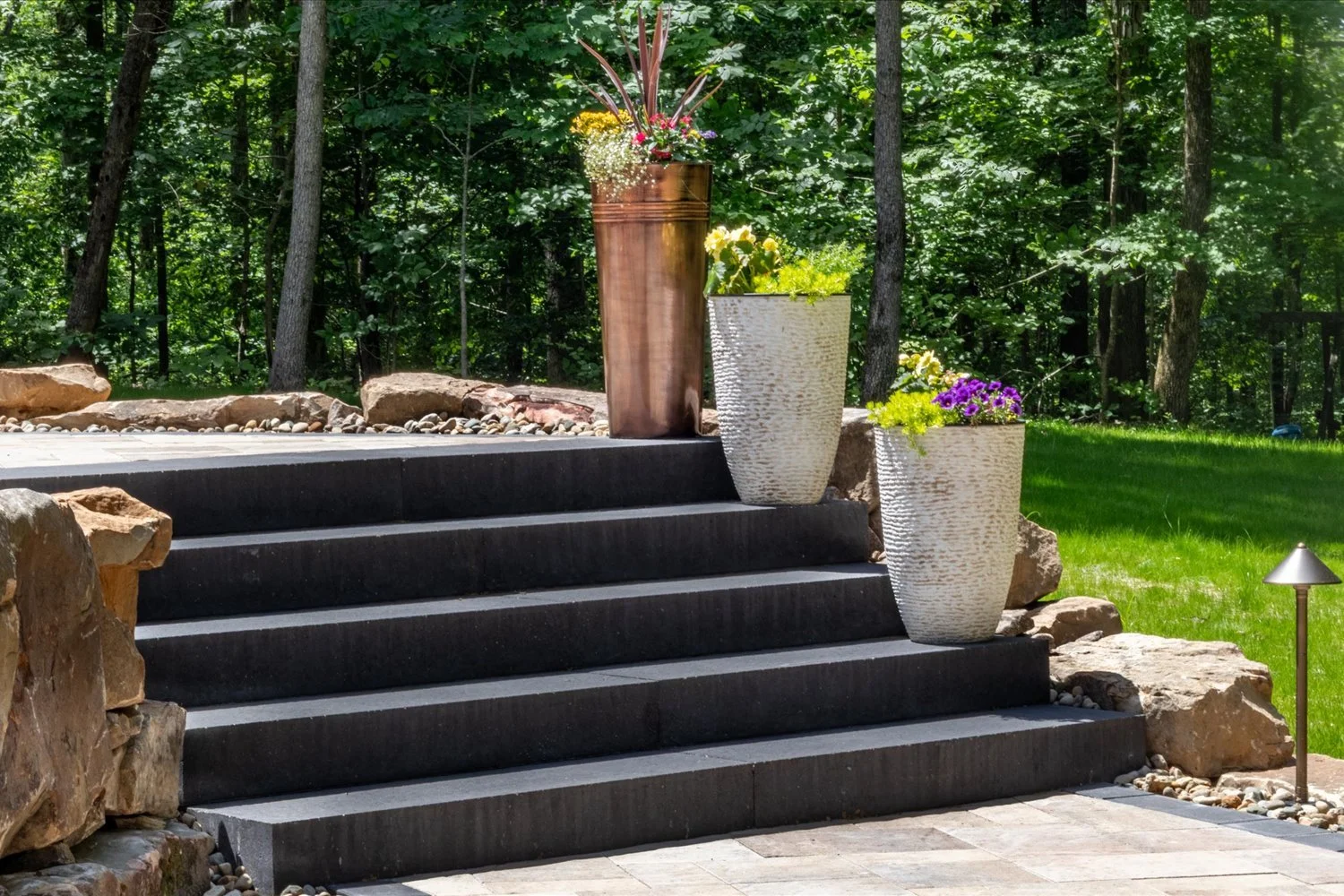
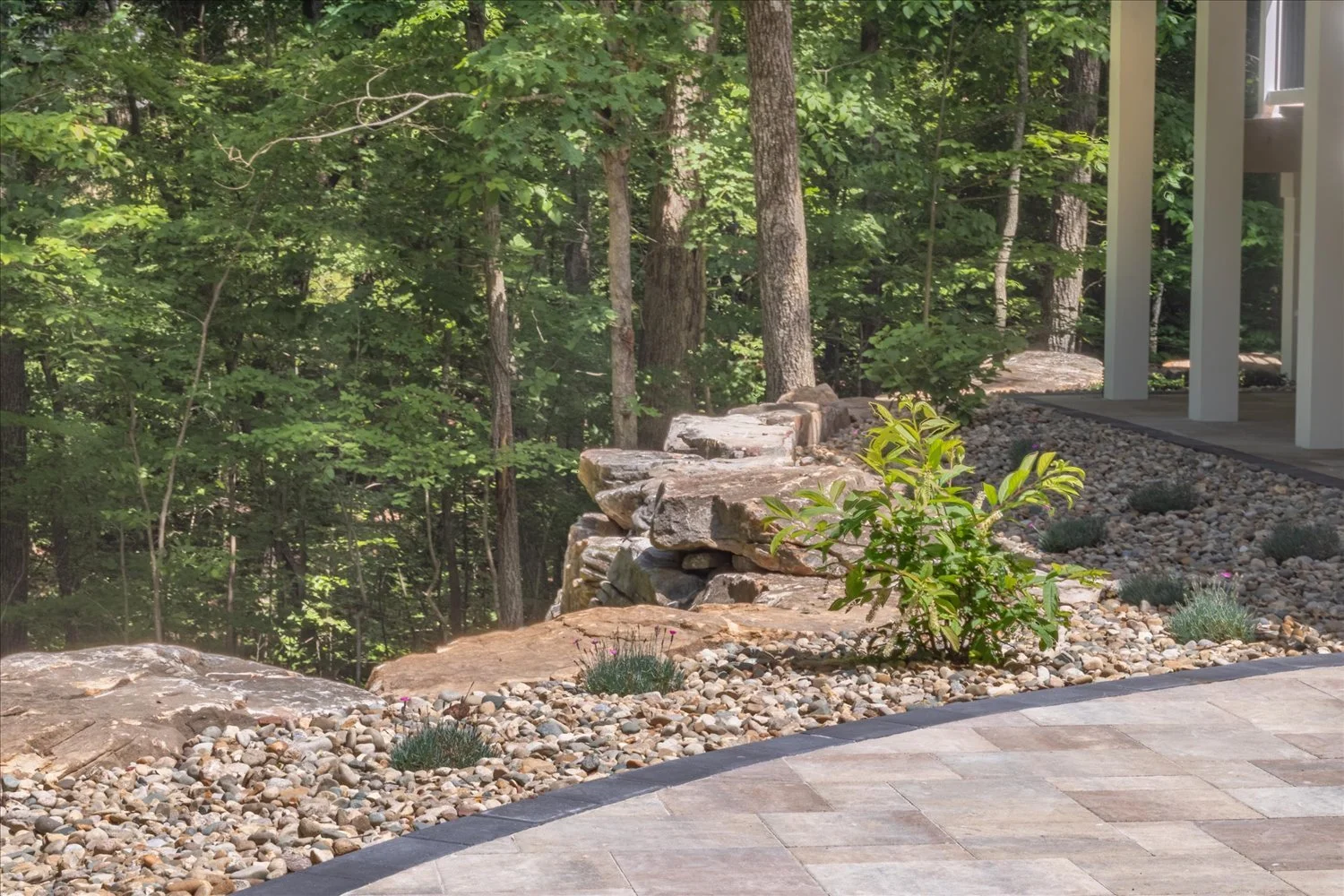
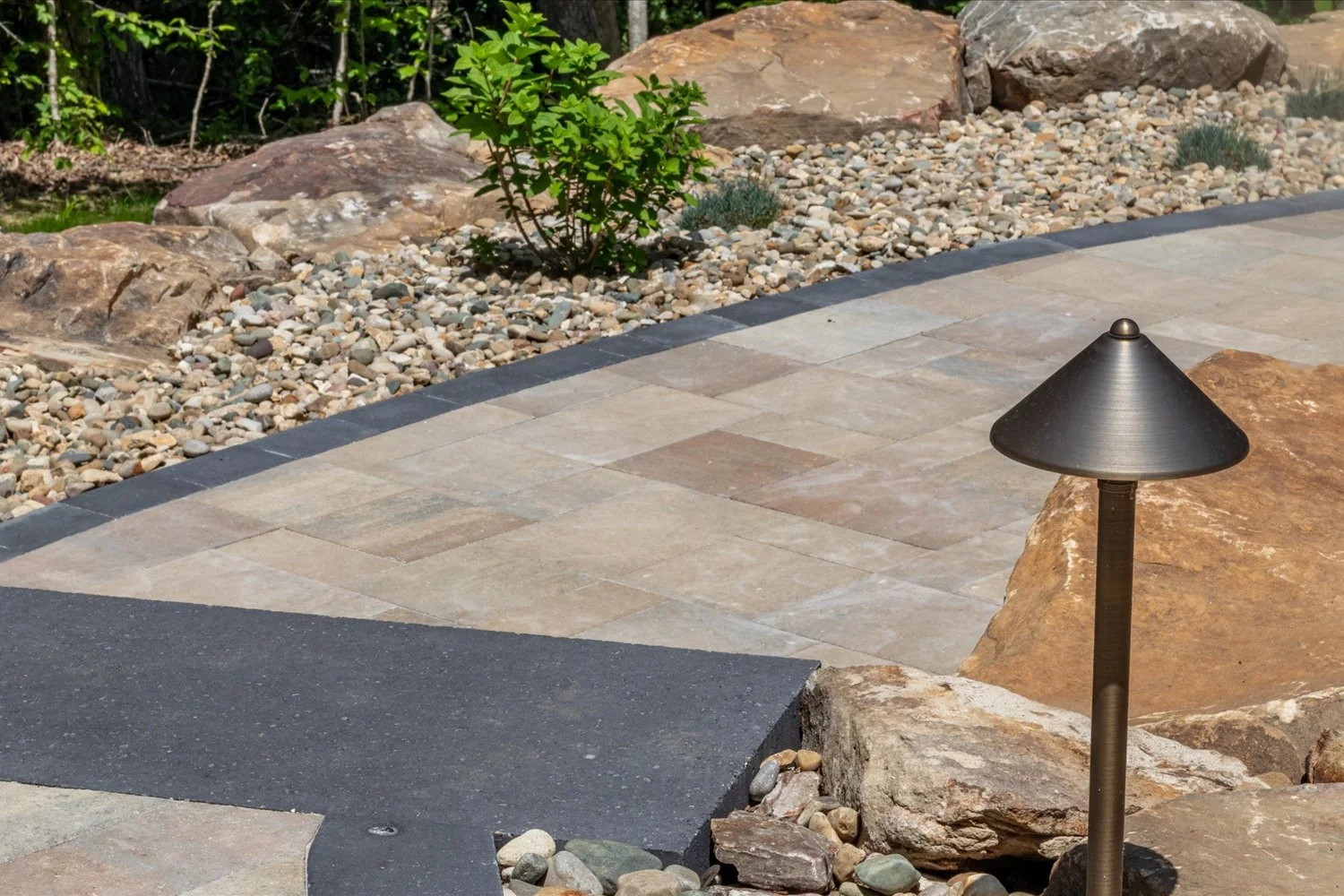
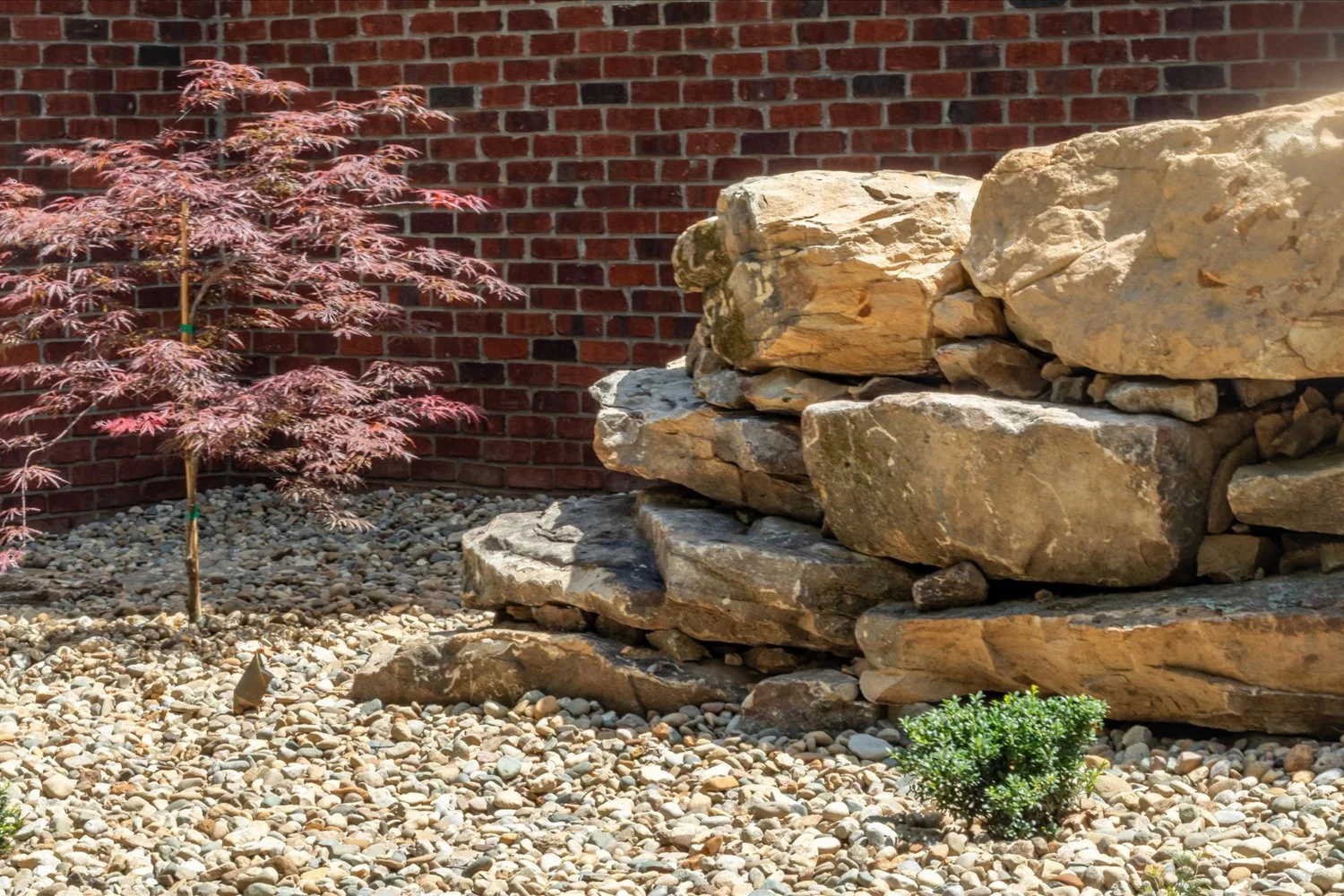
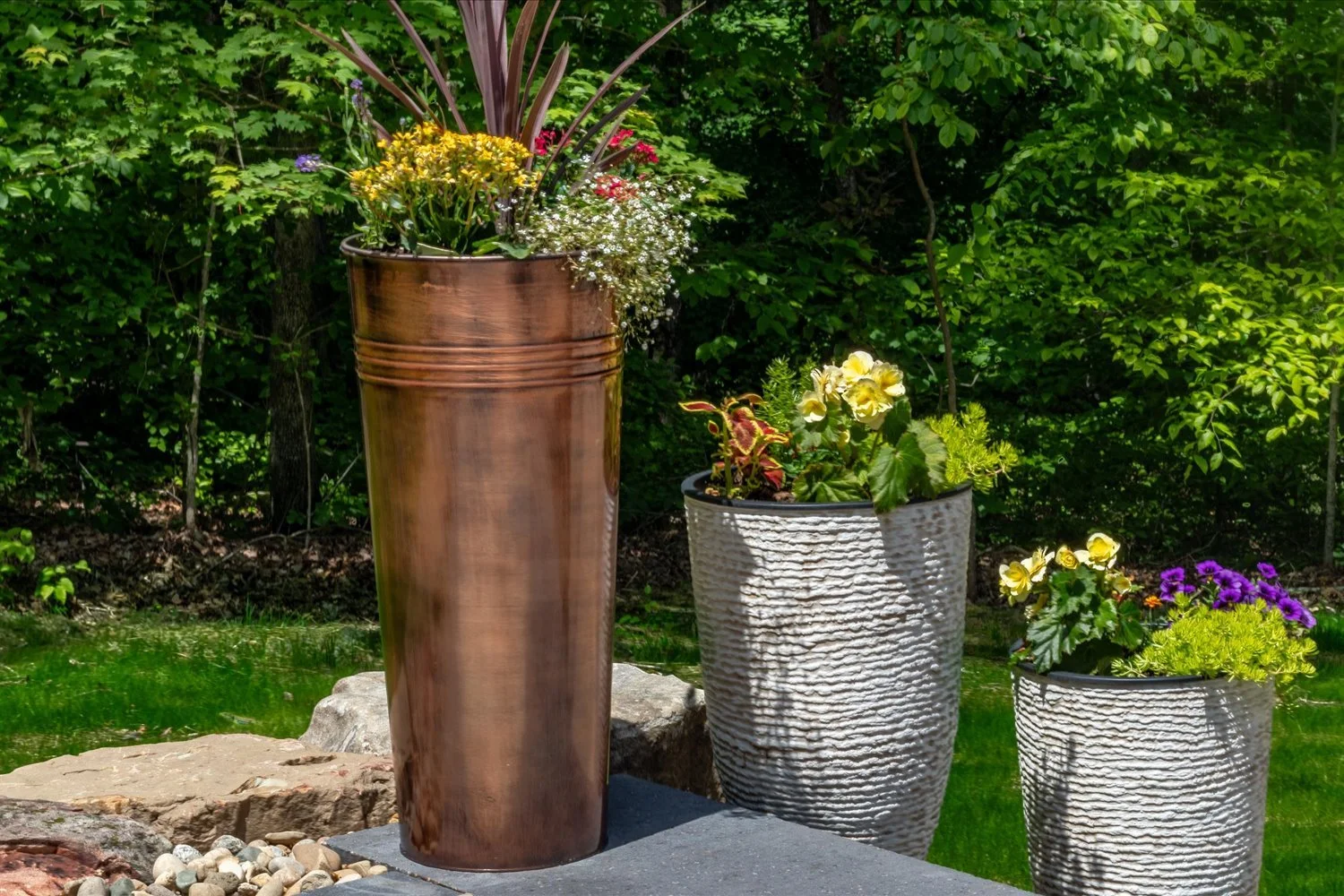
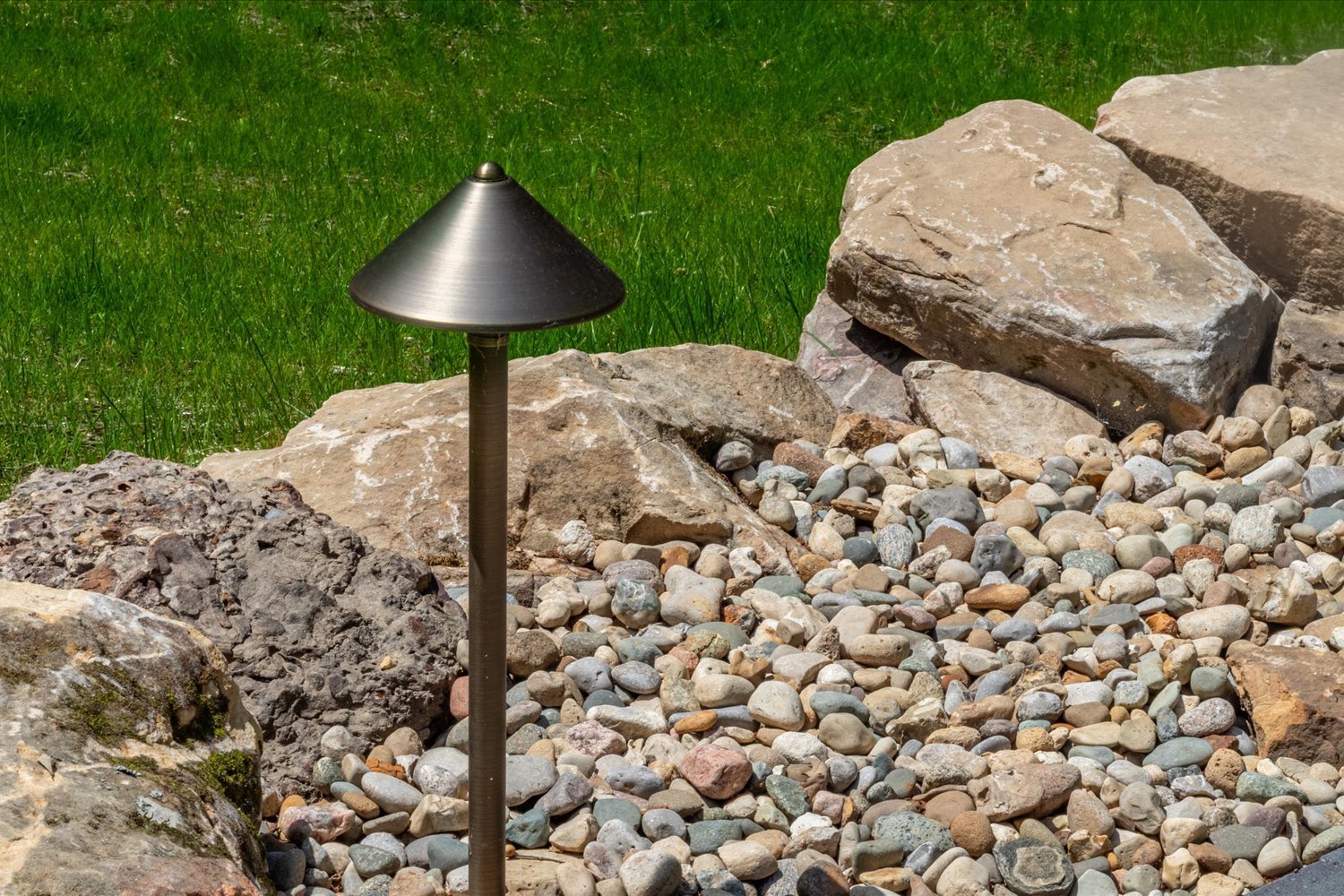
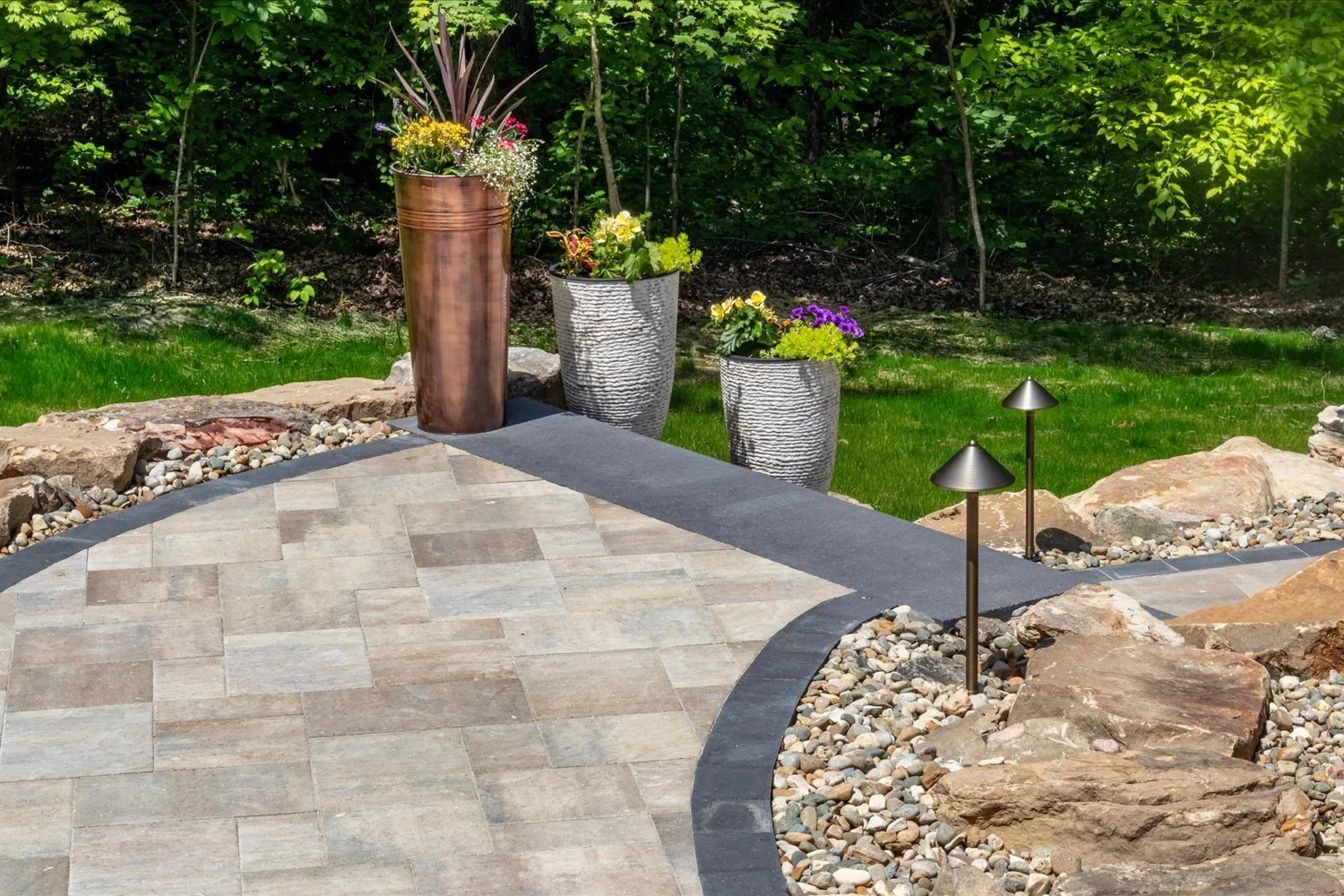
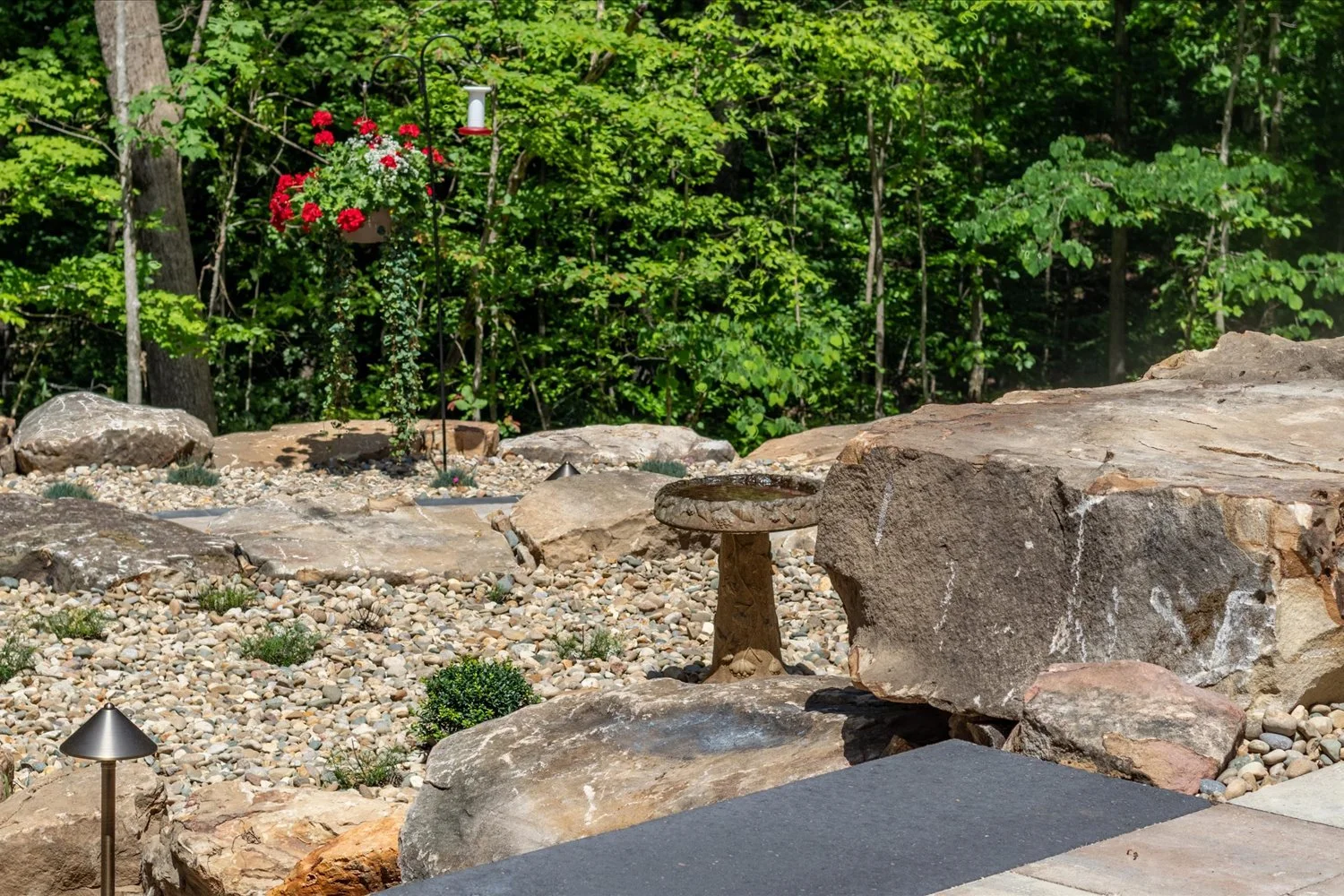
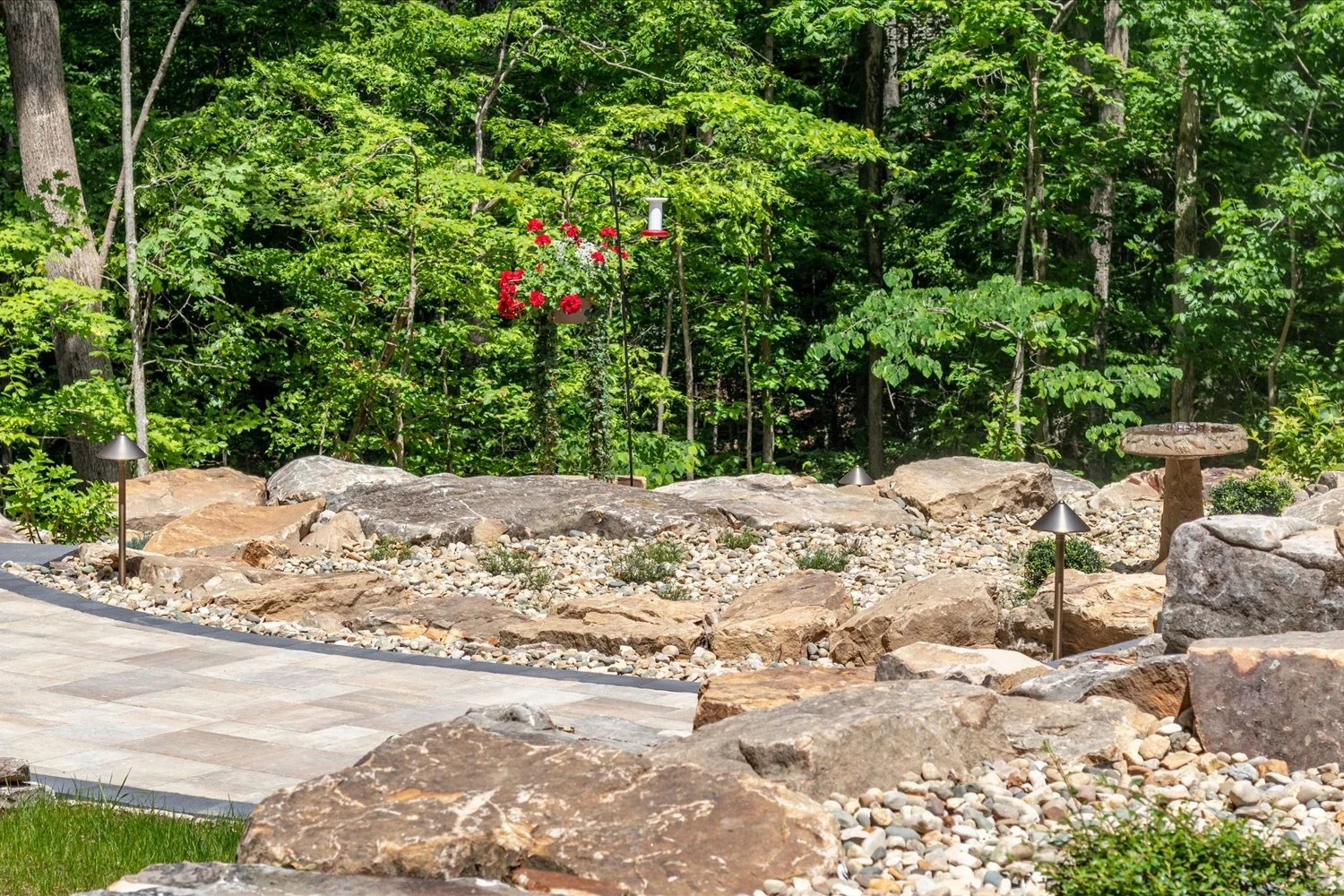
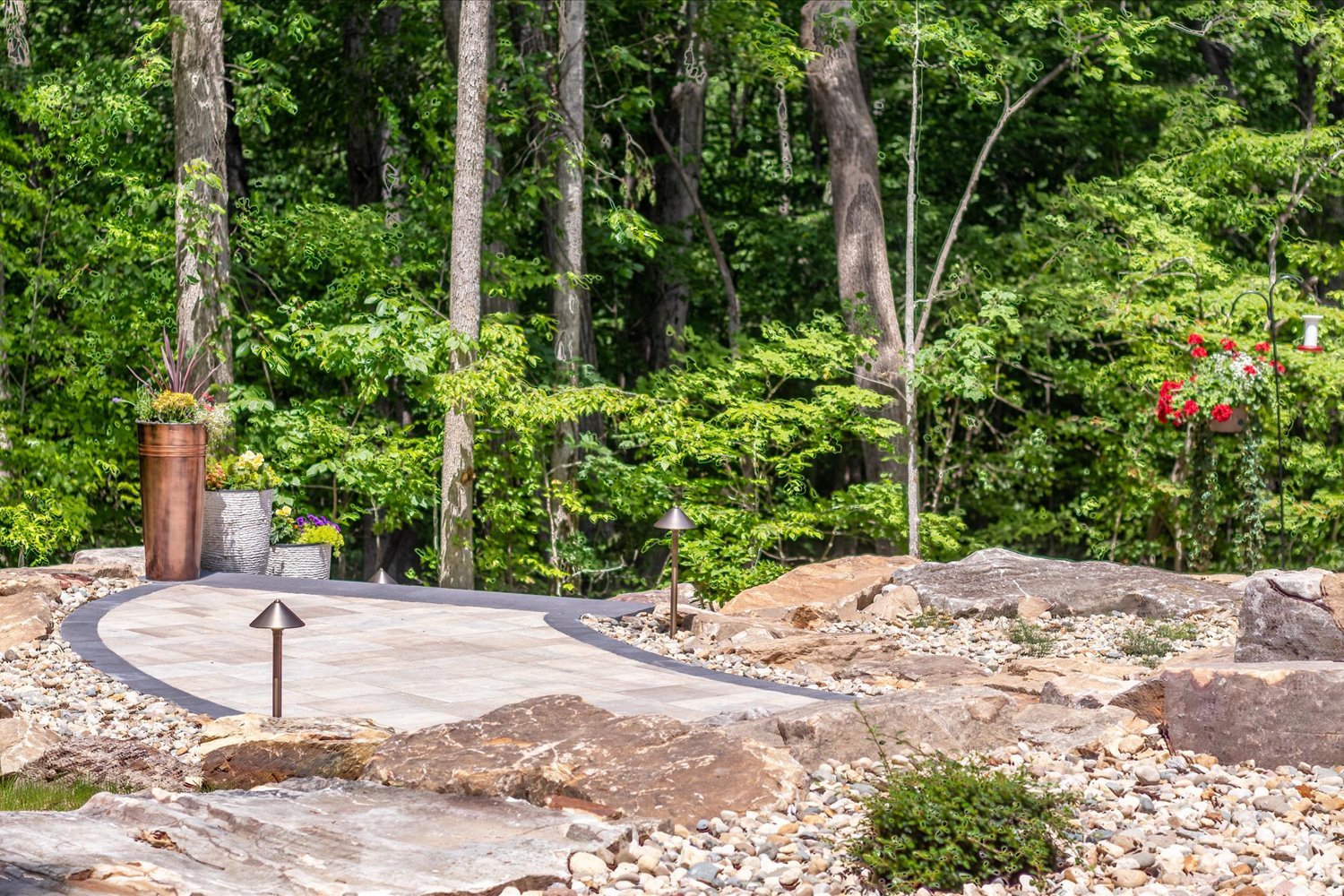
Landscaping Photography & Video Examples
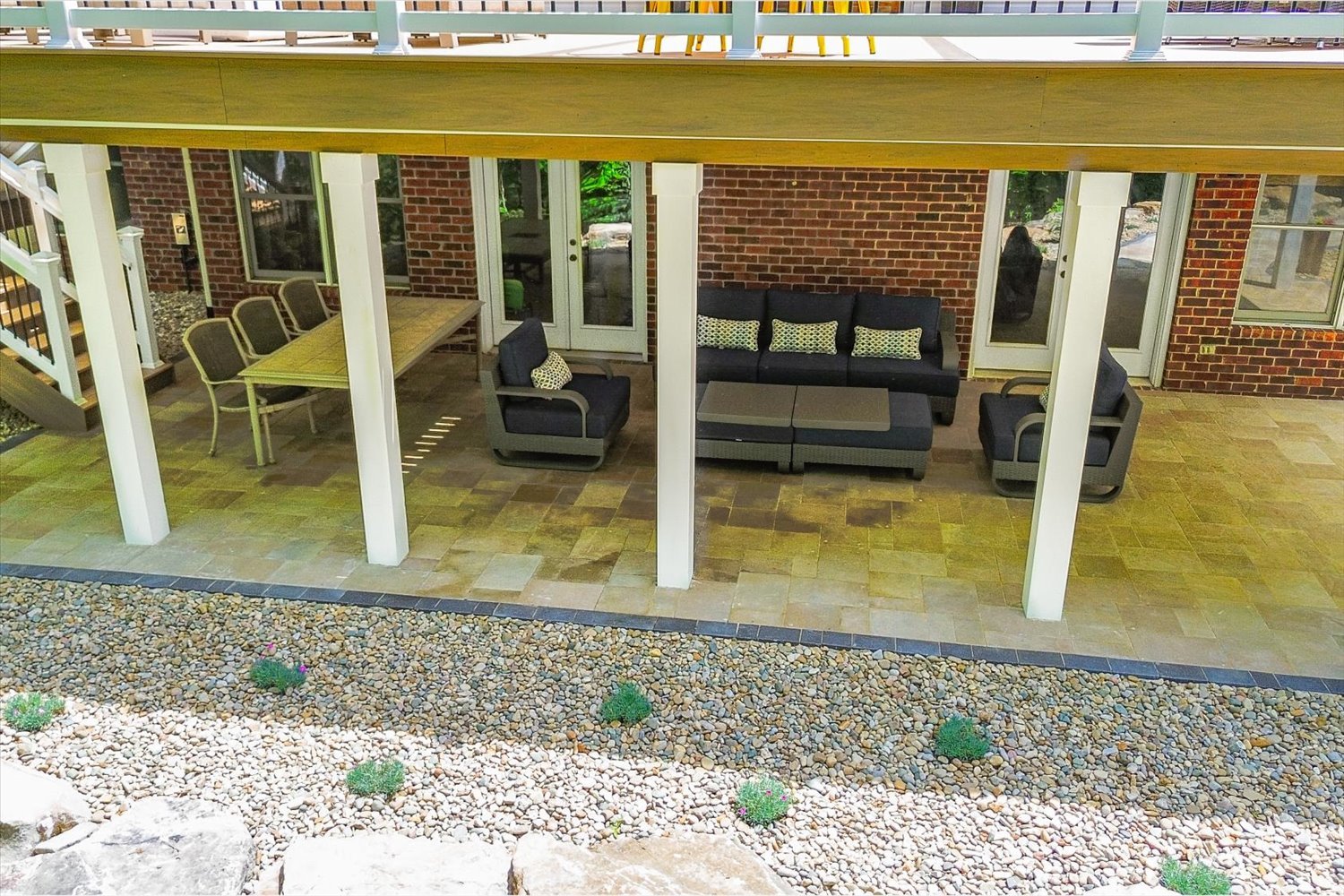
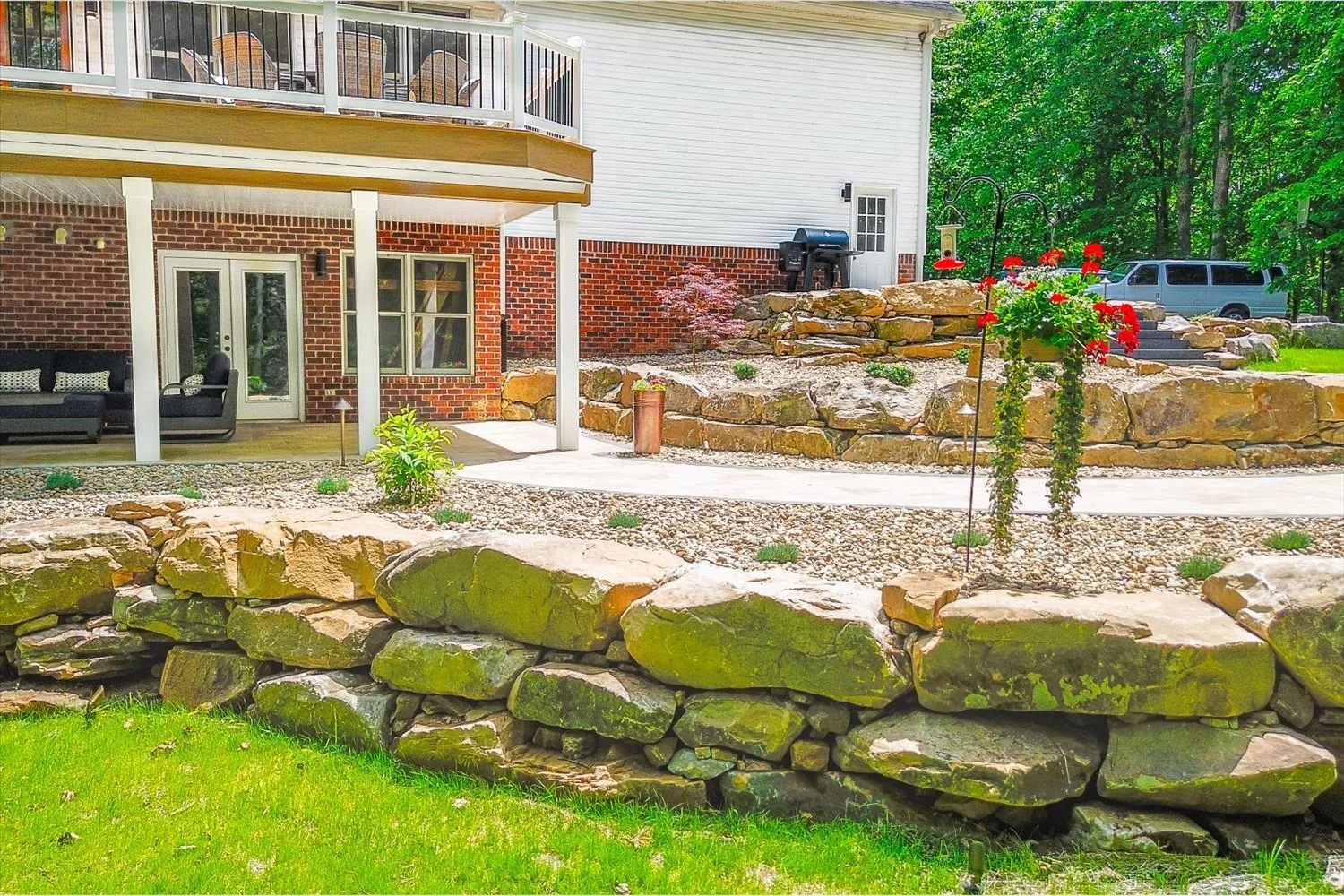
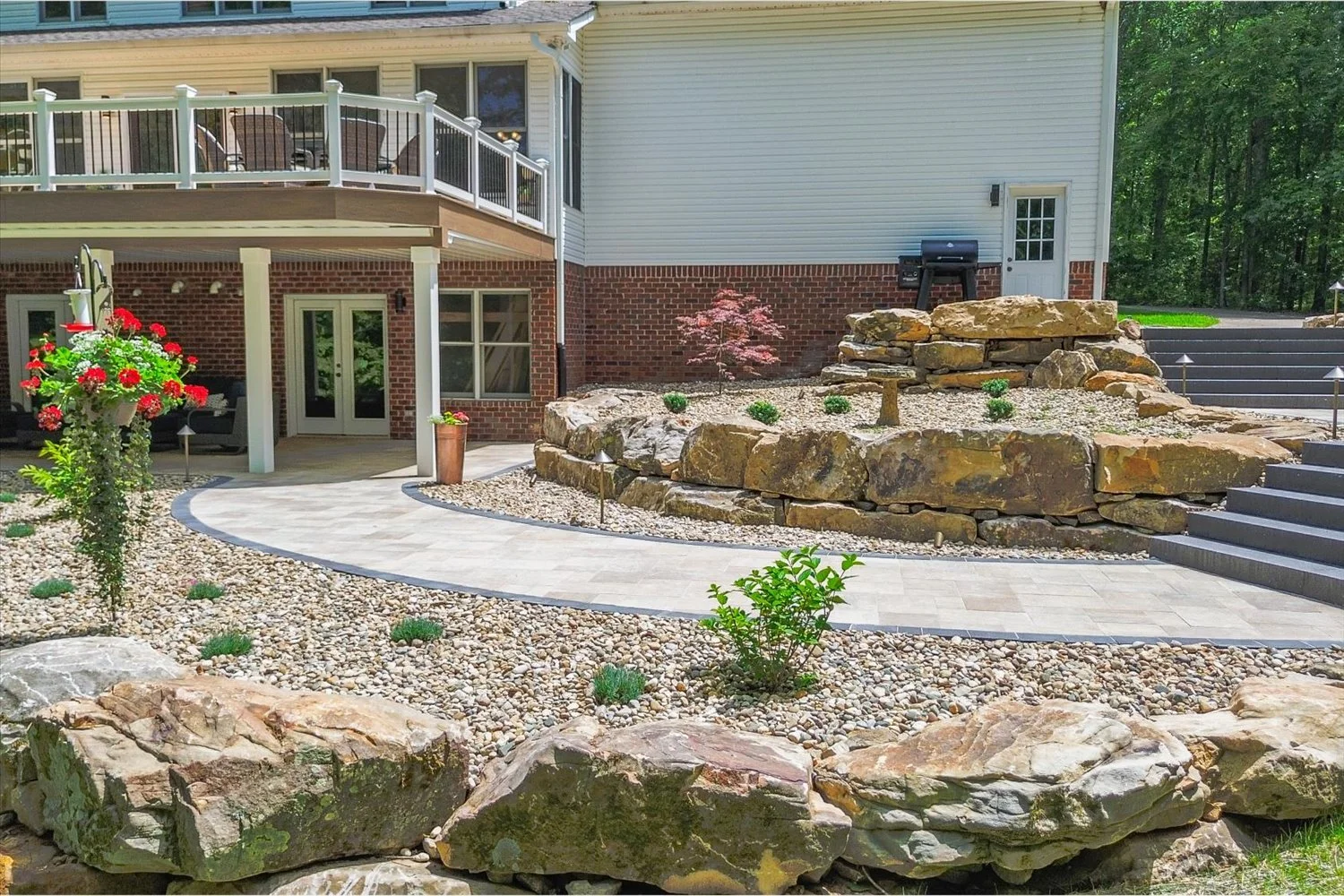
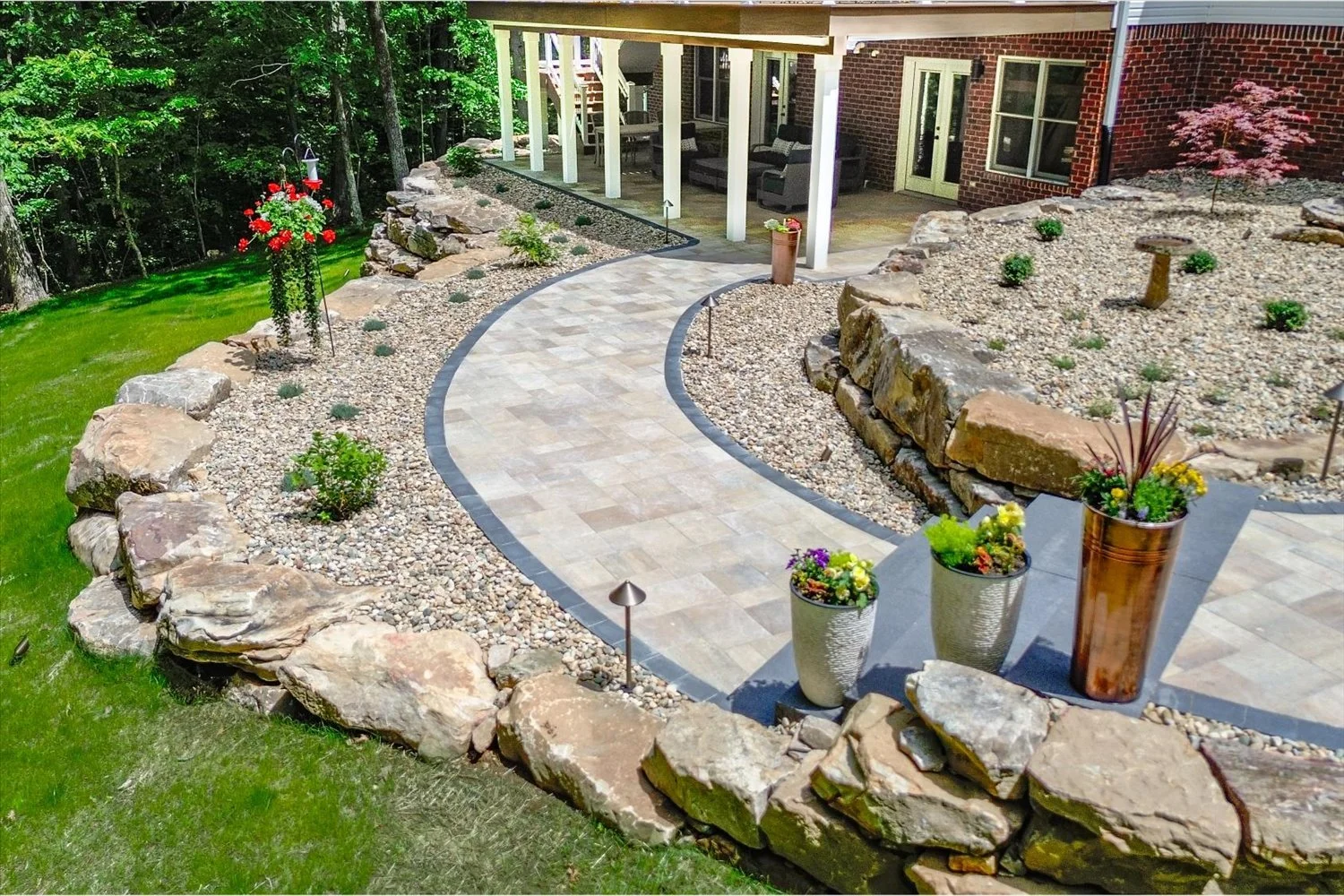
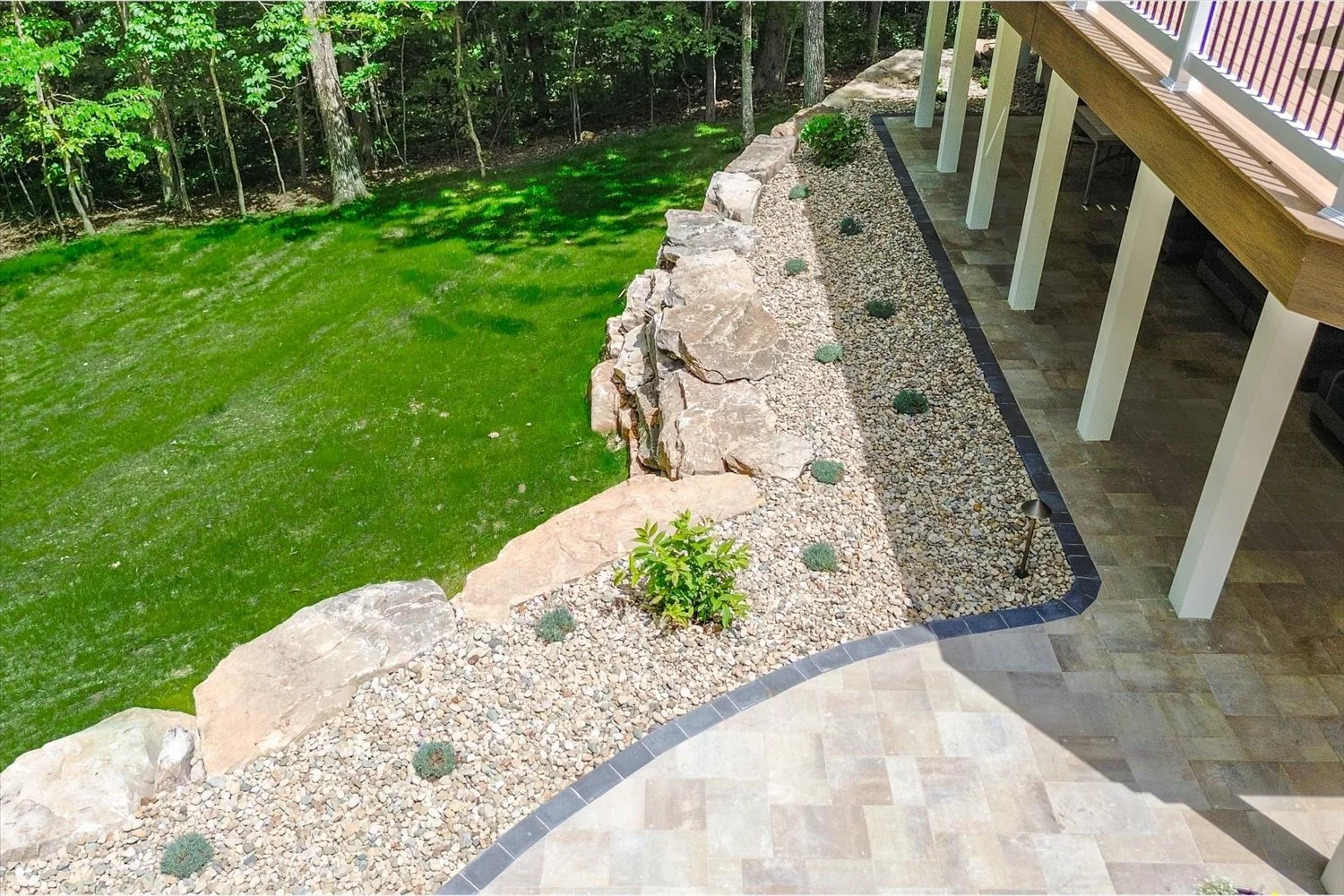
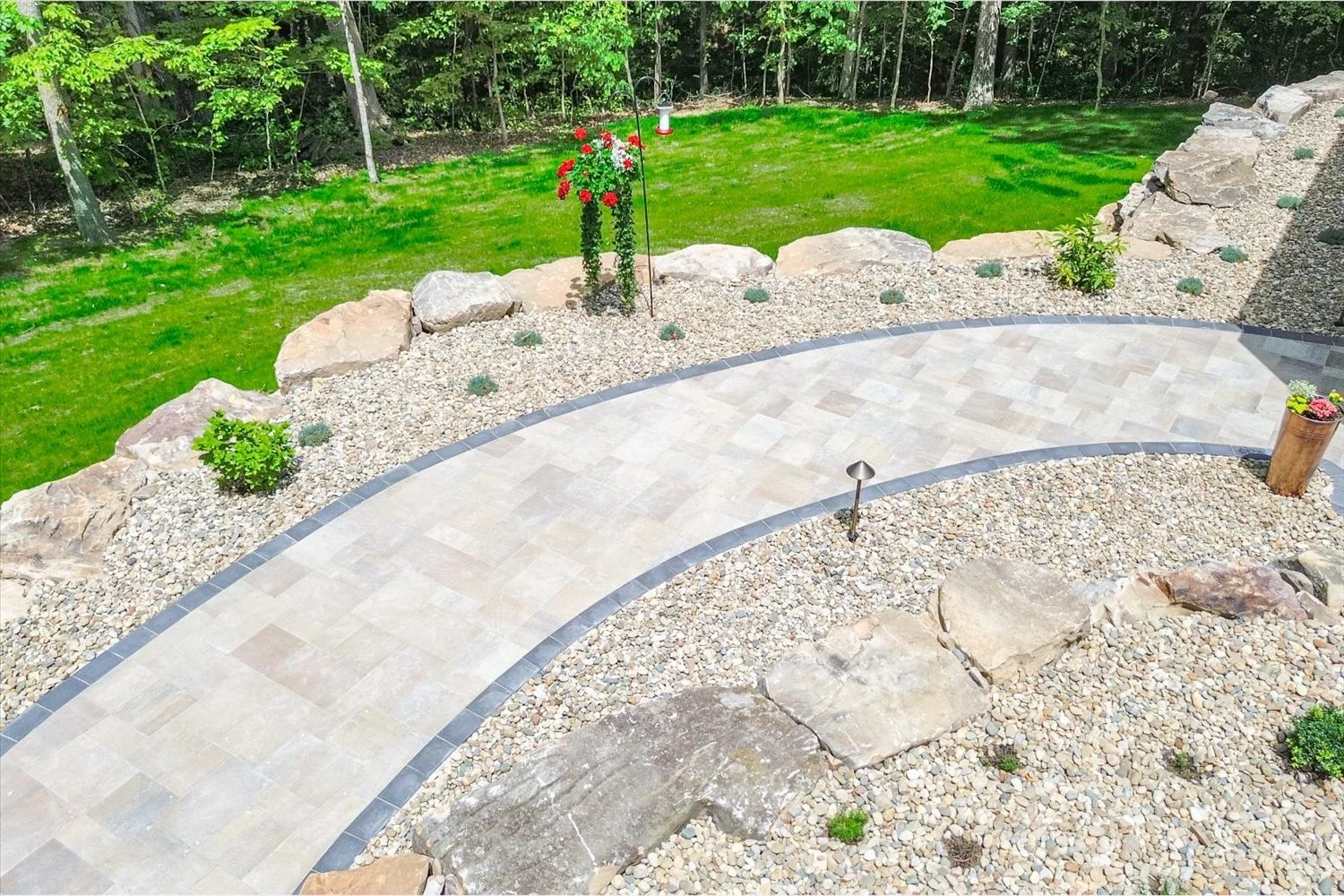
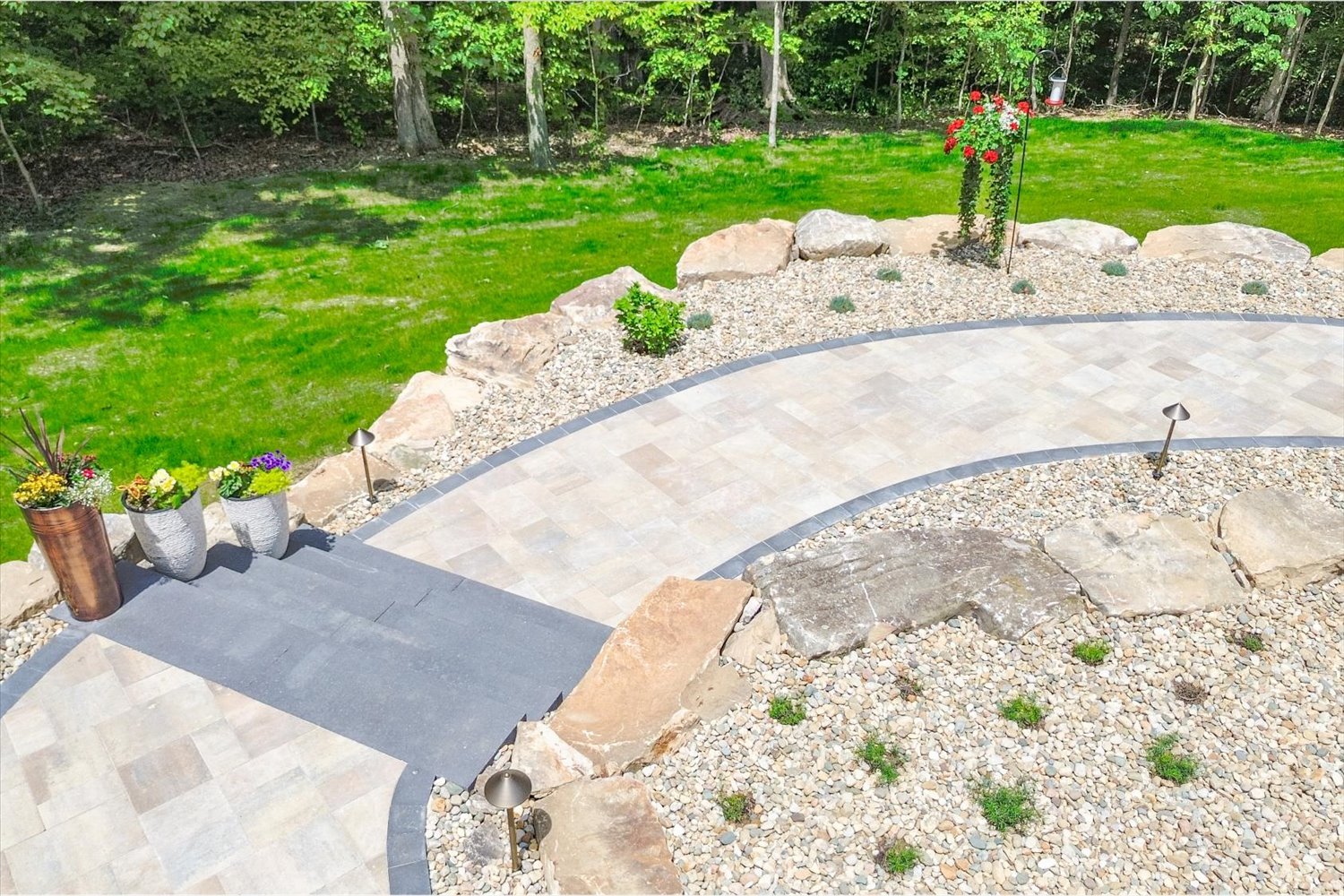
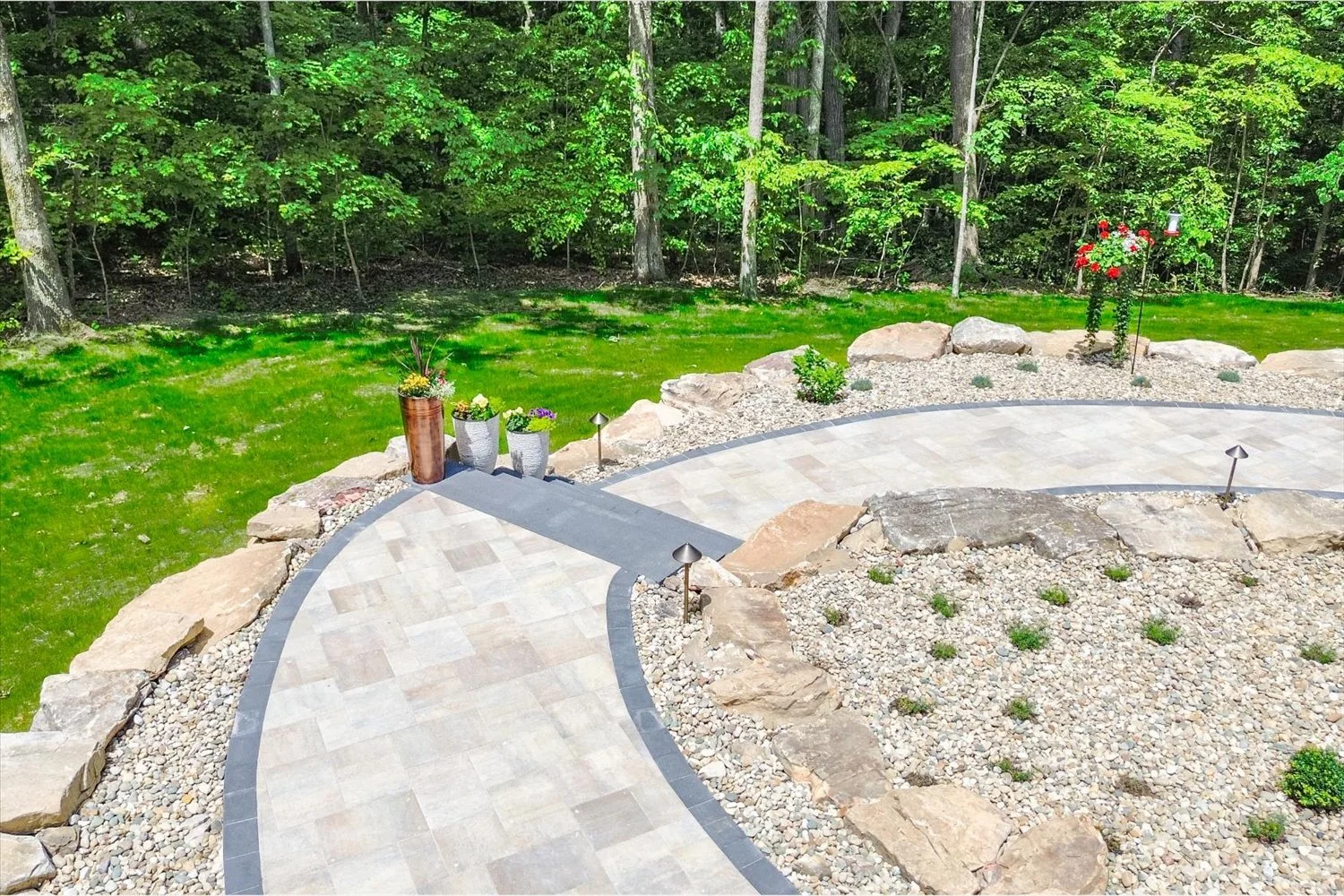
































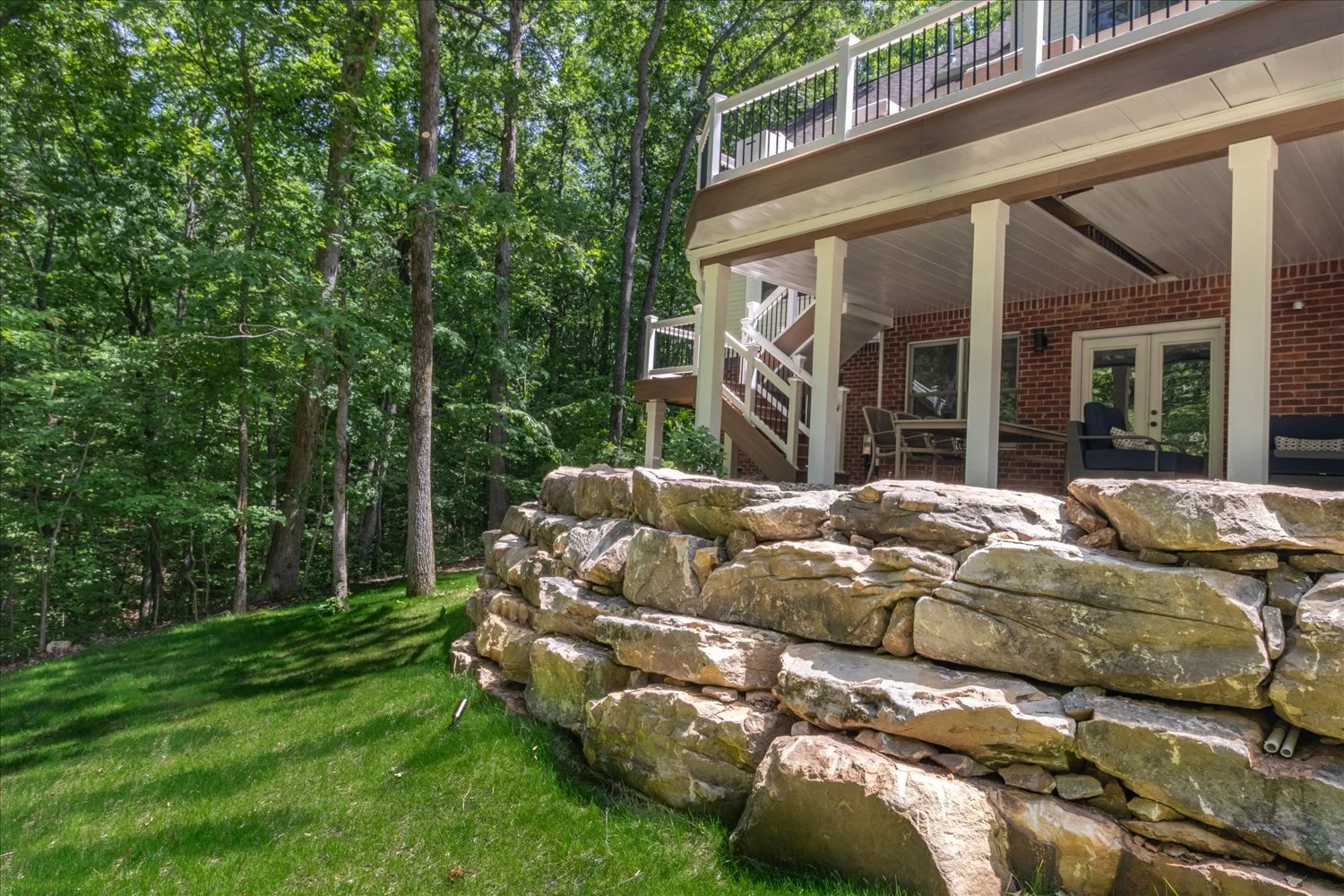
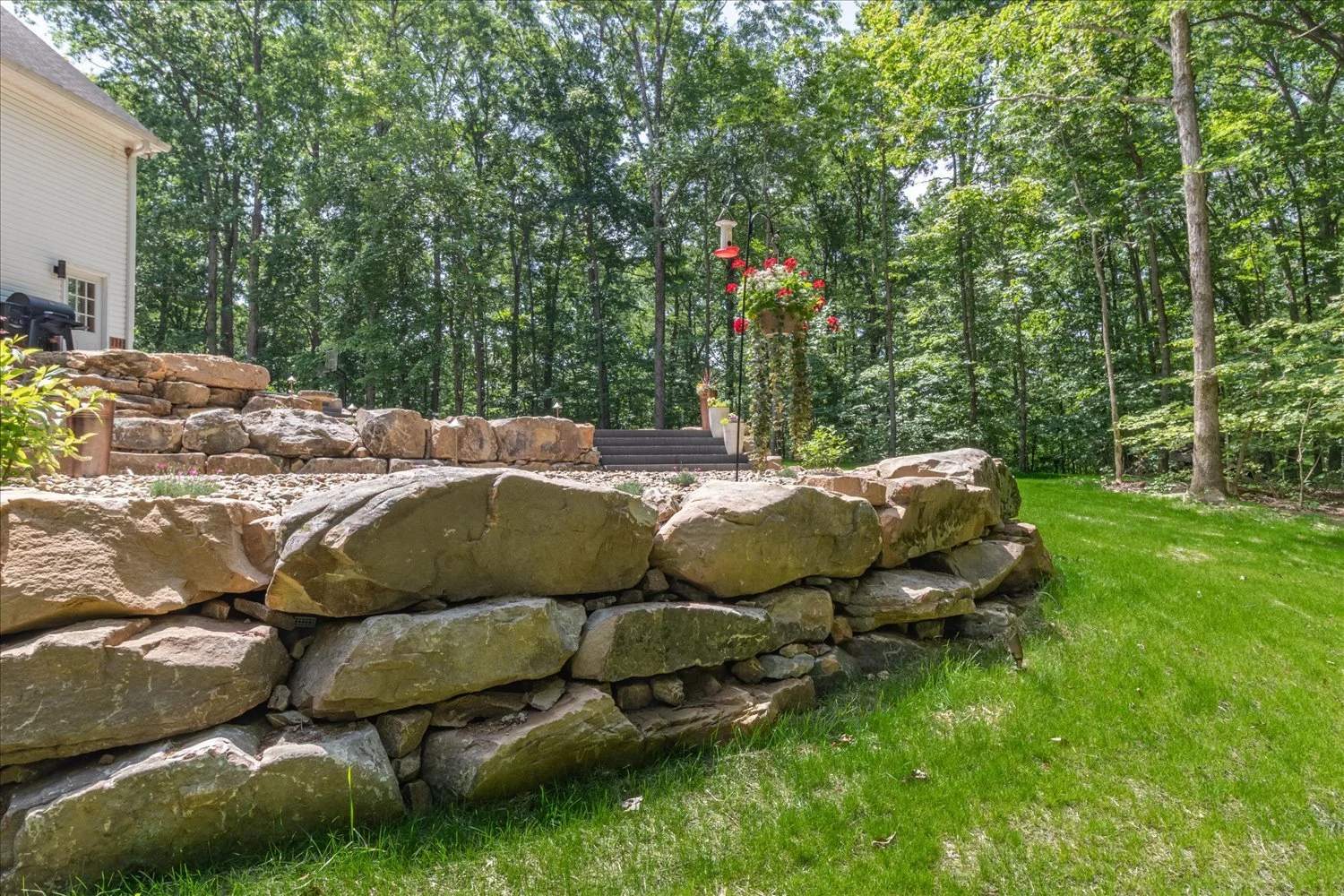
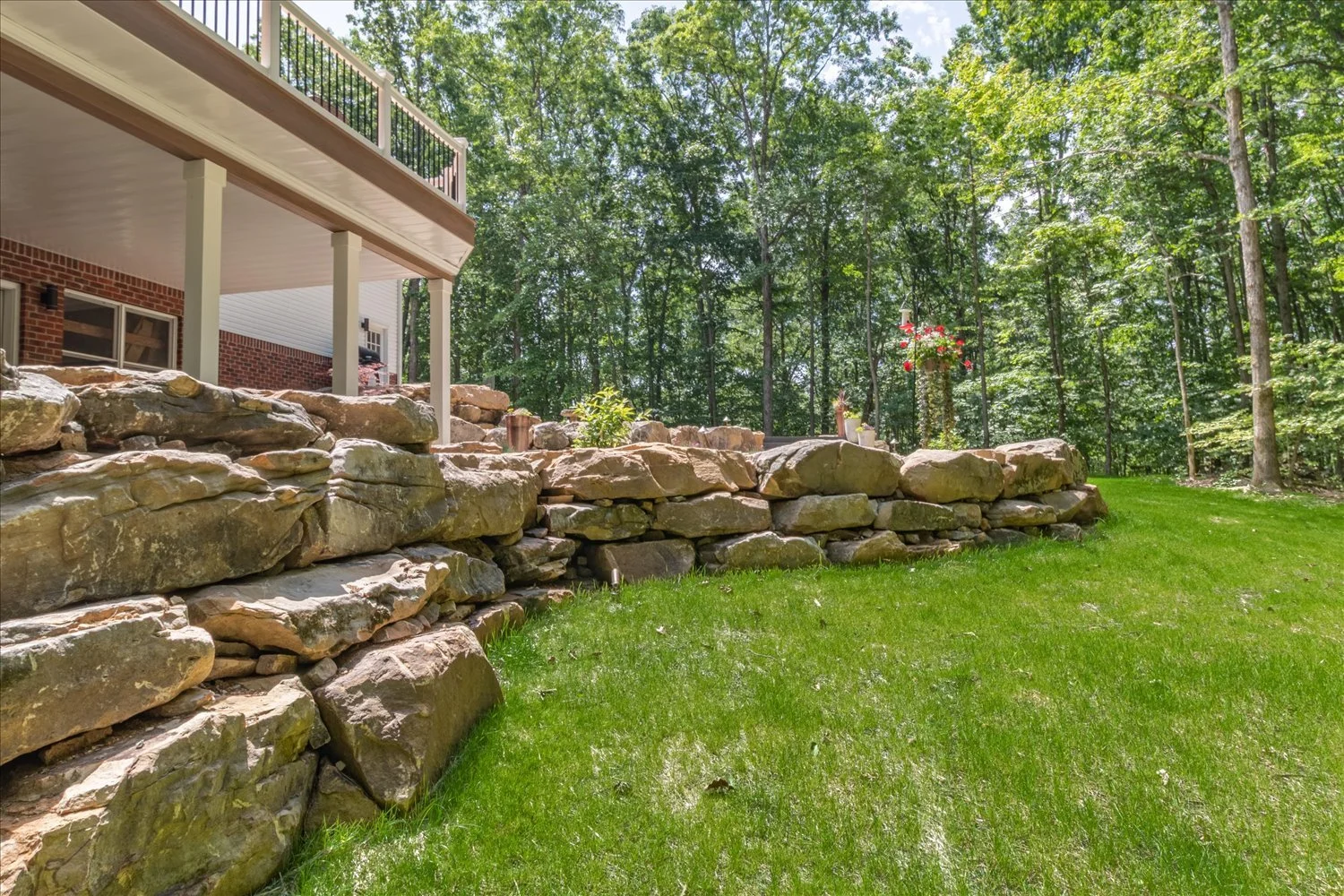
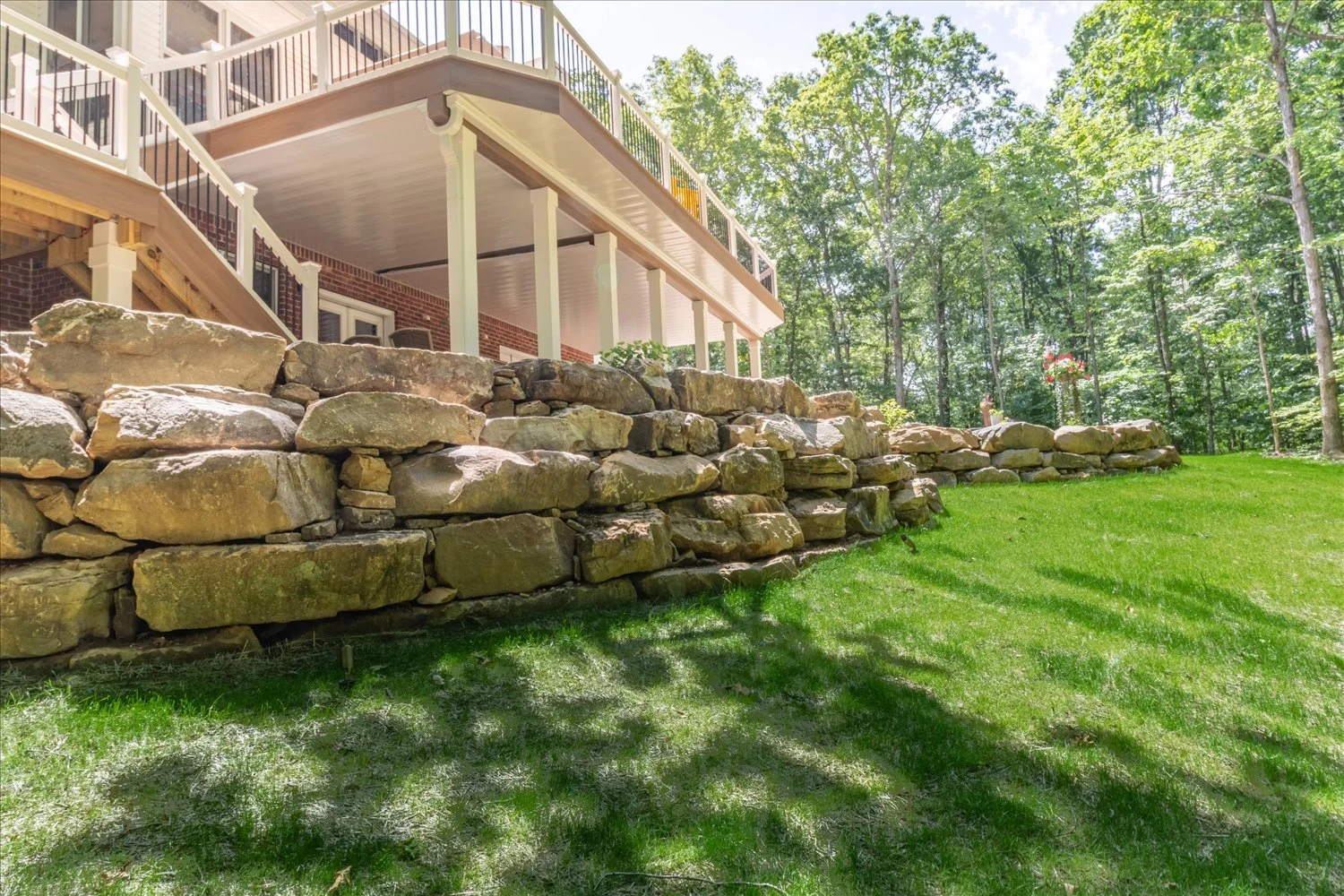

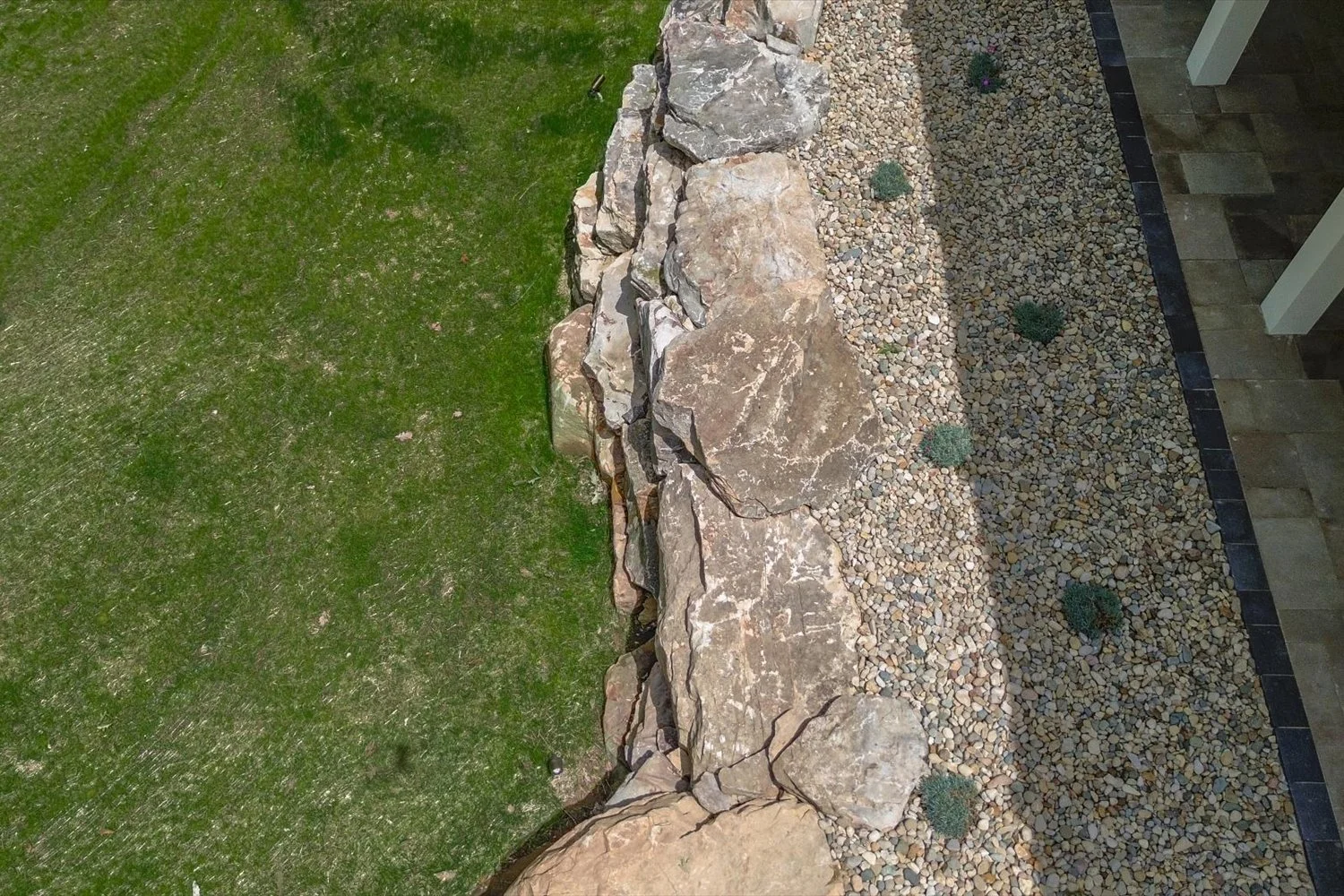
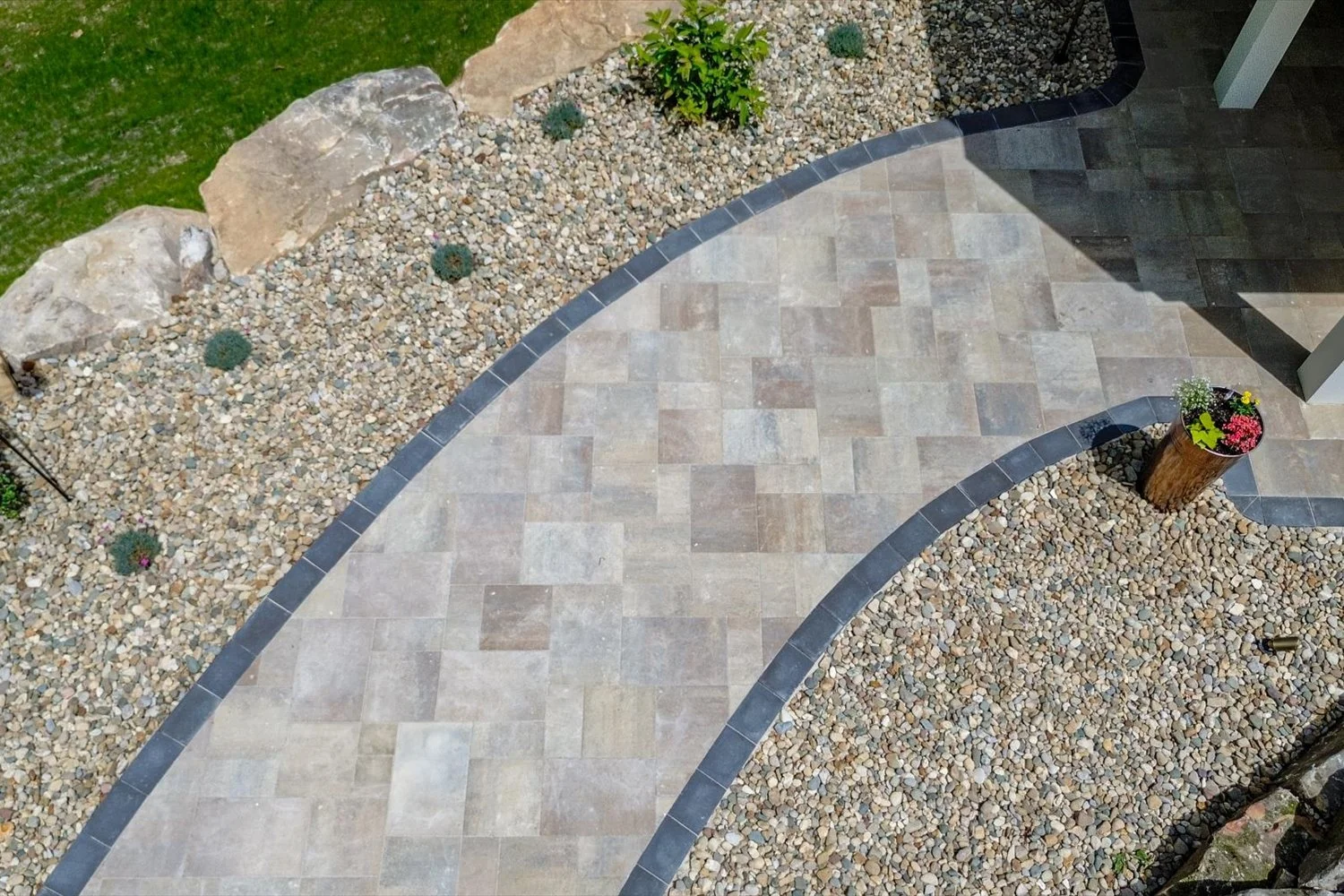
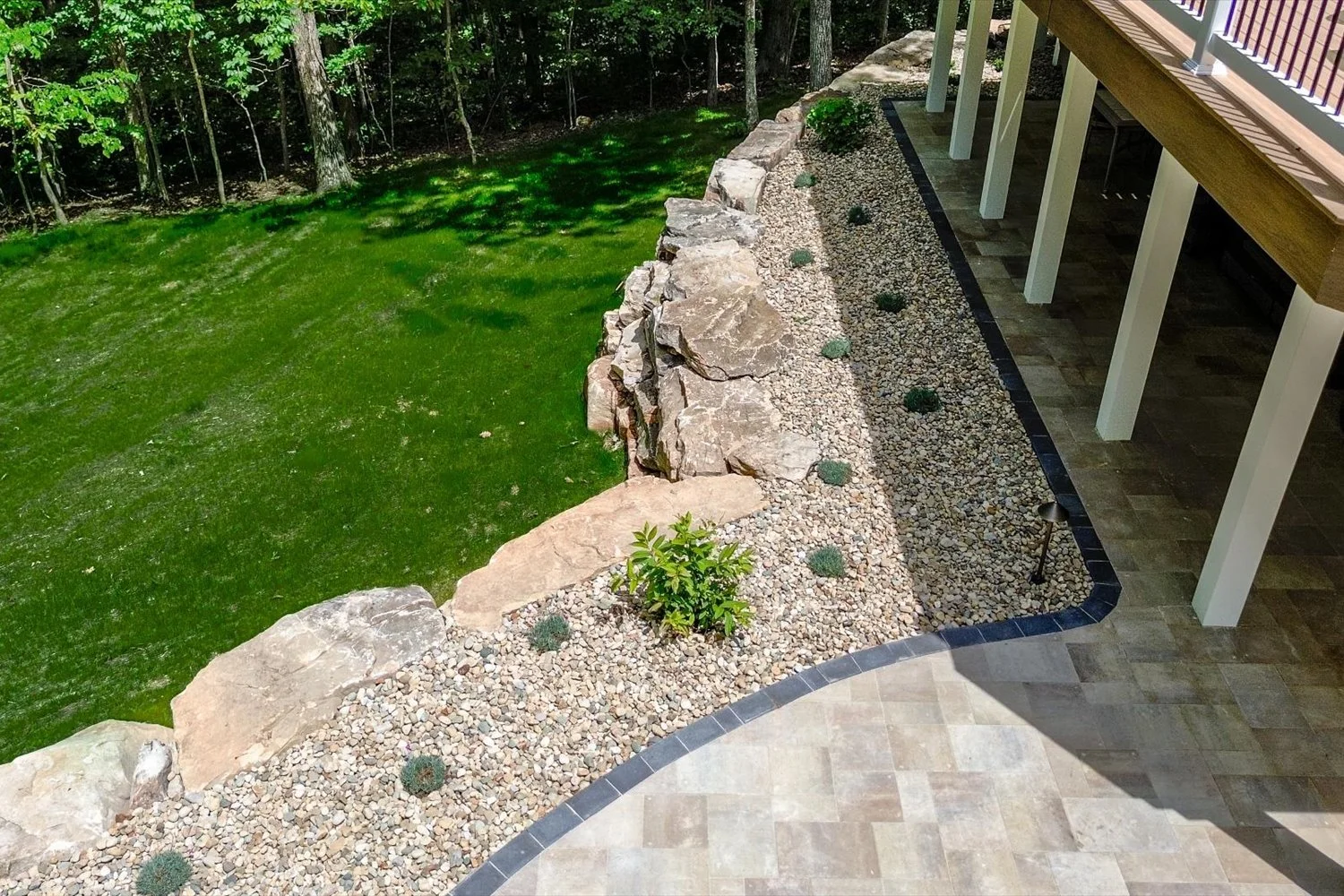
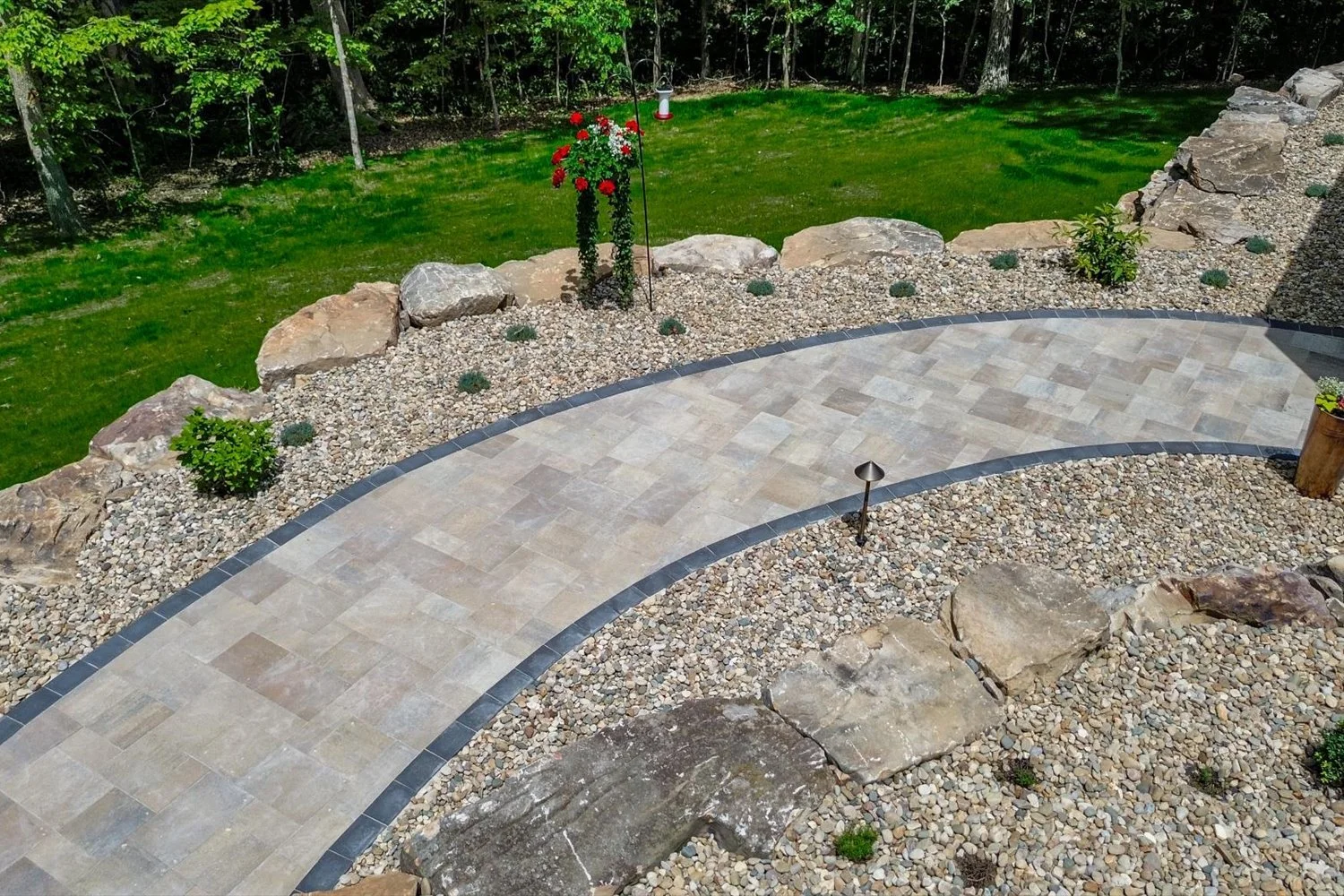
Real Estate Photographer Pro, LLC
Kenneth Purdom - Founder
615-310-7171 - kenneth@realestatephotographerpro.com
Book Online 24/7 - https://www.realestatephotographerpro.com
Professional Media Solutions:
Photos | Videos | Aerial Drone | Photo Enhancement | Editing | Virtual Staging | 360 Virtual Staging | Virtual Renovation | 2D & 3D Floor Plans | Measurements | Day To Dusk | Item Removal | Video Editing | Video Production | Architectural Visualization | Headshots | Content Creation & Management | Photography & Video Training